Smart contract monitoring limits to account for
Smart contract monitoring is not a set-and-forget task. It is a continuous surveillance loop that balances real-time alerting against the noise of blockchain activity. Without clear constraints, monitoring infrastructure quickly becomes overwhelmed by false positives, missing the actual exploits while drowning in routine transaction logs.
The primary constraint is latency versus accuracy. On-chain data is immutable, meaning once a transaction is confirmed, you cannot stop it. Monitoring tools must detect malicious patterns—such as unauthorized state changes or excessive gas consumption—within seconds of block inclusion. However, achieving this speed often requires heavy indexing, which increases infrastructure costs and creates single points of failure.
Another critical constraint is signal fidelity. Blockchains like Ethereum generate millions of events daily. A robust monitoring strategy must filter this noise to identify only high-risk anomalies. This means defining specific event signatures and log analysis parameters that align with your contract’s unique logic. Generic monitoring fails because it cannot distinguish between a legitimate user interaction and a sophisticated reentrancy attack.
Finally, consider the scope of your monitoring. Are you watching for external threats, internal bugs, or both? The New York State Comptroller’s guidelines on contract monitoring emphasize that oversight processes must be tailored to the specific risks of the agreement. Similarly, your smart contract monitoring must be tailored to the codebase. A one-size-fits-all approach leaves gaps that attackers can exploit. Focus on the specific functions and states that matter most to your protocol’s security.
Smart contract monitoring choices that change the plan
Use this section to make the The Smart Contract Monitoring Playbook decision easier to compare in real life, not just on paper. Start with the reader's actual constraint, then separate must-have requirements from details that are merely nice to have. A practical choice should survive normal use, maintenance, timing, and budget. If a recommendation only works in an ideal situation, call that out plainly and give the reader a fallback path.
| Factor | What to check | Why it matters |
|---|---|---|
| Fit | Match the option to the primary use case. | A good deal still fails if it does not fit the job. |
| Condition | Verify age, wear, and service history. | Hidden condition issues erase upfront savings. |
| Cost | Compare purchase price with likely upkeep. | The cheapest option is not always the lowest-cost option. |
Choose the next step in your monitoring strategy
Selecting a smart contract monitoring approach depends on your risk tolerance, the complexity of the contract, and the specific blockchain environment. Rather than applying a single tool across all scenarios, use this framework to match your deployment goals with the right infrastructure. Each option below represents a distinct path for verifying contract behavior and securing ongoing operations.
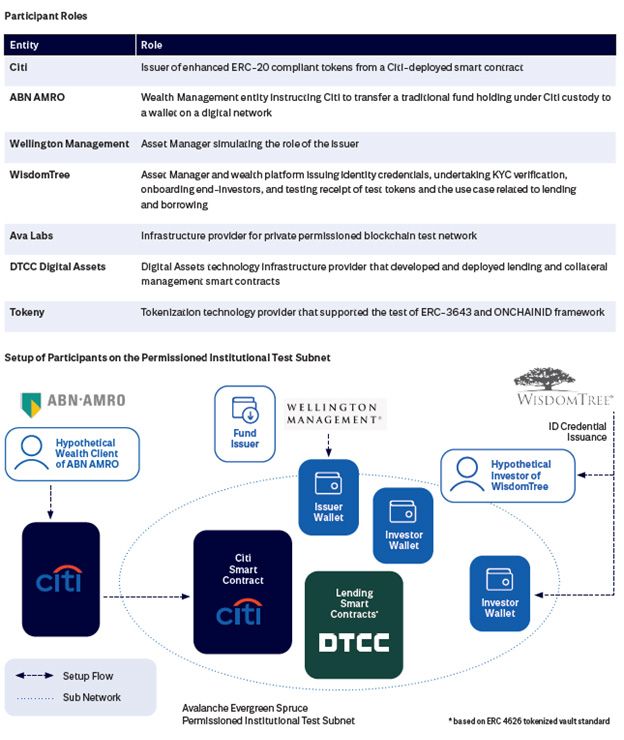
For teams building custom dashboards or real-time alerts, on-chain event listeners provide direct access to contract state changes. This method requires understanding event signatures and optimizing data redundancy to avoid excessive gas costs or missed logs. It is ideal for projects that need granular, low-latency visibility into specific function calls or balance transfers.
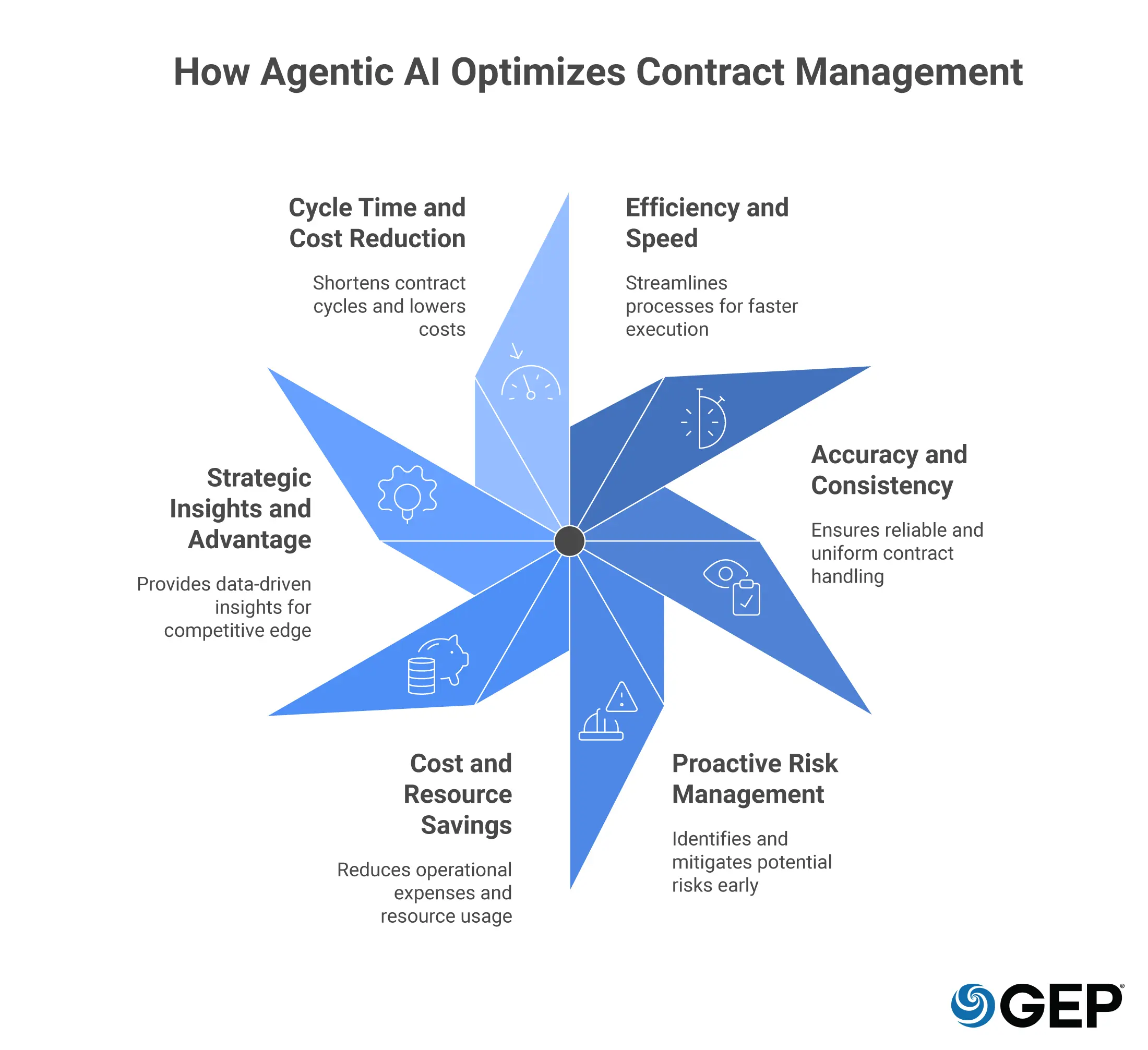
If you lack the engineering resources to maintain custom monitoring infrastructure, third-party security APIs offer a managed alternative. These services aggregate data from multiple blockchains and provide standardized endpoints for transaction history, address risk scores, and anomaly detection. This approach reduces development time but may introduce latency or data gaps depending on the provider's coverage.
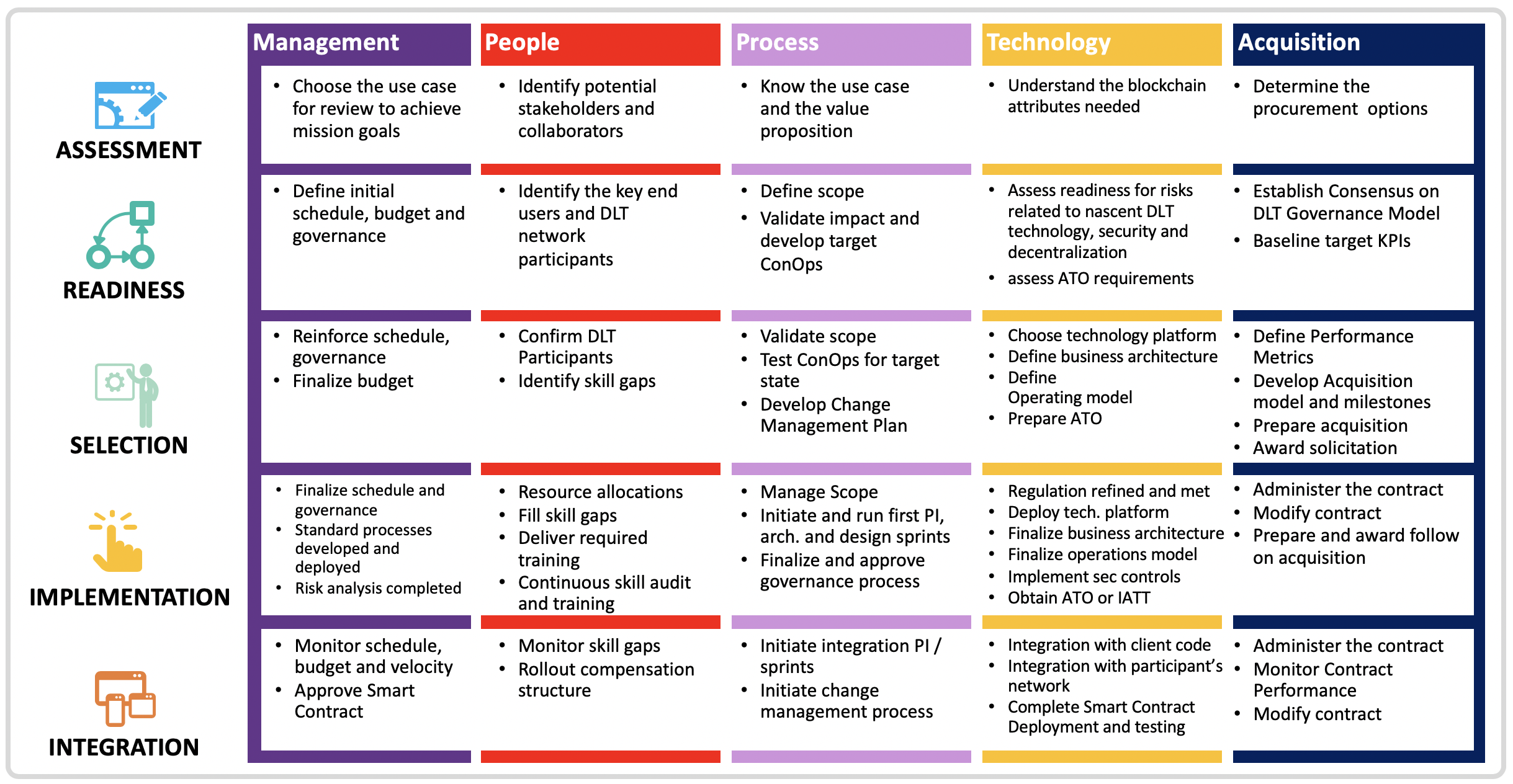
For high-value deployments or novel protocol logic, automated tools are insufficient. Manual audits by reputable firms remain the gold standard for identifying complex vulnerabilities like reentrancy or logic flaws that static analysis misses. This step is not a replacement for monitoring but a prerequisite for understanding what you are monitoring.

![Arduino USB-C Hub (8 in 1) [TPX00241] - 8-in-1 Expansion for Development Boards | HDMI, Ethernet, USB-A & USB-C Ports, SD/TF Card Readers](https://m.media-amazon.com/images/I/51CFrQcV-SL._AC_UY654_QL65_.jpg)

As an Amazon Associate, we may earn from qualifying purchases.
| Method | Cost | Complexity | Best For |
|---|---|---|---|
| On-Chain Listeners | Low (hosting) | High | Custom real-time dashboards |
| Third-Party APIs | Medium (subscription) | Low | Teams without dev resources |
| Manual Audits | High (service fee) | Medium | High-value or novel protocols |
The right choice balances immediate security needs with long-term operational costs. Start with the method that addresses your highest-risk vectors, then layer additional monitoring tools as your protocol scales.
Spot the weak options and misleading claims
Smart contract monitoring tools often promise "complete coverage," but that claim usually hides gaps in event parsing or off-chain data integration. A dashboard might show successful transaction finality while ignoring failed internal calls or reverted state changes. This creates a false sense of security. Always verify that your monitoring stack captures the full lifecycle of on-chain interactions, not just the final receipt.
Many platforms bundle basic alerts with premium "enterprise" features at a steep markup. These upsells often include redundant data sources or slow response times for critical events. Check the latency metrics closely. If a tool takes more than a few seconds to flag a high-value transfer or a known exploit signature, it is effectively useless for real-time defense. Prioritize speed and precision over feature bloat.
Finally, avoid tools that require excessive manual configuration for standard protocols. If you have to write custom parsers for every new token standard, the monitoring infrastructure is too rigid. Look for solutions that support EIP-712 signatures and common ERC standards out of the box. The best systems adapt to the blockchain's evolution without forcing you to rebuild your watchlists from scratch.
Smart contract monitoring: what to check next
Before committing resources to a monitoring infrastructure, it helps to clarify the basics and the costs involved. Smart contract monitoring is not just about watching numbers; it is about observing on-chain activity to react to events in real time.
Monitoring your smart contract activity just got easier with modern tooling, but it requires a strategic approach to avoid alert fatigue. Use official sources and primary data to validate your security posture.
No comments yet. Be the first to share your thoughts!