The limits of passive monitoring
Smart contract monitoring acts as your continuous safety net, but it is not a substitute for a thorough initial audit. While tools like Tenderly or Forta can detect anomalies in real-time, they rely on pre-defined rules and known vulnerability patterns. They cannot identify novel logic flaws or complex economic exploits that haven't been seen before. This is why a combination of automated monitoring and manual auditing remains the most effective strategy for high-stakes deployments.
Passive monitoring also struggles with context. A sudden spike in transaction volume might indicate a successful launch or a malicious attack. Without human oversight or sophisticated AI-driven analysis, distinguishing between the two can be difficult. This gap often leads to false positives, where legitimate activity triggers alerts, or false negatives, where subtle manipulations go unnoticed until it is too late.
To mitigate these risks, developers must treat monitoring as one layer in a defense-in-depth strategy. It should complement, not replace, rigorous code review and formal verification. By understanding what monitoring can and cannot do, you can build a more resilient system that catches both known and unknown threats.
Smart contract monitoring choices that change the plan
No single monitoring tool covers every risk vector. Choosing the right infrastructure requires balancing detection depth against operational cost and false positive rates. You must evaluate how each layer of your stack handles on-chain data, event parsing, and alerting latency.
Detection Depth vs. False Positives
Deep packet inspection or full state analysis catches subtle logic errors but generates significant noise. Broad signature matching is faster but misses novel attack vectors. Prioritize tools that allow granular filtering of event logs to reduce alert fatigue without sacrificing visibility into critical state changes.
Latency vs. Cost
Real-time monitoring provides immediate transaction alerts but requires expensive node infrastructure or premium API subscriptions. Batch processing reduces costs by aggregating data over time but introduces delays that may be too slow for high-value exploits. Match your latency requirements to the asset value being protected.
Coverage vs. Complexity
Comprehensive platforms offer multi-chain support and integrated analytics but introduce complex configuration overhead. Lightweight, chain-specific monitors are easier to deploy but require maintaining multiple separate systems. Assess your team’s capacity to manage infrastructure complexity against the need for unified visibility.
| Factor | High Priority | Low Priority |
|---|---|---|
| Detection Depth | Full state analysis | Signature matching only |
| Latency | Real-time alerts | Batch processing |
| Coverage | Multi-chain unified view | Single-chain specific |
Building a monitoring decision framework
Smart contract monitoring is not a single tool but a layered defense strategy. Relying on one provider leaves blind spots where exploits hide. Build your infrastructure by stacking these three layers: on-chain indexing, off-chain alerting, and manual verification.
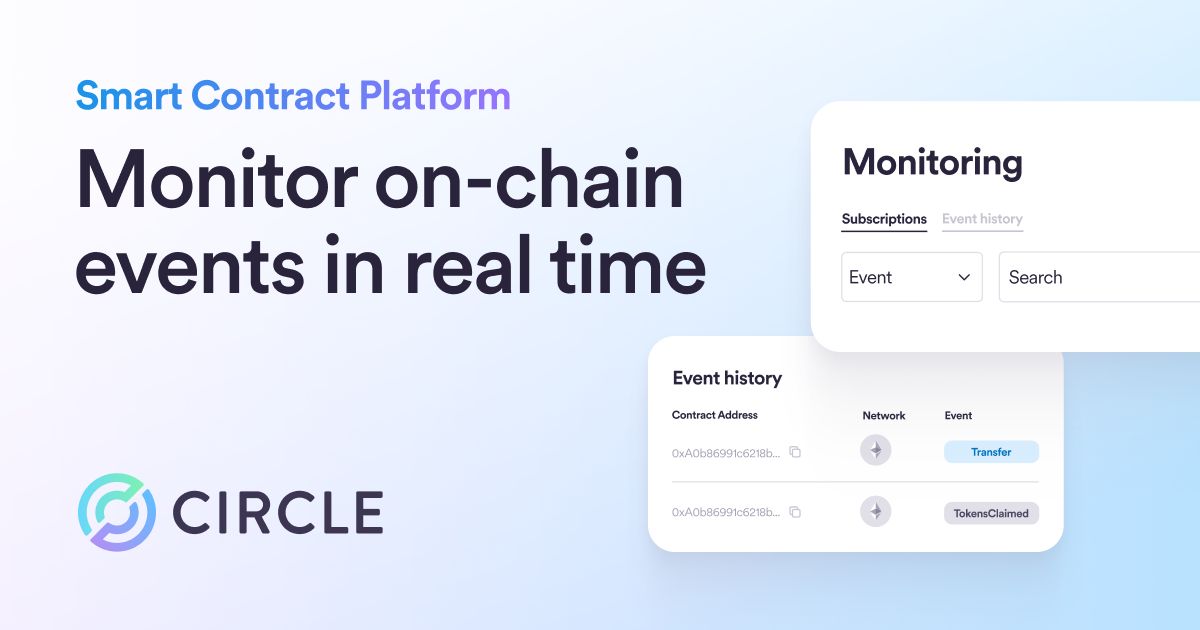
Start with an indexer like The Graph or Covalent to parse raw blockchain logs into queryable tables. This step turns opaque bytecode into readable data. You need this foundation to track token transfers, ownership changes, and function calls in real time. Without structured data, you are flying blind.
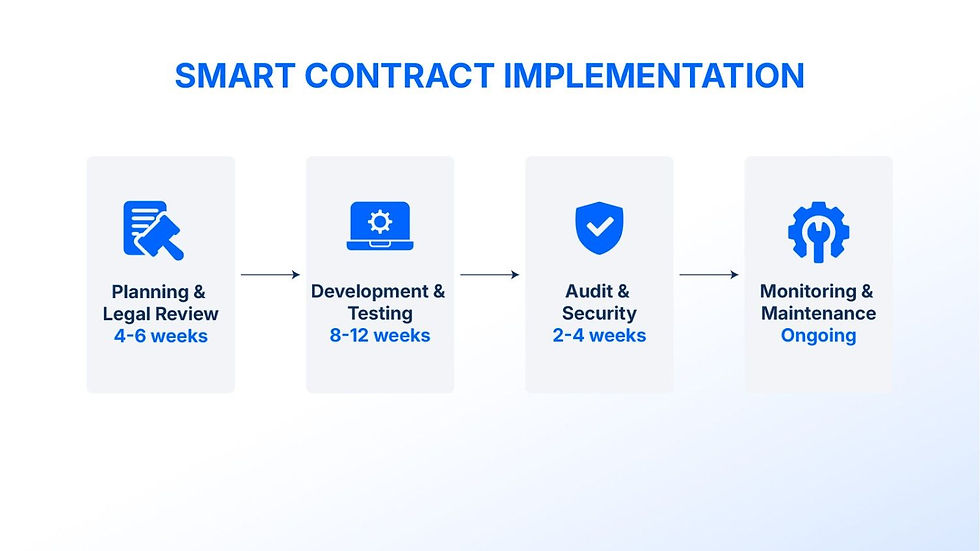
Connect your indexed data to an alerting service like Tenderly or Circle’s monitoring tools. Configure rules for high-risk actions: large withdrawals, privilege escalations, or unusual gas spikes. These tools push notifications to Slack or email the moment a trigger fires. Speed is your only defense against fast-moving exploits.

Automated tools catch known patterns, but they miss novel logic flaws. Pair your monitoring stack with regular manual audits from reputable firms. Think of automation as a smoke detector and audits as a structural engineer. You need both to ensure the building stands.


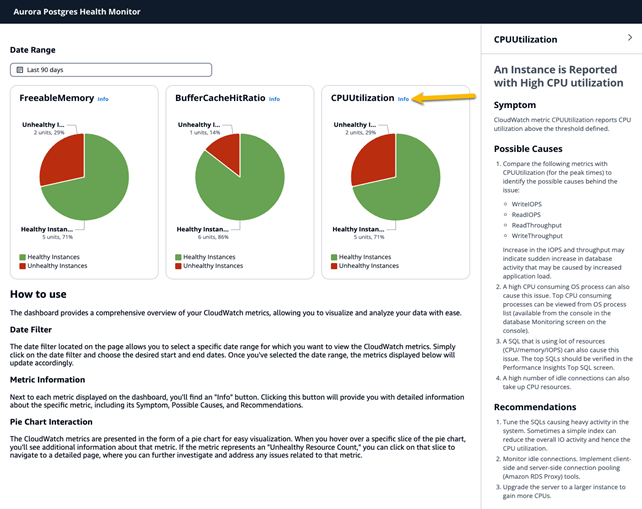
As an Amazon Associate, we may earn from qualifying purchases.
This framework balances speed with accuracy. Indexing gives you context, alerting gives you speed, and auditing gives you depth. Adjust the intensity of each layer based on your total value locked and risk tolerance.
Watch Out for Weak Monitoring Options
Not every tool that claims to secure your smart contract actually delivers. Many solutions rely on superficial checks that miss deeper logic flaws, leaving your protocol vulnerable to exploits that automated scanners simply cannot catch. You need to distinguish between active defense and passive reporting.
The False Sense of Security
Some monitoring platforms market themselves as comprehensive security suites, but they often function only as basic transaction trackers. They tell you what happened, not why it matters. If a tool doesn’t allow you to define custom anomaly detection rules or integrate directly with your node infrastructure, it’s likely offering a weak option. You’ll find yourself drowning in noise while missing the signal of a potential attack.
Manual Audits Are Not Optional
A common mistake is assuming that continuous monitoring replaces the need for a manual smart contract audit. It does not. As industry experts note, a combination of both models is the most effective way to test code and detect vulnerabilities. Monitoring catches runtime anomalies; manual audits catch design flaws. Relying on one without the other is like locking your doors but leaving the windows open.
Data Redundancy and Event Signatures
When you do choose a monitoring tool, ensure it handles Solidity event monitoring correctly. Best practices require optimizing data redundancy and understanding event signatures to avoid false positives. If your monitoring solution ignores log analysis tools or fails to index events efficiently, you’re building on shaky ground. Prioritize tools that offer granular control over data ingestion and alerting thresholds.
Smart Contract Monitoring FAQ
Can you give me an example of a smart contract?
A smart contract is simply code stored on a blockchain that executes automatically when conditions are met. A common example is a decentralized exchange (DEX) like Uniswap. When a user sends ETH to the contract’s address, the code checks the balance, calculates the exchange rate for USDC, and automatically transfers the tokens back to the user. No bank or intermediary is involved; the blockchain ensures the trade happens exactly as programmed.
Do you still need a manual smart contract audit?
Yes. While automated monitoring tools are essential for ongoing security, they cannot replace a manual audit. Automated scanners can identify known vulnerability patterns, but they often miss complex logic errors or economic exploits. A human auditor reviews the code’s intent and architecture, catching issues that algorithms overlook. The most effective security strategy combines both: manual audits before deployment and continuous automated monitoring afterward.
What are some best practices for contract monitoring?
Effective monitoring requires a structured approach to data and response. First, identify key focus areas, such as large withdrawals or unusual transaction volumes, and assign clear responsibilities for alerts. Second, centralize your data to ensure all team members access the same real-time logs. Third, conduct regular reviews to spot trends, not just immediate threats. Finally, refine your monitoring process by automating responses where possible, ensuring that risk mitigation happens faster than manual intervention allows.
How much do smart contract auditors make?
Smart contract auditors are in high demand, leading to competitive compensation. Junior auditors typically earn between $80,000 and $120,000 annually, while experienced professionals with a proven track record of finding critical vulnerabilities can command $150,000 to $250,000 or more. Senior auditors and those who work as independent contractors often earn even higher rates, especially when they specialize in high-value DeFi protocols or work on a per-audit basis.
No comments yet. Be the first to share your thoughts!