Defining the Scope of Smart Contract Monitoring
Smart contract monitoring is not a single feature but a continuous infrastructure layer. It bridges the gap between static code audits and live chain activity. A contract may be secure at deployment, but its behavior changes as user interactions, market conditions, and external oracle feeds evolve. Monitoring turns passive code into an observable system.
The core constraint is latency. Traditional block explorers update in intervals that are too slow for high-frequency exploits or front-running attacks. Effective monitoring requires direct access to node streams or specialized indexing services. This allows you to detect anomalies—such as unusual gas spikes or unexpected state changes—before they cascade into financial loss.
You must decide what to watch. Some projects monitor only critical function calls, while others track every emitted event. The latter provides full visibility but increases data costs and complexity. Start by identifying the high-value state variables and critical entry points. These are your primary signals. Everything else is noise until it becomes a threat.
Smart contract monitoring choices that change the plan
Choosing a monitoring strategy requires balancing detection speed against infrastructure complexity. No single tool captures every threat vector, so you must evaluate how each option handles latency, coverage, and operational overhead. The right approach depends on whether you prioritize real-time intervention or deep forensic analysis.
Latency vs. Cost
Real-time event monitoring provides immediate visibility into state changes, but it demands significant computational resources. Indexing every transaction log creates a heavy burden on your node infrastructure, leading to higher costs for storage and bandwidth. Conversely, batch processing or periodic snapshots reduce operational expenses but introduce delays that can leave funds vulnerable during rapid market shifts.
Coverage vs. Specificity
Broad monitoring solutions track generic patterns across multiple protocols, offering a wide net for anomaly detection. This approach is cost-effective but often generates noise, making it difficult to distinguish between legitimate user activity and actual exploits. Specialized monitors focus on specific contract functions or vulnerability signatures, providing high-fidelity alerts with fewer false positives, but they require constant updates to remain effective against new attack vectors.
Active vs. Passive Monitoring
Passive monitoring tools observe on-chain data without interacting with the blockchain, ensuring they do not alter state or incur gas fees. This method is safe and scalable for long-term historical analysis. Active monitoring, however, can trigger automated responses such as pausing contracts or freezing assets when suspicious activity is detected. While active interventions can prevent losses, they introduce smart contract risk and potential centralization concerns if the monitoring logic fails.
| Factor | Real-Time | Batch/Periodic | Active Intervention |
|---|---|---|---|
| Latency | Low (ms) | High (mins/hours) | Low (ms) |
| Infrastructure Cost | High | Low | Medium |
| Risk of False Positives | Medium | Low | High |
| Recovery Capability | Preventive | Forensic | Immediate |
How to choose the right smart contract monitoring tool
Selecting a monitoring solution requires matching your specific technical stack with the right data source. The right tool should reduce alert noise while providing the granular data needed for incident response. Avoid tools that require complex custom infrastructure if you need immediate visibility.
Check if the provider offers native SDKs for your preferred language. Look for direct access to event logs and transaction traces rather than just summary balances. Deep data access allows you to build custom alerts for complex logic failures, not just standard token transfers.
High-quality providers filter out routine on-chain noise. Test their alerting engine with your contract’s historical data to see how many alerts are actionable versus spam. A tool that floods your Slack with false alarms is worse than no tool at all.

Beyond detection, check for built-in response workflows. Can the tool trigger a pause function, revoke permissions, or send a specific transaction when a threshold is breached? Automated containment reduces the time between a detected exploit and mitigation.


As an Amazon Associate, we may earn from qualifying purchases.
The goal is to find a system that acts as an early warning radar, not just a recording device. Prioritize tools that integrate smoothly into your existing DevOps pipeline and provide clear, actionable metrics for your specific smart contract architecture.
Watch Out for Weak Monitoring Options
Smart contract monitoring often promises full visibility, but many tools leave critical blind spots. Relying on a single data source or ignoring event signature mismatches can hide vulnerabilities until it is too late. Here are three common pitfalls to avoid when selecting a monitoring strategy.
Ignoring Event Signature Mismatches
Many developers assume that monitoring Transfer events is sufficient. However, the same event name can have different signatures across contracts. If your decoder expects Transfer(address,address,uint256) but the contract emits Transfer(address,uint256), your logs will fail to parse. Always verify the exact event signature against the source code before building your parser.
Relying on Single-Chain RPCs
Using a single public RPC node for monitoring creates a single point of failure. These nodes often rate-limit requests or drop logs during high network congestion. This leads to missed alerts for critical transactions. Use a provider-backed service like Tatum or Alchemy to ensure consistent log delivery, and always implement a fallback node for redundancy.
Missing State Changes
Event logs only capture what the contract explicitly emits. They do not record internal state changes that don't trigger an event. For complex DeFi protocols, relying solely on events means you miss half the picture. Supplement event monitoring with periodic state snapshots or use tools that track storage slot changes directly from the node.
Smart Contract Monitoring FAQ
Monitoring smart contracts is not just about catching bugs; it is about ensuring the integrity of immutable code after deployment. Since you cannot modify a contract once it is live, continuous observation becomes your primary defense against exploits. Below are practical answers to common questions about monitoring infrastructure and strategies.
Why is monitoring essential after deployment?
Smart contracts are immutable by design. Once deployed, the code cannot be changed, making post-deployment monitoring critical for detecting anomalies in real-time. Unlike traditional software, you cannot simply push a patch to fix a vulnerability. Continuous monitoring allows you to identify suspicious activities, such as unusual transaction patterns or unexpected state changes, before they result in significant financial loss or exploit.
What are the key components of a monitoring stack?
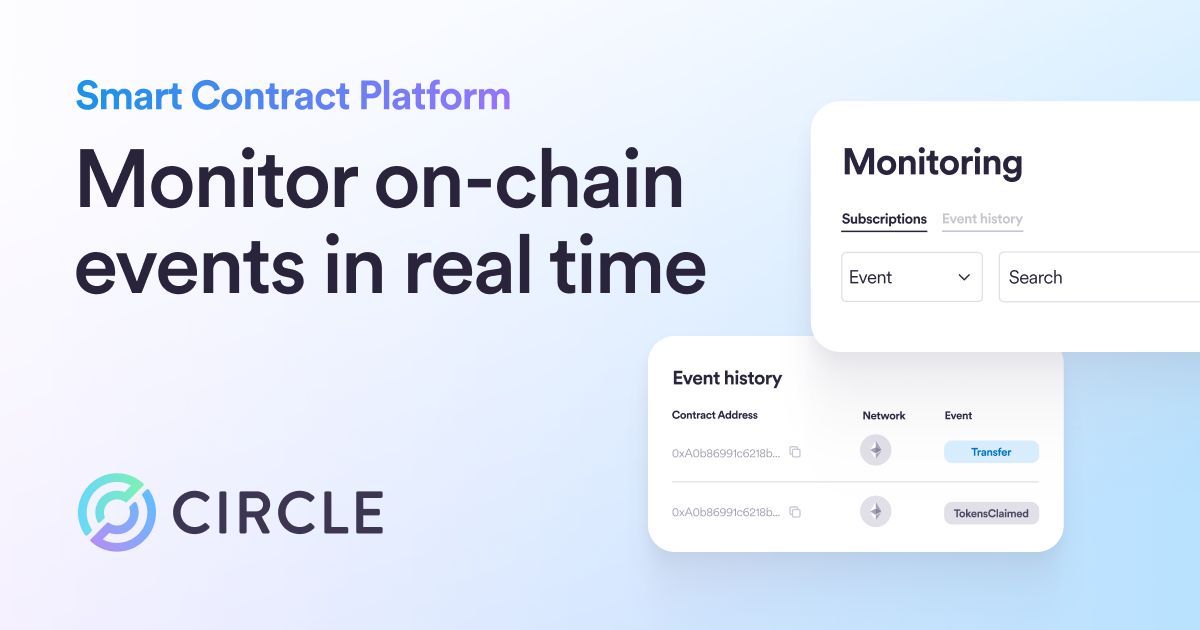
A robust monitoring stack typically combines on-chain data analysis with off-chain alerting systems. Key components include event log parsers that track specific contract interactions, anomaly detection algorithms that flag deviations from normal behavior, and alerting mechanisms that notify your team via email, SMS, or Slack. Tools like SCSFG and Circle provide frameworks for analyzing event signatures and simplifying activity monitoring, ensuring you have visibility into every transaction.
How do I handle false positives in monitoring alerts?
False positives are common in smart contract monitoring, especially during high-traffic periods. To mitigate this, refine your alert thresholds based on historical data and implement a tiered alerting system. Start with low-severity alerts for minor deviations and reserve high-severity alerts for critical anomalies. Regularly review and adjust your monitoring rules to reduce noise, ensuring your team responds only to genuine threats rather than routine network fluctuations.
What tools are best for real-time smart contract monitoring?
The best tools depend on your specific needs, but popular options include SCSFG for event monitoring, Circle for simplified activity tracking, and various blockchain explorers for manual verification. For comprehensive security, consider integrating tools that offer runtime verification and continuous security audits. These tools help detect and respond promptly to suspicious activities, providing a layer of protection that complements pre-deployment testing and formal verification.
No comments yet. Be the first to share your thoughts!