Why monitoring matters now
Smart contract security is no longer a one-time checkbox. For years, teams relied on static audits to certify code safety before launch. That approach left a dangerous blind spot: the period after deployment. As blockchain activity scales and AI-driven agents begin interacting directly with on-chain protocols, the attack surface has expanded far beyond simple transaction exploits. Passive audits can verify logic at a snapshot in time, but they cannot stop a live exploit in progress.
Continuous smart contract monitoring has become the new standard for security in this AI-agent era. Tools like Blockaid and OpenZeppelin now provide real-time transaction simulation, checking every interaction against known exploit patterns before a transaction is signed. This shift moves security from a retrospective review to an active, preventative layer. Without this ongoing vigilance, even the most rigorously audited contract remains vulnerable to novel attack vectors discovered after launch.
The stakes are high. A single unchecked vulnerability can drain funds and erode user trust instantly. Monitoring ensures that anomalies are detected and blocked immediately, rather than investigated days later. It is the difference between a controlled incident and a catastrophic loss.
The Technical Backbone of Smart Contract Monitoring
You cannot monitor what you cannot see. Real-time smart contract monitoring relies on a three-part infrastructure: the events the contract emits, the nodes that relay them, and the indexers that make sense of the data. If any link in this chain breaks, your security posture goes blind.
Event Logs: The Contract’s Voice
Smart contracts do not have a "status" field you can simply poll. Instead, they speak through event logs. When a function executes—like a token transfer or a state change—the contract emits an event. These logs are stored on-chain and are the only reliable source of truth for what happened.
OpenZeppelin and other standard libraries emphasize that events are cheap to emit but expensive to store if not optimized. For monitoring, you need to listen for specific event signatures. Think of these logs as the contract’s heartbeat. If the heart stops beating (no new logs) or beats irregularly (unexpected parameters), you have a problem.
RPC Nodes: The Relay Station
Event logs sit in the blockchain’s memory, but your monitoring software needs a way to fetch them. This is where RPC (Remote Procedure Call) nodes come in. An RPC node is a server that allows your application to query the blockchain state and subscribe to new events.
For high-stakes monitoring, you cannot rely on public, free endpoints. They are often rate-limited, slow, or unreliable. You need dedicated, high-availability RPC providers (like Alchemy, Infura, or QuickNode) that offer WebSocket support. WebSockets allow you to subscribe to real-time events rather than constantly polling, which reduces latency and cost.
Indexers: Making Sense of the Noise
Raw event logs are unstructured data. To build dashboards, alerts, and historical analytics, you need an indexer. Indexers read the blockchain, parse the events, and store them in a structured database (like PostgreSQL) that is fast to query.
Tools like The Graph or custom indexers built on top of nodes transform raw hex data into readable JSON. This layer is critical for security engineers who need to run complex queries, such as "Find all transfers over $10,000 in the last hour." Without an indexer, you would be parsing millions of raw blocks manually.
Network Context: ETH and Gas
Monitoring infrastructure does not exist in a vacuum. It runs on the Ethereum network, and network conditions directly impact your monitoring load. High gas prices often correlate with high transaction volume, which means your RPC nodes and indexers are working harder. A spike in gas can also indicate a flash loan attack or a market panic, both of which are high-risk events for smart contracts.
Essential smart contract monitoring tools
Smart contract monitoring isn't a single product; it's a stack of specialized tools working in parallel. You need different eyes on different parts of the system. Some tools watch for code-level vulnerabilities, others track live transaction flows, and some look for behavioral anomalies that signal an exploit in progress.
Think of this like a building security system. You have cameras (event monitors), alarm sensors (anomaly detectors), and guards who check the blueprints (security scanners). If you rely on just one, you leave blind spots. Here is how the major categories break down in practice.
Security scanners
These tools analyze code before or after deployment to find known vulnerability patterns. They are your first line of defense against basic exploits like reentrancy or integer overflows. OpenZeppelin Defender is a standard here, offering automated checks that integrate directly into your development workflow. It doesn't just tell you what is wrong; it often suggests the fix. For high-stakes contracts, you run these scanners continuously. If a scanner flags a risk, you pause deployment until it is resolved. You do not skip this step because no amount of monitoring can fix a fundamentally broken contract.
Event monitors
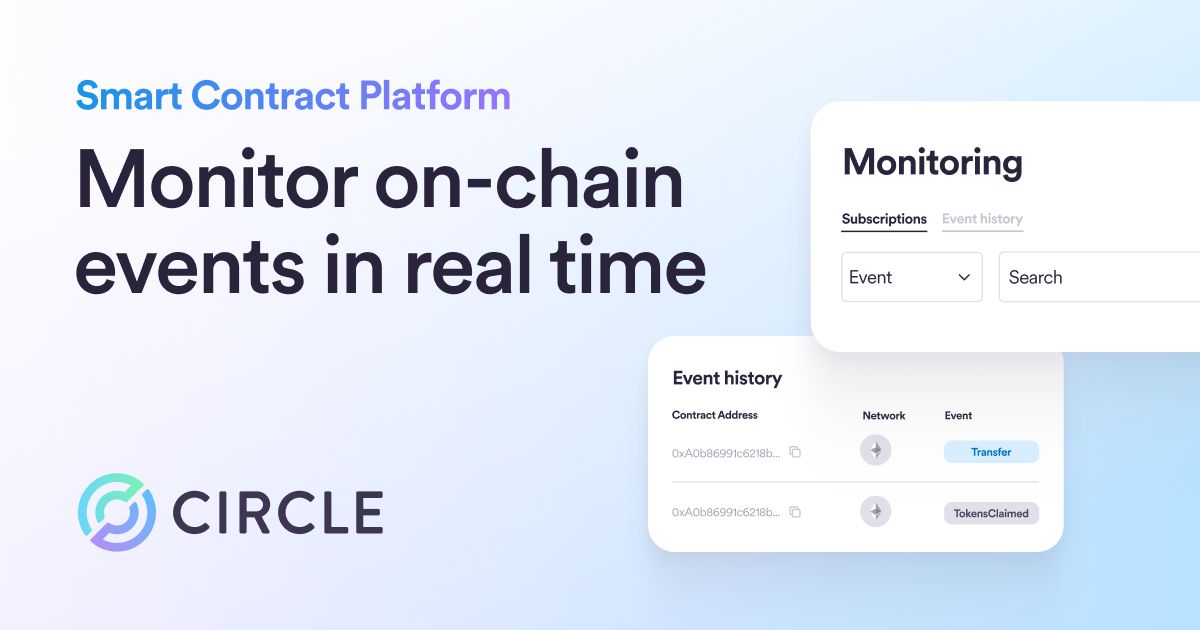
Once a contract is live, you need to see what it is doing in real time. Event monitors listen to blockchain logs for specific triggers. Circle’s monitoring solutions, for example, allow you to set up alerts for specific transaction types or token movements. This is critical for stablecoin projects or any contract handling value. If a large transfer happens outside normal parameters, you get a ping immediately. These tools turn raw blockchain data into actionable signals. Without them, you are flying blind until a user reports a problem.
Anomaly detectors
Anomaly detectors look for patterns that deviate from the norm. They use heuristics or machine learning to spot suspicious activity that might not trigger a specific rule. Blockaid, for instance, focuses on protecting users by analyzing transactions before they are signed. It looks for subtle signs of phishing or malicious contract interactions. This layer is essential because attackers often use novel techniques that bypass standard rules. Anomaly detection catches the unknown unknowns. It acts as a safety net for the edge cases your initial rules might have missed.
Comparison of monitoring capabilities
Not all tools do everything. Some are great for development, others for live operations. Use this table to compare their primary strengths.
| Tool | Primary Use | Chain Support | Real-Time Alerts |
|---|---|---|---|
| OpenZeppelin Defender | Security scanning & automated execution | Multi-chain | Yes |
| Circle Monitoring | Transaction & event tracking | Major L1s & L2s | Yes |
| Blockaid | User-facing risk analysis | EVM-based | Yes |
Choosing your stack
Start with what you need most. If you are building a new protocol, prioritize security scanners. If you are running a live financial service, add event monitors. Anomaly detectors are the final layer for high-value systems. You do not need every tool on day one, but you need a clear strategy for how they fit together. Document your alerts. Test your response. Monitoring is only useful if you act on what you see.
Building a monitoring strategy
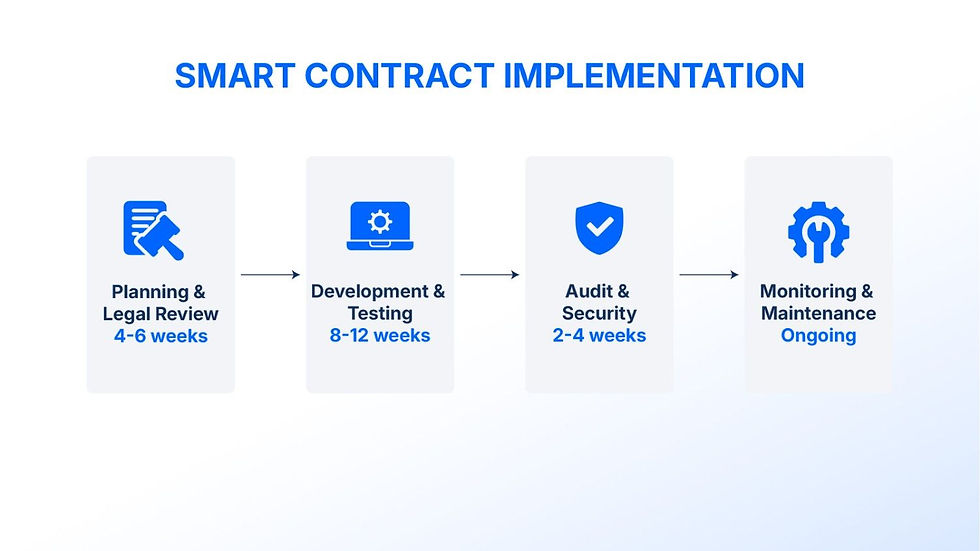
Monitoring isn’t just about watching the chain; it’s about knowing when to act. Without a clear plan, alerts become noise, and noise leads to missed exploits. You need a strategy that defines what matters, how you’re notified, and who responds.
Start by setting the right thresholds. You don’t need to alert on every transaction. Focus on high-value events. For example, OpenZeppelin recommends monitoring for large token transfers or unexpected function calls that deviate from normal patterns. If a contract usually moves 1 ETH and suddenly moves 100 ETH, that’s your trigger.
Next, configure your alerting mechanisms. Speed is critical. Use tools like Blockaid or Circle’s integrations to get real-time notifications via Slack or email. Don’t rely on a single channel. If your email server goes down during an attack, you need a backup.
Finally, define your response protocols. Who gets paged? What is the first step? Is it shutting down the contract, freezing funds, or just gathering data? Drill these scenarios. When the alarm sounds, you won’t have time to read a manual. A clear, practiced plan turns panic into action.
Identify the specific on-chain events that signal danger. Look for anomalies in transaction volume, unusual gas usage, or interactions with known malicious addresses. Use historical data to set baselines so you can spot deviations quickly.
Set up notifications that reach your team instantly. Combine Slack for quick internal communication with email for audit trails. Ensure your monitoring tools, like Blockaid or custom scripts, can push to these channels without delay.
Document exactly who does what when an alert fires. Assign roles: who verifies the threat, who executes the pause function, and who communicates with users. Regular drills ensure everyone knows their part under pressure.
Visualizing Attack Vectors
Understanding the technical stack is crucial, but visualizing how these components interact during an attack provides deeper insight. The following chart illustrates the flow of a typical exploit and where monitoring tools intervene to block it.
Helpful gear
Use these product recommendations as a starting point, then choose the size, material, and price point that fit how you actually use the gear.


As an Amazon Associate, we may earn from qualifying purchases.
No comments yet. Be the first to share your thoughts!