Why monitoring matters now
Static audits are no longer enough. A smart contract audit is a snapshot in time, capturing the security posture of your code at a specific moment before deployment. However, the blockchain environment is dynamic. New vulnerabilities are discovered daily, and attack vectors evolve as exploit techniques become more sophisticated. Relying solely on a one-time audit leaves your protocol exposed to risks that emerge after the code goes live.
The reality of post-deployment security is that most exploits do not stem from initial code bugs. They arise from new attack vectors, oracle failures, or unexpected interactions with other contracts that the original audit did not anticipate. Continuous monitoring is the new standard for risk management because it provides the visibility needed to detect and respond to these emerging threats in real-time.
OpenZeppelin emphasizes that monitoring is a challenging but essential task. You need enough sensitivity to see alerts as they happen, allowing your team to adapt to new risks before they result in significant losses. Without a robust Smart Contract Monitoring strategy, you are essentially flying blind, unaware of the subtle changes in your protocol's environment that could lead to a catastrophic failure.
To protect your assets, you must shift from a "set and forget" mentality to continuous oversight. This means integrating tools that track on-chain activity, monitor for anomalous behavior, and alert you to potential threats as they happen. Only by maintaining constant vigilance can you ensure the long-term security and integrity of your smart contracts.
Core monitoring infrastructure
Smart contract monitoring relies on a reliable data pipeline. The foundation is your RPC node. You need a node that handles high throughput without dropping requests. If your node lags, your alerts arrive too late. Choose a provider that guarantees uptime and offers historical data access. This is the first layer of visibility.
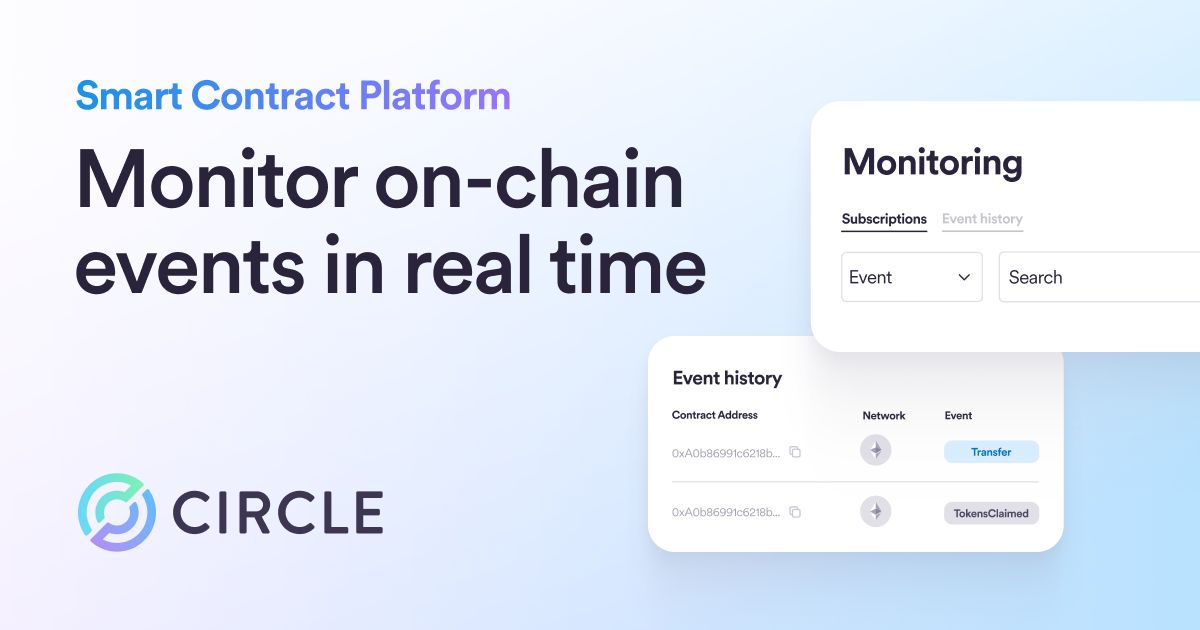
Next, you need event listeners. These scripts subscribe to blockchain events. They watch for specific signatures, like token transfers or ownership changes. When an event fires, your listener catches it. This real-time feed allows you to react to on-chain activity instantly. Without listeners, you are blind to what happens after deployment.
Log parsing turns raw data into readable information. Blockchain logs are dense and hard to read. Parsing tools decode these logs into human-friendly formats. They extract the essential details: who, what, and when. This step is critical for accurate alerting and post-incident analysis.
Building this infrastructure takes effort, but it is non-negotiable for security. You need speed, accuracy, and reliability. If any part of this stack fails, your monitoring strategy fails with it. Start with a robust node, add precise listeners, and refine your parsers. This is how you build a Smart Contract Monitoring system that actually works.
Essential smart contract monitoring tools
Smart Contract Monitoring works best as a clear sequence: define the constraint, compare the realistic options, test the tradeoff, and choose the path with the fewest hidden costs. That order keeps the advice usable instead of decorative. After each step, pause long enough to check whether the recommendation still fits the reader's actual situation. If it depends on perfect timing, unusual access, or a best-case budget, include a simpler fallback.
The simplest way to use this section is to write down the real constraint first, compare each option against it, and choose the path that still works outside ideal conditions.
Building a monitoring strategy
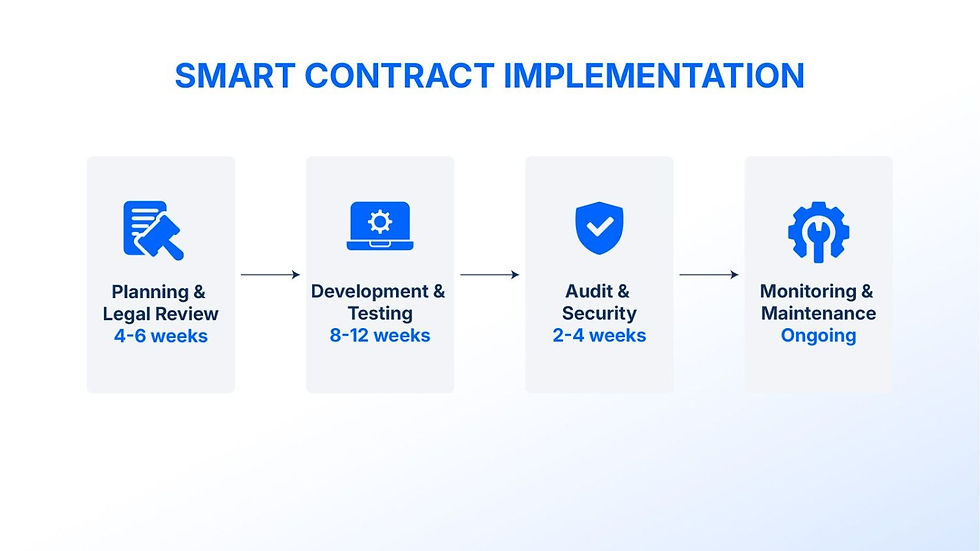
Smart Contract Monitoring works best as a sequence, not a scramble through settings. Do the minimum first: confirm compatibility, connect the core hardware, update only when needed, and test the result before adding optional features. That order keeps the task understandable and makes failures easier to isolate. After each step, pause long enough for the interface to finish syncing. Many setup problems are timing problems disguised as configuration problems. If the same step fails twice, record the exact error, restart the smallest affected piece, and retry before moving deeper.
Helpful gear
Use these product recommendations as a starting point, then choose the size, material, and price point that fit how you actually use the gear.


As an Amazon Associate, we may earn from qualifying purchases.
No comments yet. Be the first to share your thoughts!