Smart contract monitoring tools
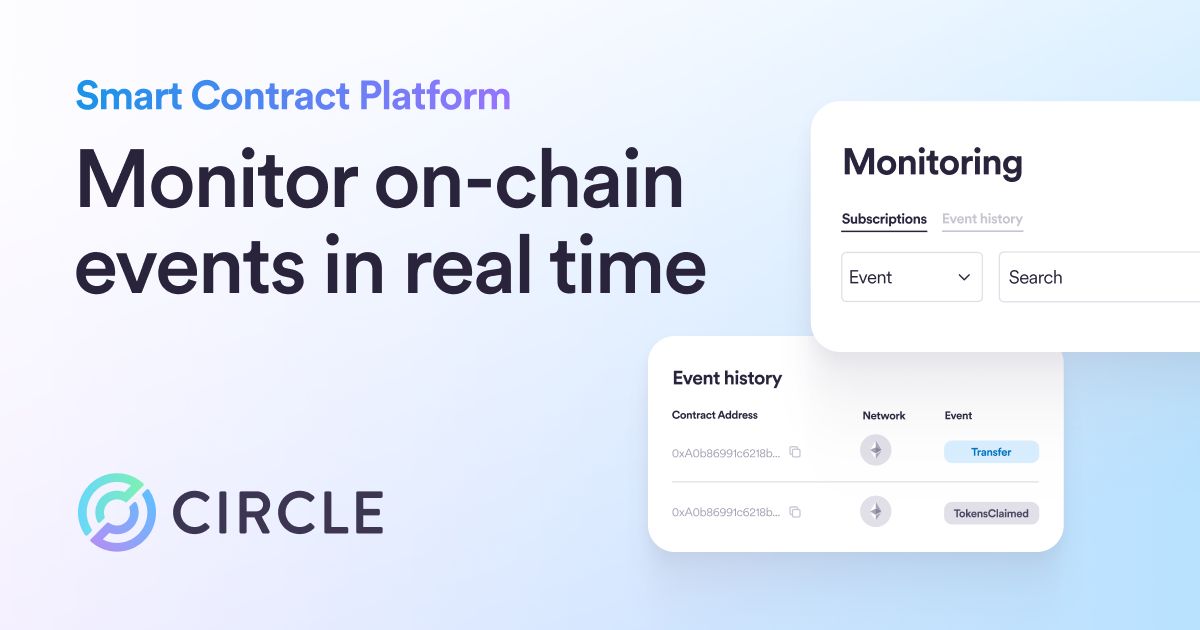
Smart contract monitoring tools bridge the gap between deployment and production safety. They provide real-time visibility into on-chain activity, allowing teams to detect anomalies, track gas usage, and verify state changes before they impact users. Without this layer, a contract is a black box.
The landscape splits into two distinct categories: code scanners and runtime monitors. Code scanners like SolidityScan analyze the source code for vulnerabilities and anti-patterns before deployment. Runtime monitors like Tenderly watch live transactions, alerting teams to balance irregularities or invariant violations as they happen. Using both creates a defense-in-depth strategy.
Choosing the right tool depends on your stack and risk tolerance. Some platforms offer unified dashboards for multiple chains, while others specialize in specific EVM-compatible networks. Prioritize tools that provide customizable alerts and historical data access. This ensures you can trace back any incident to its root cause quickly.
Choosing the Right Smart Contract Monitoring Tool
Selecting a monitoring tool requires balancing real-time visibility against the complexity of your deployment. No single platform covers every edge case, so your choice depends on whether you prioritize pre-deployment security or post-deployment stability.
Static Analysis vs. Runtime Monitoring
Static analysis tools like Securify v2.0 and Slither scan source code for known vulnerability patterns before the contract goes live. These are essential for catching logic errors and anti-patterns early. However, they cannot detect issues that only emerge during execution, such as unexpected state changes or gas limit failures.
Runtime monitoring tools like Tenderly track deployed contracts in real time. They alert you to balance anomalies, invariant violations, and contract drift across chains. This layer is critical for catching incidents before users suffer financial loss, but it requires the contract to already be on-chain.
Key Tradeoffs to Evaluate
When comparing options, focus on these concrete factors:
- Coverage Depth: Does the tool scan every line of code or only known vulnerability signatures?
- Alert Latency: Can you catch a drain event in seconds, or does it take minutes?
- Chain Support: Does it monitor the specific L2 or sidechain you are deploying to?
- Integration: Does it feed alerts into your existing Slack or PagerDuty workflows?
Comparison of Monitoring Approaches
The table below breaks down the primary tradeoffs between static and runtime monitoring strategies.
| Feature | Static Analysis | Runtime Monitoring |
|---|---|---|
| Vulnerability Detection | Pre-deployment (source code) | Post-deployment (execution) |
| False Positives | High (needs manual review) | Low (based on actual state) |
| Real-time Alerts | No | Yes (events, balances) |
| Best Use Case | Initial audit & code review | Production incident response |
Start with static analysis to harden your code, then layer runtime monitoring for production safety. This two-step approach minimizes risk without over-relying on any single tool.
Choose the next step
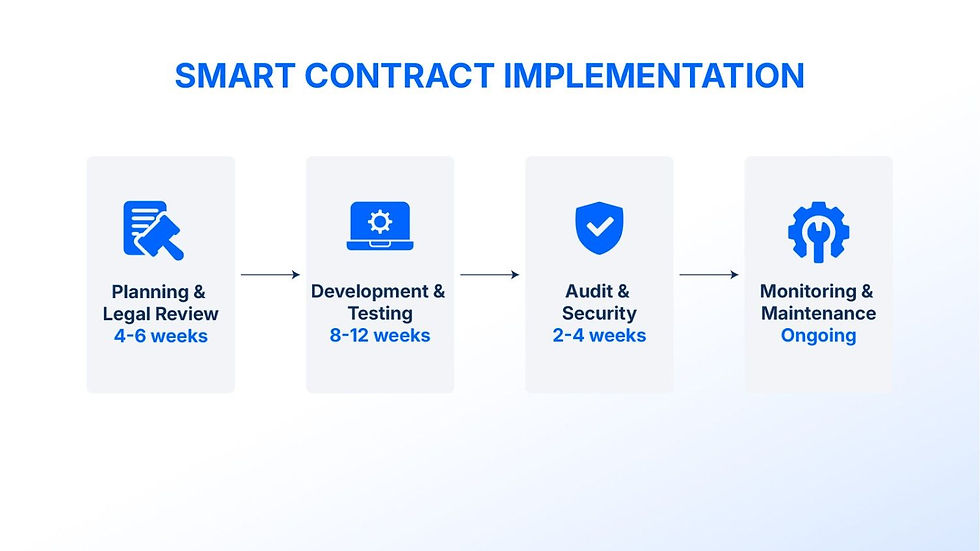
Smart Contract Monitoring works best as a clear sequence: define the constraint, compare the realistic options, test the tradeoff, and choose the path with the fewest hidden costs. That order keeps the advice usable instead of decorative. After each step, pause long enough to check whether the recommendation still fits the reader's actual situation. If it depends on perfect timing, unusual access, or a best-case budget, include a simpler fallback.
Watchouts: Misleading Claims and Weak Options
Smart contract monitoring tools promise full visibility, but the reality is often fragmented. Many platforms market themselves as all-in-one solutions while lacking deep chain support or real-time alerting capabilities. When evaluating vendors, look for specific coverage of major networks like Ethereum, Solana, and BNB Chain rather than vague "multi-chain" claims.
Be wary of tools that rely solely on static code scanning. Monitoring requires active observation of on-chain behavior. A tool that only audits code at deployment misses runtime exploits, reentrancy attacks, and oracle manipulations that occur after the contract goes live. Ensure the solution includes continuous monitoring of contract states and transaction flows.
Another common pitfall is ignoring false positive rates. Overly sensitive alerts can lead to alert fatigue, causing teams to miss genuine threats. Compare tools based on their ability to filter noise using custom invariants and thresholds. Prioritize platforms that offer configurable rules for events, balances, and contract drift, allowing you to tailor alerts to your specific risk profile.
Smart contract monitoring tools: what to check next
Helpful gear
Use these product recommendations as a starting point, then choose the size, material, and price point that fit how you actually use the gear.


As an Amazon Associate, we may earn from qualifying purchases.
No comments yet. Be the first to share your thoughts!