Why continuous monitoring matters
Smart contract audits are essential, but they are static snapshots of your code’s security posture at a specific point in time. They verify that the logic you wrote matches your intent and that known vulnerability patterns are absent. However, an audit does not protect your deployed contract from evolving threats, zero-day exploits, or unexpected interactions with other protocols in the wild.
Once your contract goes live, the threat landscape shifts. Attackers actively scan for new deployments, looking for misconfigurations, flash loan vulnerabilities, or logic errors that only manifest under specific runtime conditions. Without continuous monitoring, you are flying blind. You won’t know your contract is being exploited until the funds are drained and the transaction is irreversible.
Continuous smart contract monitoring acts as your 24/7 security guard. It watches for suspicious activity—such as unusual transaction patterns, failed calls, or abnormal gas usage—and alerts you instantly. This dynamic vigilance allows you to pause contracts, mitigate damage, or patch vulnerabilities before they result in total loss. For high-stakes DeFi protocols, post-deployment vigilance is not optional; it is the final, non-negotiable layer of risk mitigation.
Core monitoring infrastructure components
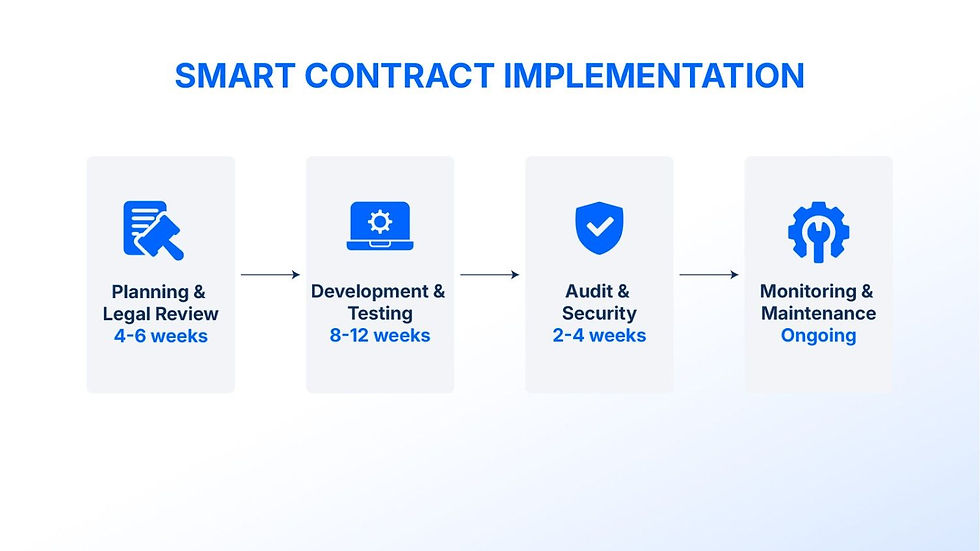
Building a reliable smart contract monitoring stack requires three distinct layers: data ingestion, processing logic, and notification delivery. Without this triad, you are essentially flying blind. Passive logging gives you historical context, but active alerting is what protects your protocol in real time. Understanding the distinction between these modes is the first step toward effective infrastructure.
RPC nodes and event listeners
At the base of the stack are RPC (Remote Procedure Call) nodes. These are your direct connection to the blockchain. You need them to fetch block headers, read contract state, and subscribe to event logs. For monitoring, you typically rely on the eth_subscribe method to listen for specific Logs that match your contract’s event signatures.
Choosing the right node provider matters. Public nodes often throttle high-frequency requests, which can cause you to miss critical events during high network congestion. For production monitoring, use dedicated endpoints from providers like Alchemy, Infura, or QuickNode. They offer higher rate limits and better uptime guarantees.
When configuring event listeners, focus on the topics array in your subscription. This filters events at the node level, reducing bandwidth and processing overhead. For example, if you are monitoring a Transfer event, filter by the event signature hash rather than fetching all logs and filtering locally. This approach scales much better as your protocol grows.
Alerting and notification systems
Once you have the data flowing from your nodes, you need a system to process and act on it. This is where passive logging turns into active defense. Passive logging stores every event for later analysis, which is useful for audits and debugging. Active alerting, however, triggers immediate actions based on predefined conditions.
Implementing an alerting layer involves setting up thresholds and triggers. Common triggers include:
- Unusual transaction volume: Spikes in gas usage or transaction counts can indicate a bug or an attack.
- State changes: Unexpected updates to critical contract variables, such as a sudden drop in a reserve ratio.
- Error events: Catching
RevertorFailureevents that might not halt the contract but indicate underlying issues.
For notifications, integrate with services like Slack, Discord, or PagerDuty. The goal is to reduce mean time to detection (MTTD). If a critical event occurs, you should know within seconds, not hours. This often involves building a lightweight middleware that subscribes to your node’s events, evaluates them against your rules, and sends alerts if thresholds are breached.
Contextualizing network activity
Monitoring infrastructure does not exist in a vacuum. Network conditions, such as gas prices and block times, directly impact the cost and reliability of your monitoring. High gas fees can make frequent polling expensive, while block reorgs can cause false alerts if not handled correctly.
To keep costs manageable, consider batching your requests and using efficient filtering strategies. Also, monitor the health of your RPC endpoints. If one node starts lagging, automatically failover to a backup to ensure continuous coverage. This redundancy is crucial for maintaining trust in your monitoring system.
Essential smart contract monitoring tools
Smart contract monitoring tools fall into three distinct categories, each serving a different layer of your security stack. You need a mix of on-chain event tracking, pre-transaction simulation, and automated response systems to cover the full attack surface. Relying on a single tool leaves blind spots that attackers exploit.
On-chain event monitors
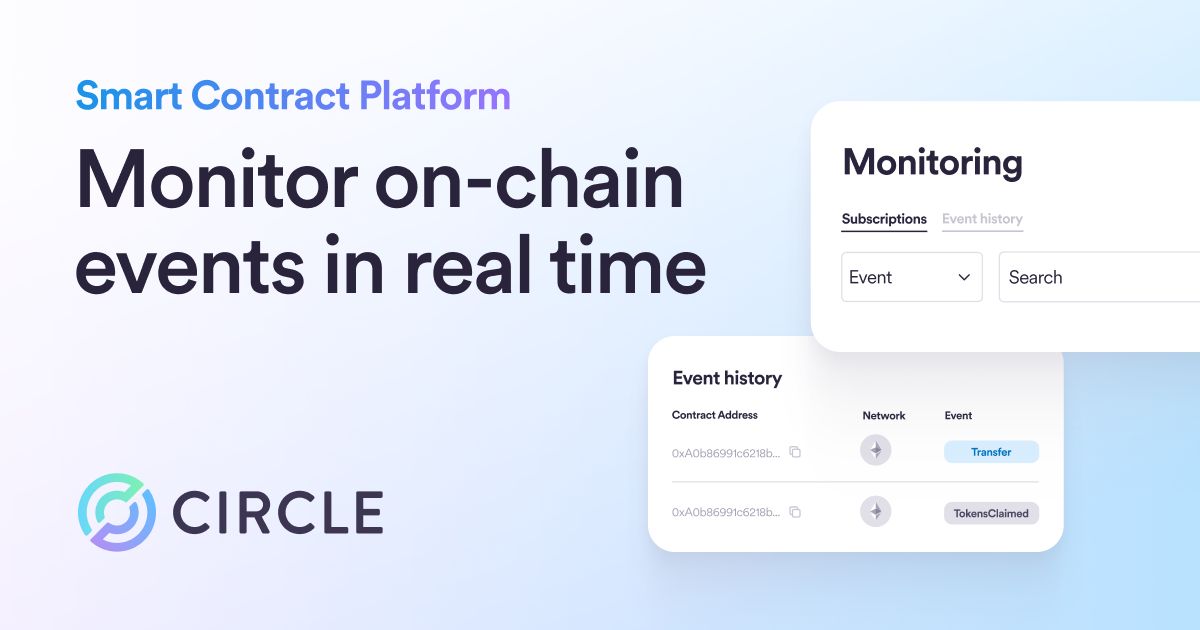
On-chain monitors track transactions, state changes, and specific function calls after they happen on the blockchain. This is your baseline visibility, allowing you to detect anomalies like unusual token transfers or unexpected contract interactions. OpenZeppelin Defender is the industry standard here, offering customizable monitor templates that trigger alerts based on specific contract events.
These tools are essential for post-incident analysis and real-time threat detection. They integrate directly with your existing infrastructure, sending alerts to Slack, email, or webhook endpoints when predefined conditions are met. For example, you can set a monitor to trigger only if a specific address interacts with your contract outside of business hours.
Pre-transaction simulation
Pre-transaction simulation tools analyze transactions before they are signed and executed. This proactive layer stops attacks before they reach the blockchain. Blockaid is a leading provider in this space, offering browser extensions and API integrations that warn users about malicious contract interactions, such as hidden approval loops or drain functions.
By simulating the transaction locally or against a testnet fork, these tools can predict the outcome without committing funds. This is particularly useful for preventing social engineering attacks and phishing attempts that target end-users rather than the contract code itself.
Automated response systems
Automated response systems go beyond alerting by taking action. If a monitor detects a critical vulnerability or exploit, these systems can pause the contract, freeze funds, or trigger a governance vote. OpenZeppelin Defender’s Timers and Autotasks allow you to automate routine maintenance and emergency responses.
This layer is crucial for high-stakes environments where minutes matter. By combining on-chain monitors with automated responses, you reduce the time between detection and mitigation, minimizing potential losses.
Comparing monitoring tools
The table below compares key features of top monitoring tools to help you choose the right fit for your stack.
| Tool | Type | Supported Chains | Alert Speed |
|---|---|---|---|
| OpenZeppelin Defender | On-Chain & Auto-Response | EVM | Real-time |
| Blockaid | Pre-Transaction Simulation | Multi-chain | Instant |
| Tenderly | On-Chain & Debugging | EVM | Near Real-time |
Designing a robust monitoring strategy
Building a monitoring strategy requires moving beyond simple price tracking to focus on the structural integrity of your smart contracts. Effective monitoring acts as a defensive mechanism, continuously verifying that the contract’s execution adheres to its intended logic and security properties. If a property fails, the monitor detects it, allowing for intervention before funds are lost.
1. Define Critical Events
Start by identifying the specific on-chain events that signal potential issues. These typically include large token transfers, ownership changes, or unusual function calls. By mapping these events to your contract’s logic, you create a baseline for normal behavior. Any deviation from this baseline becomes a signal worth investigating.
2. Set Thresholds and Alerts
Once critical events are identified, configure thresholds that trigger alerts. Avoid setting alerts for every minor transaction, which leads to alert fatigue. Instead, focus on anomalies, such as a sudden spike in gas usage or a transaction that interacts with an unverified contract. Use official documentation from your blockchain provider to understand event signatures and data structures.
3. Establish Response Protocols
An alert is only useful if there is a clear plan for response. Define who is responsible for investigating each type of alert and what actions to take. This might include pausing a contract, contacting users, or escalating to a security team. Regularly test these protocols through simulations to ensure the team is prepared.
Map out the specific on-chain events, such as large transfers or ownership changes, that are central to your contract’s logic. These serve as the primary signals for your monitoring system.
Set specific thresholds for these events to trigger notifications. Focus on anomalies like unusual gas usage or interactions with unverified contracts to avoid alert fatigue.
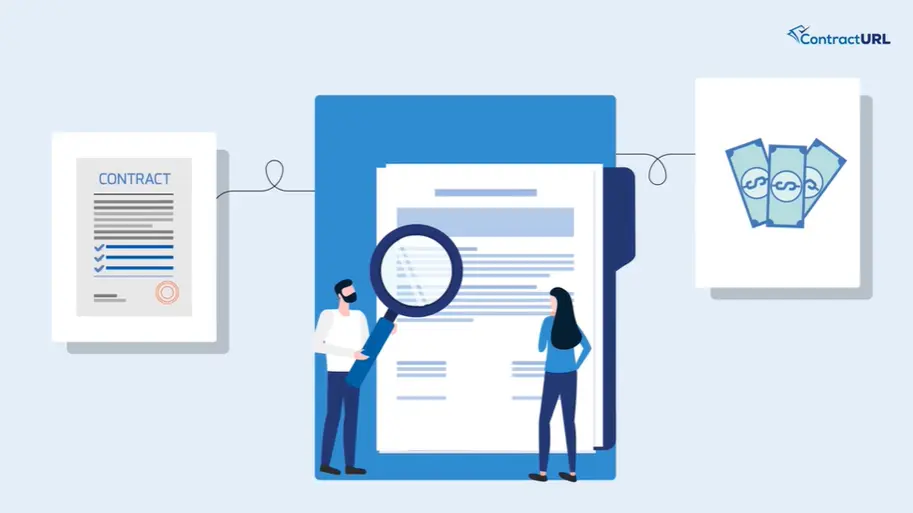
Establish clear protocols for who investigates alerts and what actions to take, such as pausing a contract or escalating to a security team. Regularly test these workflows.
Common monitoring pitfalls to avoid
Building a monitoring stack is only half the battle; keeping it useful is the other. Even well-architected systems can fail if the team falls into common traps like alert fatigue, ignoring low-severity logs, or relying on a single data source. These mistakes don't just waste resources—they create blind spots that attackers exploit.
1. Alert fatigue from poor signal-to-noise ratio
If every transaction triggers a notification, your team will eventually stop reading them. This is known as alert fatigue. When you are bombarded with hundreds of "low-severity" warnings daily, you desensitize yourself to the few critical ones that actually require immediate action.
Refine your thresholds. Group similar events and only page on-call engineers for anomalies that deviate significantly from baseline behavior. Use tools like Numencyber to help categorize these alerts, ensuring that only high-impact events break through the noise.
2. Ignoring low-severity logs
It is tempting to dismiss logs that don't immediately look like exploits. However, low-severity events often serve as the reconnaissance phase for an attacker. A series of small, failed interactions can signal a probing attempt before a full-scale attack.
Treat low-severity logs as vital intelligence. Aggregate them to detect patterns that might indicate a gradual compromise. Ignoring these subtle signals is like ignoring the squeak in your car’s brakes because it doesn’t stop the car immediately—it only matters until it does.
3. Relying on a single data source
No single tool provides a complete view of your smart contract’s health. If you only monitor on-chain events, you miss off-chain context like API failures or RPC node issues. Conversely, relying solely on off-chain metrics means you might miss subtle on-chain anomalies.
Adopt a multi-source approach. Combine on-chain event logs with off-chain infrastructure metrics. This redundancy ensures that if one data stream fails or is manipulated, you still have visibility into the system’s true state.
To stay ahead, regularly audit your monitoring setup. Are your alerts actionable? Are you capturing the full picture? Continuous refinement is the only way to maintain security in a rapidly evolving landscape.
Helpful gear
Use these product recommendations as a starting point, then choose the size, material, and price point that fit how you actually use the gear.


As an Amazon Associate, we may earn from qualifying purchases.
No comments yet. Be the first to share your thoughts!