What to monitor in smart contracts
Smart contract monitoring is the process of watching on-chain activity to catch errors, exploits, or unexpected state changes. Without this visibility, a bug in your code can drain funds or freeze assets before anyone notices. The goal is to turn raw blockchain data into actionable alerts.
You need to track three main areas: transaction execution, event emissions, and state changes. Transactions tell you what users are doing. Events provide a structured log of significant actions, like token transfers or ownership updates. State changes reveal modifications to the contract’s storage, which are often where vulnerabilities hide.
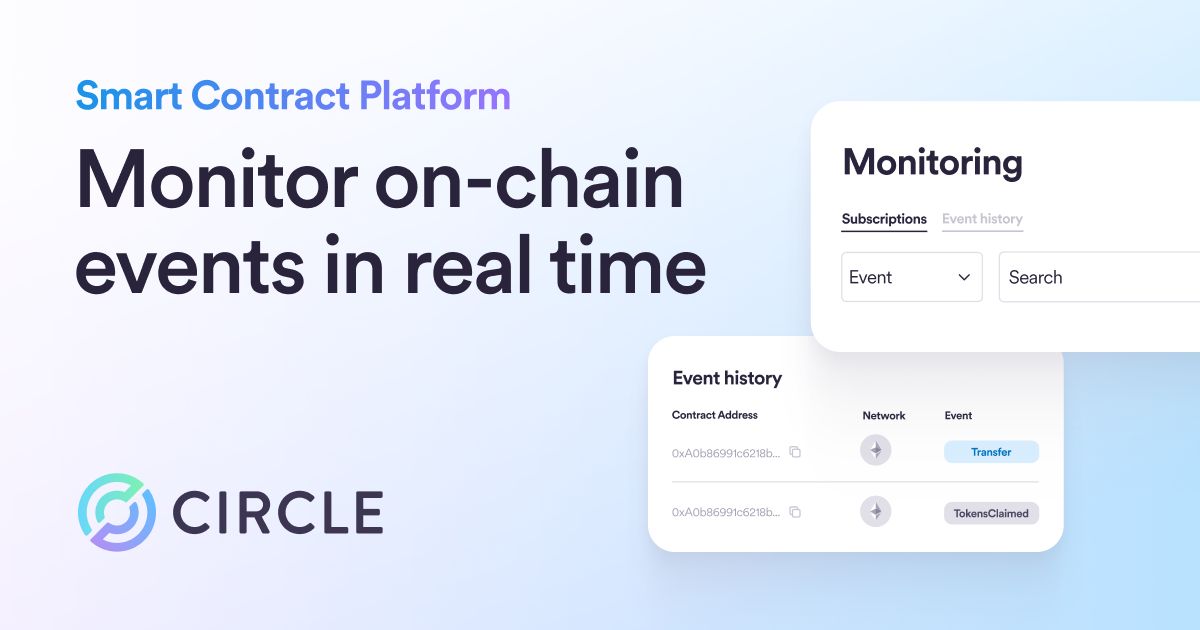
Start by indexing the events your contract emits. Tools like The Graph or Alchemy allow you to query these logs efficiently. For deeper analysis, monitor the transaction pool for pending transactions that might trigger specific conditions. This proactive approach helps you react before an exploit completes.
Technical visualization of monitoring layers
Understanding how data flows from the blockchain to your alerting system is critical for debugging and optimization. The following chart illustrates the typical architecture of a robust monitoring stack, highlighting the latency and data fidelity trade-offs at each stage.
Smart contract monitoring choices that change the plan
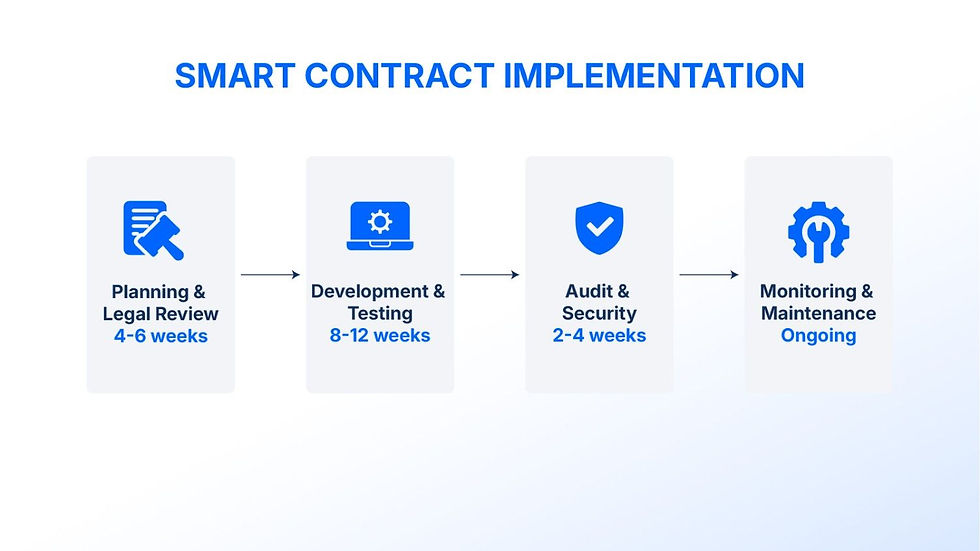
Smart Contract Monitoring works best as a clear sequence: define the constraint, compare the realistic options, test the tradeoff, and choose the path with the fewest hidden costs. That order keeps the advice usable instead of decorative.
After each step, pause long enough to check whether the recommendation still fits the reader's actual situation. If it depends on perfect timing, unusual access, or a best-case budget, include a simpler fallback.
| Factor | What to check | Why it matters |
|---|---|---|
| Fit | Match the option to the primary use case. | A good deal still fails if it does not fit the job. |
| Condition | Verify age, wear, and service history. | Hidden condition issues erase upfront savings. |
| Cost | Compare purchase price with likely upkeep. | The cheapest option is not always the lowest-cost option. |
Choose the next step
Smart Contract Monitoring works best as a clear sequence: define the constraint, compare the realistic options, test the tradeoff, and choose the path with the fewest hidden costs. That order keeps the advice usable instead of decorative.
After each step, pause long enough to check whether the recommendation still fits the reader's actual situation. If it depends on perfect timing, unusual access, or a best-case budget, include a simpler fallback.

Avoid the weak options
The easiest mistake with Smart Contract Monitoring is comparing options on the most visible detail while ignoring the day-to-day constraint. A choice can look strong on paper and still fail because it is too hard to maintain, too expensive to repeat, or awkward in the actual setting.
Use the same checklist for every option: fit, cost, durability, timing, upkeep, and fallback plan. That keeps the comparison practical instead of drifting into preference alone.
The simplest way to use this section is to write down the real constraint first, compare each option against it, and choose the path that still works outside ideal conditions.
Smart contract monitoring: what to check next
Monitoring smart contract activity is no longer optional for serious Web3 operations. Whether you are tracking a new deployment or auditing an existing protocol, the right infrastructure catches issues before they become losses. Here are the practical answers to the most common questions about setting up effective monitoring.
Choosing the right monitoring strategy depends on your specific risk tolerance and technical stack. Start with event-based alerts for high-value transactions, then layer in invariant checks for deeper security. Regular audits of your monitoring rules ensure they remain effective as your contract logic evolves.
Helpful gear
Use these product recommendations as a starting point, then choose the size, material, and price point that fit how you actually use the gear.


As an Amazon Associate, we may earn from qualifying purchases.
No comments yet. Be the first to share your thoughts!