Smart contract monitoring limits to account for
Smart contract monitoring is not a passive dashboard; it is an active signal extraction problem. The blockchain is a public ledger, but raw data is noisy. Without strict constraints, monitoring systems drown in irrelevant events, leading to alert fatigue or missed critical failures. Effective monitoring requires filtering noise before it reaches your infrastructure.
The primary constraint is data volume. Every block contains hundreds of logs. Processing all of them is inefficient and expensive. You must narrow the scope to specific contract addresses and event signatures. The Smart Contract Security Field Guide emphasizes optimizing data redundancy and understanding event signatures to reduce processing load [1]. This means selecting only the events that matter for your security or business logic.
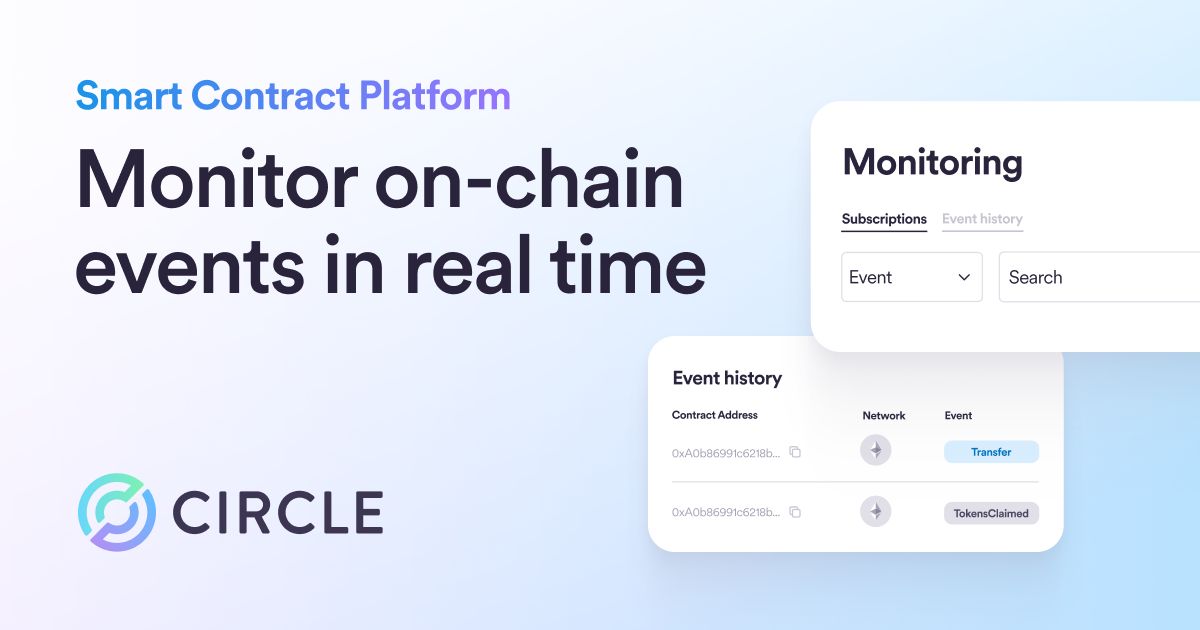
Another constraint is latency. On-chain data is not always immediately available. Block confirmations take time, and indexing services may lag. Relying on real-time RPC calls for complex queries is unreliable. Instead, use indexed data providers that offer historical context and consistency. Circle notes that monitoring activity has become easier with dedicated tools that handle this complexity [2]. These tools abstract the raw blockchain data into actionable signals.
Finally, consider the cost of verification. Monitoring alerts are only as good as the data behind them. If your indexer misses a block or misinterprets an event, your alert is false. Always cross-reference critical alerts with on-chain verification when possible. This adds a layer of trust to your monitoring pipeline, ensuring that the signals you act on are accurate and timely.
[1] https://scsfg.io/developers/monitoring/ [2] https://www.circle.com/blog/monitoring-your-smart-contract-activity-just-got-easier
Smart contract monitoring choices that change the plan
Choosing a monitoring strategy requires balancing immediate visibility against long-term operational costs. No single tool covers every attack vector, so teams must evaluate how different approaches handle data depth, latency, and infrastructure overhead.
The core decision lies between on-chain event parsing, off-chain simulation, and hybrid models. Each method offers distinct advantages depending on whether you prioritize real-time alerting or deep forensic analysis.
Cost vs. Data Granularity
Full event log indexing provides the most granular view of contract state changes but incurs significant storage and compute costs. Lighter monitoring solutions often rely on block headers or simplified signatures, which reduces expenses but may miss critical internal state transitions or complex multi-step transactions.
Latency vs. Accuracy
Real-time monitoring tools can trigger alerts within seconds of a transaction inclusion, which is vital for high-value protocols. However, these systems may generate false positives during network congestion. Batch processing offers higher accuracy by analyzing confirmed blocks, but introduces delays that can be too slow for active defense mechanisms.
Customization vs. Maintenance
Custom-built monitors offer precise control over detection logic and integration with existing security workflows. They require dedicated engineering resources to maintain and update as smart contract standards evolve. Managed services reduce maintenance burden but often limit access to raw data, making it harder to investigate complex exploits or adapt to novel attack patterns.
Coverage vs. Complexity
Broad monitoring platforms cover multiple chains and contract standards out of the box, simplifying initial setup. However, they may lack the specificity needed for complex DeFi strategies or non-standard token implementations. Focused tools tailored to specific protocols offer deeper insights but require separate configurations for each asset or chain.
| Monitoring Type | Data Depth | Latency | Cost | Maintenance |
|---|---|---|---|---|
| Full Event Indexing | High | Low | High | High |
| Block Header Monitoring | Low | Medium | Low | Low |
| On-Chain Simulation | Medium | High | Medium | Medium |
| Managed Service | Variable | Low | Variable | Low |
Choosing the Right Monitoring Tools
Selecting the right infrastructure depends on your specific risk profile and technical resources. Smart contract monitoring is not a one-size-fits-all solution; it requires matching the tooling to the complexity of your protocol and the sensitivity of the assets involved.
Start by defining your threat model. If you are managing a high-value treasury, you need real-time transaction tracing and automated alerting. For lower-risk applications, periodic log analysis may suffice. The goal is to balance coverage with noise—too many alerts lead to alert fatigue, while too few leave you blind to critical exploits.
Evaluate tools based on three core capabilities:
- Event Filtering: Can you filter by specific event signatures and addresses? Precision reduces false positives.
- Latency: How quickly does the tool detect and alert? Real-time is essential for flash loan attacks.
- Integration: Does it integrate with your existing security workflow (e.g., Slack, PagerDuty, GitHub)?
Use the Smart Contract Security Field Guide to benchmark your monitoring stack against industry best practices. It provides a comprehensive checklist for event signatures, data redundancy, and log analysis.
For practical implementation, refer to Circle’s monitoring guide for step-by-step tutorials on setting up event listeners and interpreting logs.
Identify the specific attack vectors relevant to your protocol. List the critical functions and assets that need protection. This focus ensures your monitoring efforts are targeted and effective.
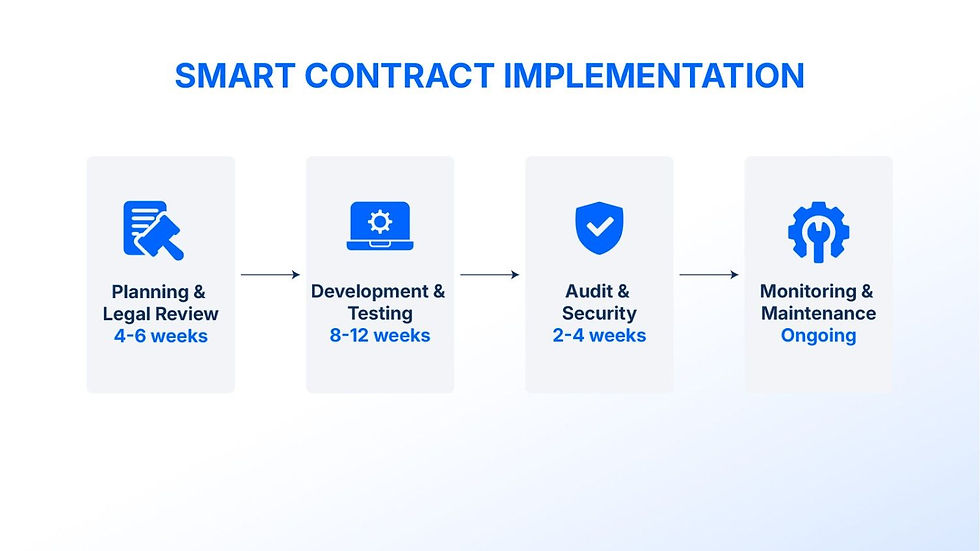
Choose between full-node indexing, third-party APIs, or custom scripts. Weigh the trade-offs between cost, latency, and customization. For most teams, a hybrid approach offers the best balance.

Set up alerting rules based on your threat model. Start with high-severity events only. Gradually add lower-severity alerts as you refine your system to avoid noise.
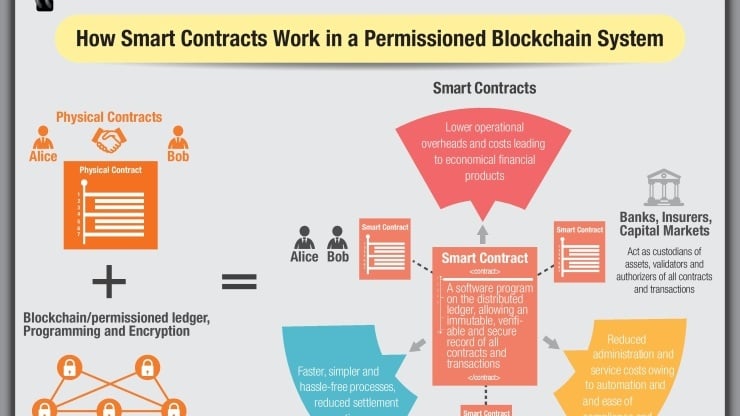
Run simulations of known attack vectors. Verify that your alerts trigger correctly and reach the right team members. Regularly review and update your rules as your protocol evolves.


As an Amazon Associate, we may earn from qualifying purchases.
Watch out for weak monitoring options
Many smart contract monitoring tools promise comprehensive coverage but deliver fragmented data. This gap creates blind spots in your security posture. You need to identify misleading claims before integrating these services into your workflow.
Ignoring event signature mismatches
Some platforms assume standard event logs without verifying the actual emitted signatures. If your contract uses custom encoding or non-standard parameter orders, the tool may misinterpret the data. Always cross-reference the emitted event hashes against the source code. Relying on generic parsing logic leads to false positives or missed critical state changes.
Overlooking off-chain data dependencies
Weak options often ignore the need for reliable oracles or external data feeds. Monitoring only on-chain transactions misses the context of price feeds or verification services. If your contract depends on an oracle, ensure your monitoring tool tracks both the chain state and the oracle’s update frequency. A delay in off-chain data can be just as dangerous as a contract exploit.
Failing to monitor gas anomalies
Some tools focus exclusively on successful transactions, ignoring failed ones. Attackers often test exploits with low gas limits or revert intentionally. Monitoring gas usage patterns helps detect probing attempts. Track the ratio of failed to successful calls. A sudden spike in failed transactions for a specific function often precedes a larger attack.
Smart contract monitoring: what to check next
Continuous monitoring is the final line of defense after deployment. Because smart contract code is immutable, you cannot patch vulnerabilities once they are live. Instead, you rely on real-time event tracking and anomaly detection to identify exploits as they happen.
What is the difference between static analysis and runtime monitoring?
Static analysis scans code before deployment to find known vulnerability patterns. Runtime monitoring watches live transactions on the blockchain. It tracks state changes and event logs to detect unexpected behavior, such as unauthorized fund transfers, that static tools might miss.
Which tools are best for monitoring smart contract activity?
OpenZeppelin Defender is a leading choice for building customized monitor templates that track transactions across multiple chains. Other platforms like Circle offer simplified APIs for tracking specific contract activities. Choose tools that support the specific event signatures you need to watch.
How do I set up alerts for suspicious transactions?
Define clear thresholds for your smart contract's critical functions. Monitor for unusual gas usage, unexpected token movements, or rapid state changes. Integrate these checks with alerting systems like Slack or email to ensure your team responds immediately to potential security incidents.
Can I monitor contracts on any blockchain?
Most modern monitoring tools support multiple EVM-compatible chains, including Ethereum, Polygon, and BNB Chain. However, support for non-EVM blockchains like Solana or Cosmos is more limited. Verify that your monitoring infrastructure supports the specific networks your contracts are deployed on.
No comments yet. Be the first to share your thoughts!