Why monitoring matters now
The blockchain doesn’t forgive. Once a smart contract is deployed, the code is immutable. If there’s a vulnerability, attackers don’t need to wait for a quarterly audit or a bug bounty payout; they exploit the flaw immediately, often draining liquidity in seconds. In 2026, passive auditing is no longer enough. You need active, continuous monitoring to catch anomalies before they become insolvencies.
Traditional security audits are like a one-time health checkup. They identify known issues at a specific point in time. But smart contracts operate in a live, adversarial environment. New attack vectors emerge daily, and even well-audited code can be misused if the surrounding infrastructure isn’t watched. Active monitoring acts as a 24/7 security guard, watching for unusual transaction patterns, sudden liquidity drains, or unexpected state changes.
This shift from "audit and forget" to "monitor and respond" is critical. Tools that provide real-time visibility into contract interactions allow teams to pause transactions, revoke permissions, or trigger emergency stops. Without this layer, you’re flying blind. The cost of a single undetected exploit can wipe out a protocol’s entire treasury, making monitoring not just a technical requirement, but a fundamental risk management strategy.
Core monitoring infrastructure
Smart contract monitoring relies on a specific technical stack to translate blockchain state into actionable alerts. At the foundation is the RPC node, which serves as the gateway to chain data. You need a provider that offers high availability and low latency, as any gap in your node connection creates blind spots where exploits can occur unnoticed. Relying on public, unverified endpoints is risky; they often throttle requests or return manipulated data. Stick to official or primary infrastructure providers to ensure the integrity of your monitoring feed.
Once data leaves the node, it flows through event listeners. These scripts subscribe to specific log events emitted by your contracts. Rather than polling the entire blockchain state, listeners filter for relevant transaction hashes and log topics. This approach is significantly more efficient and reduces the computational load on your monitoring engine.
The final layer is log indexing. Raw blockchain logs are unstructured and difficult to query at scale. Indexing services parse these logs into a structured database, allowing you to run complex queries against historical data. This is essential for detecting patterns, such as unusual token transfers or rapid contract interactions, that might indicate a vulnerability being exploited.
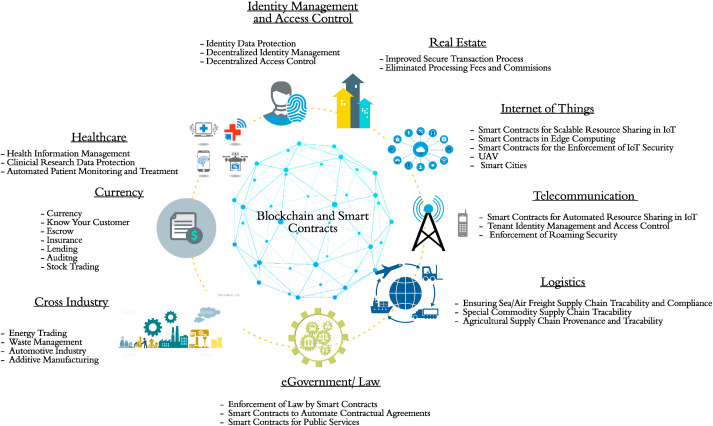
Understanding this data flow—from node to listener to indexer—is critical for building a robust monitoring system. Each component must be configured to handle the specific volume and complexity of your contract’s activity. If any part of this chain fails, your visibility into the contract’s state is compromised.
Essential smart contract monitoring tools
Smart contract monitoring isn't a single product; it's a stack of specialized tools that watch your code from different angles. In 2026, relying on a single provider leaves gaps. You need tools that handle on-chain event tracking, automated transaction execution, and specific asset flows.
The leading tools fall into three distinct categories: comprehensive infrastructure platforms, token-specific monitors, and lightweight custom scripts. Choosing the right mix depends on your deployment complexity and risk tolerance.
OpenZeppelin Defender
Defender is the industry standard for automated contract management. It goes beyond simple monitoring by allowing you to set up custom monitors that trigger transactions when specific on-chain events occur. This is critical for protocols that need to react instantly to market changes or security alerts.
You can build custom Monitor templates to watch for any event signature across multiple chains. The tool integrates directly with your CI/CD pipeline, ensuring that your security checks are part of the deployment process, not an afterthought. For teams managing complex DeFi protocols, Defender provides the automation backbone needed to maintain control.
Circle's Contract Monitoring
If your primary concern involves USDC or other Circle-issued assets, their native monitoring tools offer a streamlined alternative. Circle recently simplified their monitoring interface, making it easier to track contract activity without building custom infrastructure.
This approach is ideal for projects that need to verify token flows and compliance without the overhead of a full-stack monitoring solution. It reduces the complexity of tracking stablecoin movements, which is often the most critical data point for many financial applications.
Custom Scripts
For highly specific use cases, custom scripts written in Python or JavaScript using libraries like ethers.js or web3.py provide ultimate flexibility. You can monitor any event, filter for arbitrary conditions, and trigger alerts via email, Slack, or SMS.
While this requires more development time, it eliminates vendor lock-in and allows you to monitor private or niche chains that commercial tools may not support. This is the go-to choice for researchers and teams with unique architectural needs.
Tool Comparison
The table below breaks down the core differences between these approaches to help you decide where to allocate your resources.
| Tool | Ease of Setup | Cost | Supported Chains | Alerting |
|---|---|---|---|---|
| OpenZeppelin Defender | Medium (Requires Integration) | Usage-based | Multi-chain | Automated Transactions |
| Circle Monitoring | Easy (Native Integration) | Free (for USDC) | EVM (USDC focused) | Dashboard & API |
| Custom Scripts | Hard (Requires Dev) | Infrastructure only | Any (RPC dependent) | Custom (Slack/Email) |
Setting up alerts and responses
Monitoring is only as good as the response. You can track every transaction on a blockchain, but if you are asleep when a flash loan attack drains your liquidity pool, the data is useless. Setting up effective smart contract monitoring requires configuring precise thresholds, routing notifications to the right channels, and having a clear incident response plan.
1. Define what matters
Not every transaction is an emergency. Start by identifying the critical events in your smart contract. Use tools like OpenZeppelin Defender to build custom monitor templates that filter for specific event signatures and parameter values. Focus on high-value actions: large token transfers, ownership changes, or function calls that bypass standard access controls. By optimizing data redundancy and understanding event signatures, you reduce noise and ensure your team only reacts to genuine threats.
2. Configure notification channels
Speed is critical. Set up multi-channel alerts so your team is notified regardless of where they are. Slack is the standard for immediate internal alerts, allowing developers to discuss anomalies in real-time. Email serves as a reliable audit trail for non-urgent warnings. For critical, time-sensitive incidents, integrate SMS or push notifications. Ensure your alerting system includes context: the transaction hash, the block number, and the severity level. This prevents alert fatigue and helps responders triage issues quickly.
3. Establish incident response workflows
When an alert fires, you need a playbook. Define clear roles: who confirms the anomaly, who freezes the contract if possible, and who communicates with the community. Test this workflow regularly. Use a checklist to ensure your node setup, event filtering, and notification testing are all functioning correctly before a real incident occurs. A well-rehearsed response minimizes damage and maintains trust.
Identify high-value actions in your smart contract. Use OpenZeppelin Defender to build custom monitor templates that filter for specific event signatures and parameter values. Focus on large transfers, ownership changes, and access control bypasses.
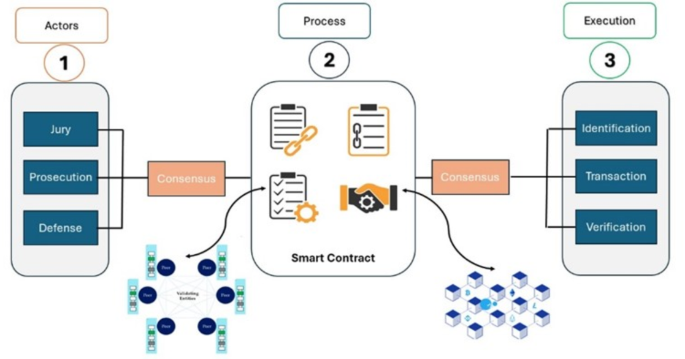
Set up Slack for immediate internal discussion, email for audit trails, and SMS for critical, time-sensitive incidents. Ensure alerts include transaction hashes, block numbers, and severity levels to prevent alert fatigue.
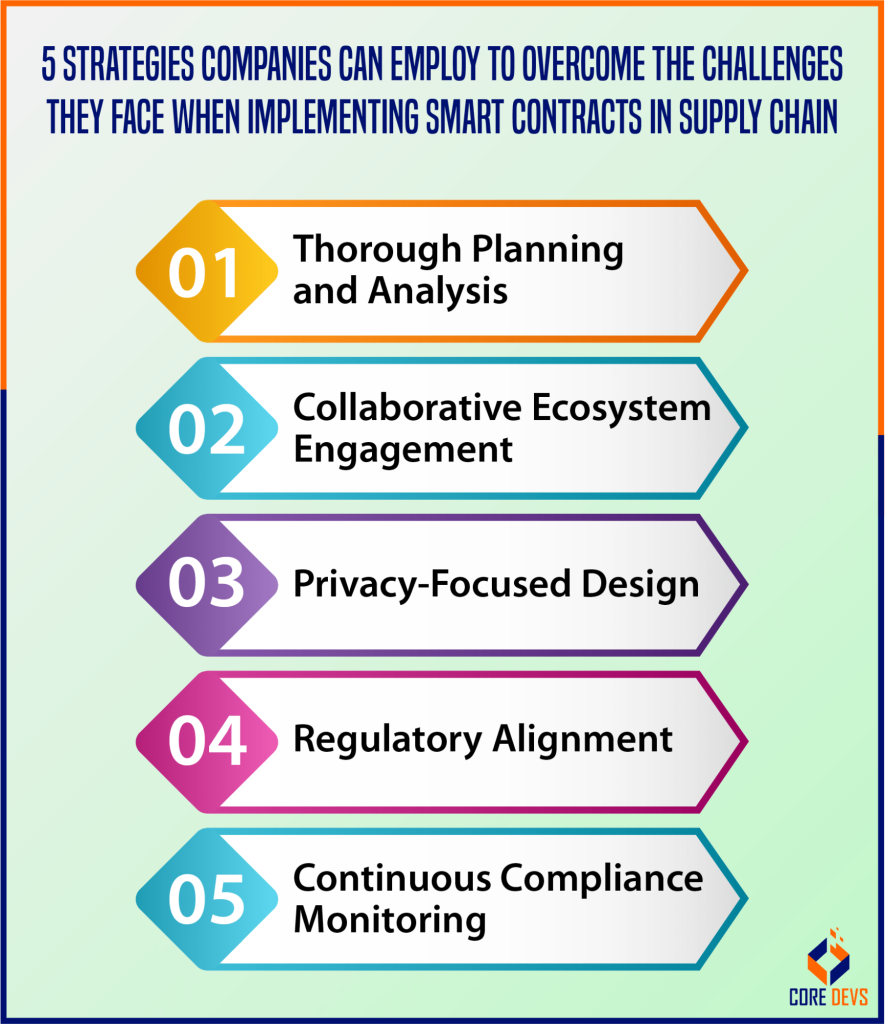
Define clear roles for confirming anomalies, freezing contracts, and communicating with the community. Test this workflow regularly using a checklist that covers node setup, event filtering, and notification testing.


As an Amazon Associate, we may earn from qualifying purchases.
Reading the chain for attack patterns
Collecting data is only half the battle; interpreting it correctly is what stops a drain before it happens. Smart contract monitoring tools act as a real-time translator, converting raw blockchain events into recognizable attack signatures. Instead of waiting for a transaction to confirm, you are looking for behavioral anomalies that deviate from the contract’s intended logic.
Reentrancy detection
Reentrancy remains one of the most critical vulnerabilities to monitor. It occurs when a contract calls an external contract before finishing its own state updates, allowing that external contract to call back into the original function repeatedly. Monitoring tools flag this by tracking the sequence of external calls against the internal state changes. If a withdrawal function triggers an external transfer before the user’s balance is decremented, the monitor raises an immediate alert. This pattern is distinct from standard function calls because of the recursive nature of the interaction.
Oracle manipulation
Oracle manipulation exploits the gap between decentralized oracle prices and the spot price on a specific exchange. Attackers often pump the price on a low-liquidity exchange to trigger a favorable oracle update, then exploit the contract before the price normalizes. Effective monitoring requires correlating oracle feed updates with on-chain trading volume. If you see a significant price shift in an oracle feed accompanied by a sudden spike in trading volume on a specific pool, it is a strong indicator of a manipulation attempt. Tools that integrate with multiple data sources can detect these discrepancies in real-time, allowing for automated circuit breakers or pause functions.
Flash loan abuse
Flash loans allow users to borrow assets without collateral, provided they return the funds within the same transaction. While legitimate, they are frequently used to manipulate market prices or exploit logic flaws in lending protocols. Monitoring tools analyze the input data of transactions to identify flash loan calls. By flagging transactions that involve large, uncollateralized borrowings followed by complex interactions with lending pools, you can investigate potential exploits before they cause significant damage. The key is to monitor the entire transaction lifecycle, not just the final outcome.
Common smart contract monitoring mistakes to avoid
The biggest threat to your monitoring stack isn't a lack of tools; it's how you configure them. Over-monitoring is a silent killer. When every minor state change triggers an alert, your team develops alert fatigue. Soon, the noise becomes background static, and the actual critical events slip by unnoticed. You need to treat your alert thresholds like a precision instrument, not a siren. Tune them to the specific risk profile of your contract logic, not just general network activity.
Under-monitoring is the opposite failure. Relying solely on standard event logs misses the edge cases that often lead to exploits. You must monitor low-level memory operations, storage slot changes, and unusual transaction patterns that don't emit standard events. If your monitoring only looks at the surface, you are blind to the deep state shifts that matter most.
Finally, never rely on a single data source for verification. If your primary indexer goes down or provides stale data, your monitoring is effectively blind. Redundancy is non-negotiable. Cross-reference events from multiple sources to ensure data integrity. If one source says a transaction failed and another says it succeeded, you have a problem that requires immediate investigation, not a shrug.
No comments yet. Be the first to share your thoughts!