Why smart contract monitoring matters now
Smart contracts are immutable by design. Once code is deployed to the blockchain, you cannot simply patch a bug or roll back a transaction. This permanence creates a high-stakes environment where a single logic error or vulnerability can lead to irreversible financial loss. For developers and security engineers, proactive monitoring is not an optional feature; it is the primary defense mechanism against exploits that target these static codebases.
The threat landscape has evolved significantly. Attackers no longer rely solely on simple reentrancy attacks. Modern exploits often involve complex flash loan manipulations, oracle price feed spoofing, and governance vote bribery. These attacks can drain millions of dollars in seconds, often before the contract owner even notices the anomaly. Without real-time visibility into on-chain activity, response times are too slow to prevent total liquidation.
This guide focuses on establishing a robust monitoring infrastructure using official, trusted sources. We will look at how to integrate tools from providers like OpenZeppelin and Circle to detect anomalies early. The goal is to move from reactive incident response to proactive threat detection, ensuring your smart contracts remain secure as they interact with an increasingly complex DeFi ecosystem.
Core monitoring infrastructure
Effective smart contract monitoring starts with a reliable data pipeline. You cannot secure what you cannot see, and that visibility depends on three pillars: RPC nodes, event logs, and data indexing. Each layer plays a specific role in turning raw blockchain activity into actionable security signals.
RPC Nodes: The Entry Point
RPC (Remote Procedure Call) nodes are your direct connection to the blockchain. They allow your monitoring scripts to query the current state of the network or submit transactions. For security monitoring, you need nodes that offer high availability and low latency. If your monitoring service goes down while a transaction is pending, you might miss a critical window to react.
Use provider-backed nodes from services like Alchemy, Infura, or QuickNode for stability. Avoid relying on a single node endpoint; implement failover logic to switch between providers if one becomes unresponsive. This redundancy ensures your monitoring bot stays online during high-traffic periods when network congestion is highest.
Event Logs: The Source of Truth
Smart contracts emit events to record significant state changes. These logs are the primary data source for most monitoring tools. Instead of scanning the entire blockchain history, your infrastructure listens for specific event signatures. For example, a transfer event might trigger a balance check, while a pause event might trigger an immediate alert.
Understanding event signatures is crucial. Each event has a unique hash derived from its name and argument types. You can filter logs by this hash to reduce noise. Tools like OpenZeppelin’s monitoring suite often provide pre-built filters for common patterns, but you should customize these for your specific contract logic. Circle’s recent updates to their monitoring tools also simplify filtering by contract address and event type, making it easier to track multi-contract interactions.
Data Indexing: Making Sense of the Noise
Raw logs are unstructured and difficult to query at scale. Data indexing transforms these logs into a structured format that your monitoring engine can process quickly. Indexers like The Graph or custom ETL pipelines map events to database records, allowing you to run complex queries on historical data.
Without indexing, you would have to re-scan the entire blockchain every time you need to check a contract’s state. This is inefficient and slow. Indexing allows you to maintain a local copy of relevant contract data, enabling real-time alerts and faster forensic analysis when an incident occurs. Choose an indexer that supports your target chain and offers robust querying capabilities to ensure your monitoring infrastructure can keep up with the speed of the network.
Top smart contract monitoring tools
Choosing the right monitoring platform depends on your specific infrastructure needs. Whether you are managing a high-frequency DeFi protocol or a standard ERC-20 token, the tools below offer distinct advantages for tracking on-chain activity.
OpenZeppelin Defender
OpenZeppelin Defender is built for teams that need to manage operations securely. Its Monitor feature allows you to track transactions and events across multiple chains using customizable templates. This is particularly useful for security engineers who need to set up automated responses to specific on-chain triggers. You can define conditions for when to send alerts or execute transactions, making it a robust choice for operational security. Learn more about Defender monitoring.
Tenderly
Tenderly focuses on real-time system integrity and reliability. It provides deep context around liquidity movements and user interactions, helping you catch early signs of critical failures. If your protocol relies on complex state changes or high-value transactions, Tenderly’s dashboard offers the visibility needed to maintain stability. It integrates well with existing CI/CD pipelines, allowing you to monitor production environments without disrupting development workflows.
Circle
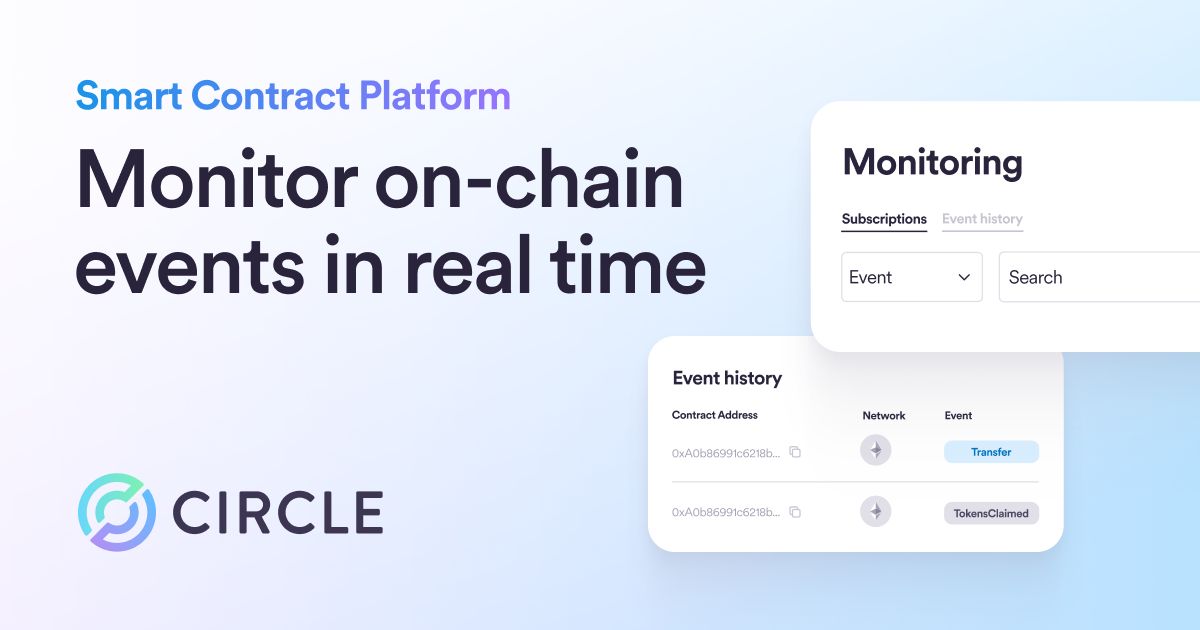
Circle offers a streamlined approach to monitoring, specifically optimized for USDC and other stablecoin integrations. Their platform simplifies the process of tracking contract activity, making it easier for developers to ensure compliance and transaction accuracy. If your primary focus is stablecoin settlement or you need a straightforward setup for basic event monitoring, Circle provides a clean interface that reduces configuration overhead. See Circle's monitoring guide.
Comparison Table
The table below summarizes the key differences between these platforms to help you decide which fits your stack.
| Tool | Primary Focus | Supported Chains | Alerting Capabilities |
|---|---|---|---|
| OpenZeppelin Defender | Operational Security | Multi-chain | Customizable Templates |
| Tenderly | System Integrity | Multi-chain | Real-time Dashboard |
| Circle | Stablecoin Monitoring | EVM-based | Standard Event Tracking |
Setting up event alerts
Smart contracts execute automatically, but they don't send push notifications. To catch critical on-chain events—like a failed upgrade or an unexpected token transfer—you need to build a monitoring layer that watches the blockchain in real time. This section walks through configuring monitors using industry-standard tools like OpenZeppelin Defender and Circle.
Before writing code, list the events that matter. In a standard ERC-20 token, this might be Transfer or Approval. For an upgradeable proxy, watch for AdminChanged or Upgraded. Focusing on these specific signatures prevents alert fatigue and ensures you only get notified when something significant happens.
OpenZeppelin Defender is the most common tool for this workflow. In the Defender dashboard, navigate to the Monitors tab and create a new monitor. You will need to input your contract address and the specific event signature you defined earlier. Defender handles the heavy lifting of indexing blockchain data, so you don't need to run your own node infrastructure for basic monitoring.
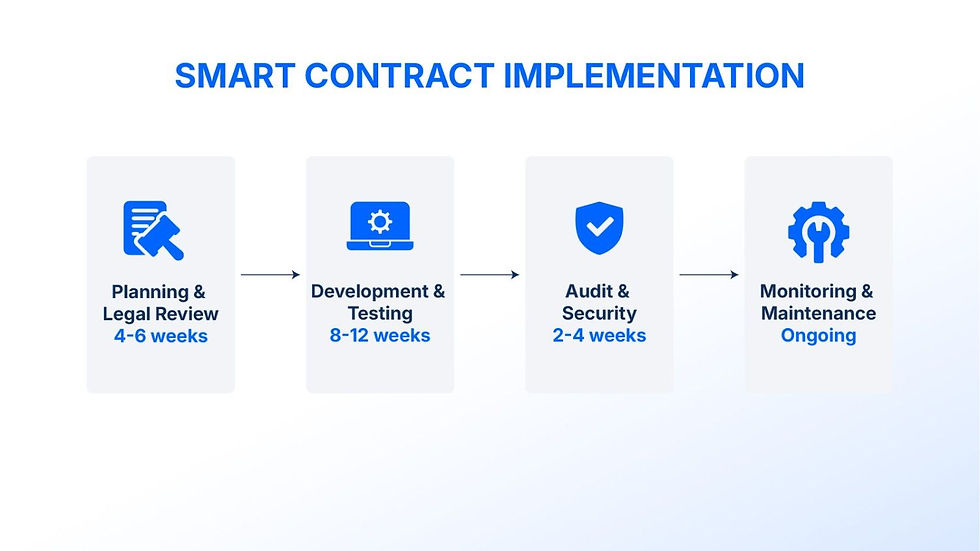
A monitor is only useful if it reaches you. Defender supports email, Slack, and webhook integrations. For high-stakes security events, set up a dedicated Slack channel with PagerDuty integration to ensure immediate visibility. Test this connection by triggering a test event on a testnet to verify that the alert payload contains the data you need to react.
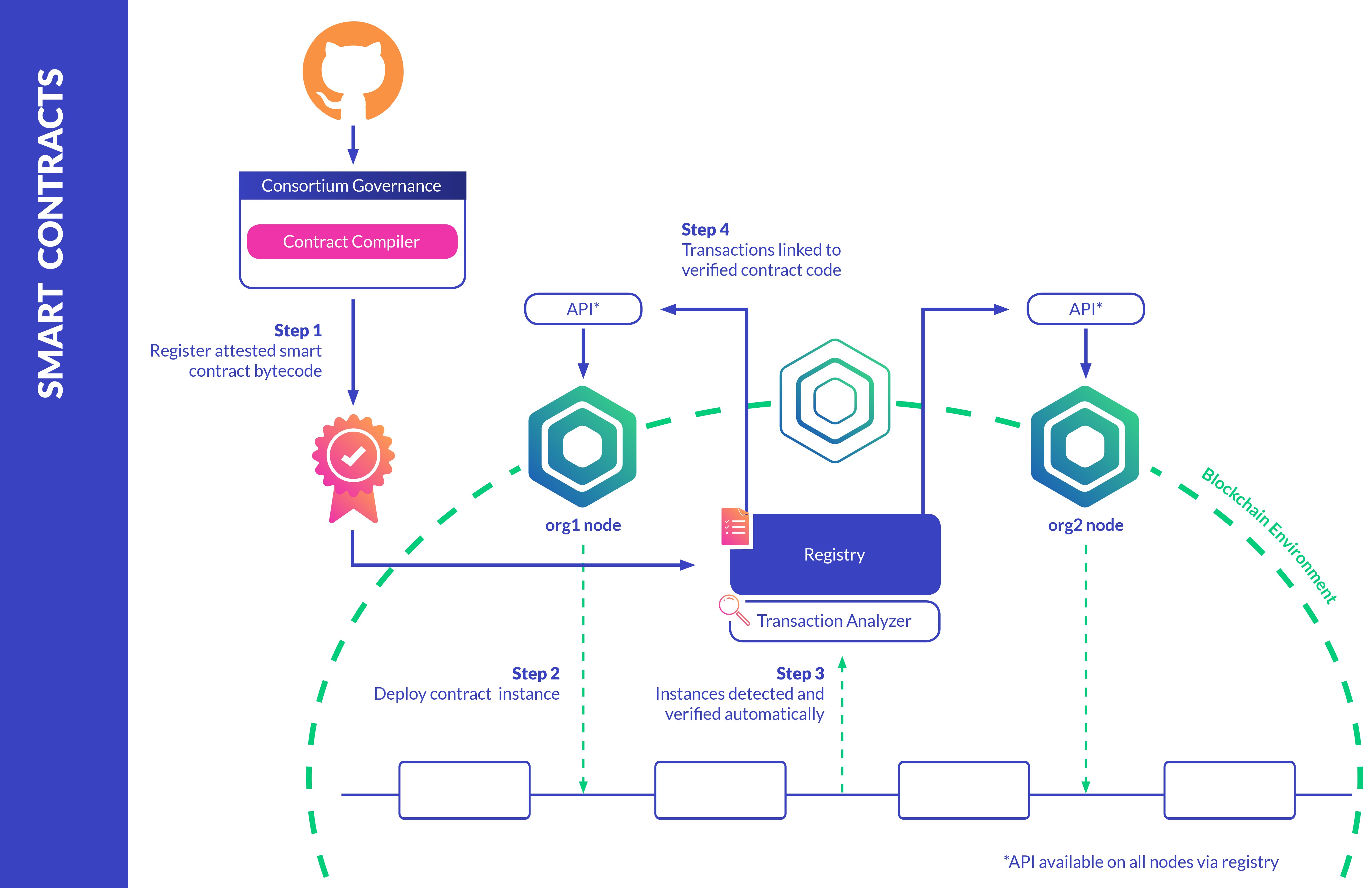
For USDC and other Circle-issued assets, use Circle’s native monitoring tools. As noted in their official documentation, Circle provides specialized endpoints that simplify tracking stablecoin flows. This is particularly useful if your contract interacts heavily with USDC, as it offers a streamlined way to verify transaction confirmations and detect anomalies specific to stablecoin mechanics.
Once your monitors are live, validate them against historical data. Replay past incidents to ensure your alerts would have fired correctly. This step is crucial for catching edge cases, such as events with unusual parameter values or multi-chain transaction sequences that your initial setup might have missed.
Helpful gear
Use these product recommendations as a starting point, then choose the size, material, and price point that fit how you actually use the gear.


As an Amazon Associate, we may earn from qualifying purchases.
No comments yet. Be the first to share your thoughts!