Why real-time monitoring matters
Smart contracts are immutable by design, which creates a unique security paradox. Once deployed, the code cannot be patched. If a vulnerability exists, it remains open for exploitation until the protocol itself is upgraded or migrated. This permanence shifts the burden of security from the development phase to continuous, on-chain observation.
Traditional security audits provide a snapshot of code quality at a single point in time. They are essential for identifying logic errors and common vulnerabilities before launch. However, audits cannot predict how a contract will behave under live market conditions, such as extreme volatility, flash loan attacks, or unexpected integration failures. The gap between a clean audit report and a live exploit is where real-time monitoring becomes critical.
Static audits cover code at a single point in time; monitoring covers the contract's behavior in production.
Real-time monitoring acts as an always-on security layer. It tracks state changes, transaction patterns, and gas usage to detect anomalies that static analysis misses. For example, a sudden drain of liquidity or an unusual spike in contract interactions can signal an active exploit. Without this visibility, response times can stretch from minutes to hours, turning a manageable incident into a catastrophic loss.
The infrastructure for monitoring has evolved to meet this demand. Modern tools integrate directly with blockchain nodes to provide low-latency alerts. This allows security teams and automated guardians to react instantly, potentially freezing malicious transactions or triggering emergency safeguards. In the high-stakes environment of DeFi, this speed is not just a convenience; it is the primary defense against total protocol failure.
Core monitoring infrastructure layers
Smart contract monitoring isn't just about watching a dashboard; it's about building a data pipeline that captures on-chain reality before it becomes a headline. To detect exploits or anomalies in real-time, you need three distinct layers working in concert: raw data ingestion via RPCs, structured event indexing, and a responsive alerting engine.
Node RPCs: The raw data feed
The first layer is your connection to the blockchain itself. You need reliable node RPCs (Remote Procedure Calls) to fetch the latest blocks and transaction receipts. This is your "eyes on the ground." Without a stable RPC endpoint, you're flying blind. Most developers start with public nodes, but for high-stakes monitoring, you'll need premium providers that offer rate limits and uptime guarantees. If your RPC drops during a flash loan attack, you've already lost.
Event indexing: Making sense of the noise
Raw logs are messy. Event indexing transforms these unstructured logs into queryable data. Instead of scanning every block for a specific Transfer event, an indexer like The Graph or a custom ETL pipeline structures this data. This layer is critical for understanding state changes. As noted in the Smart Contract Security Field Guide, optimizing data redundancy and understanding event signatures here prevents you from missing subtle anomalies that could signal a breach.
Alerting pipelines: The final line of defense
Data is useless if no one sees it. The alerting layer connects your indexed data to human or automated responders. This could be a simple email for low-severity events or a Slack webhook that triggers a multisig freeze for critical failures. The goal is to reduce the time between an on-chain event and your response. If you're relying on manual block explorers, you're too late. Automation is the only way to scale.
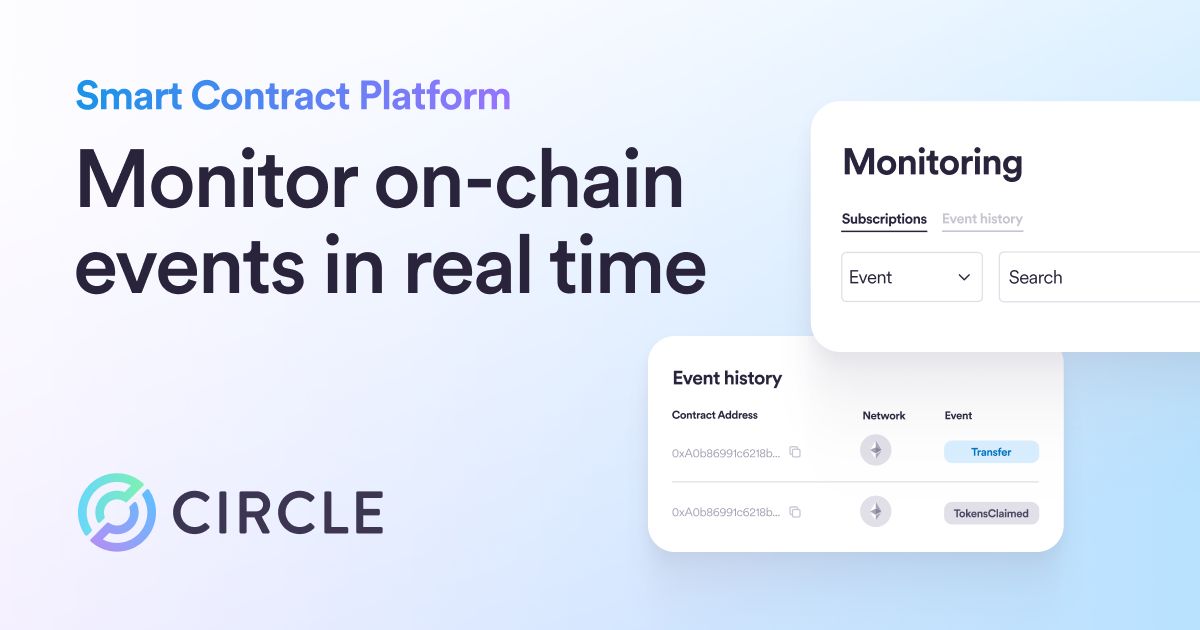
The value at risk here is tangible. A single unchecked vulnerability can drain millions in seconds, as seen in numerous DeFi exploits. Monitoring infrastructure is your insurance policy, but only if it's built to handle the volume and velocity of real-time blockchain data.
Top smart contract monitoring tools
Choosing the right monitoring stack depends on whether you need real-time alerting, deep historical analysis, or decentralized threat detection. The landscape has shifted from simple event logging to active intervention capabilities. Below is a comparison of the leading infrastructure tools used by protocols in 2026.
| Tool | Primary Focus | Supported Chains | Real-Time Alerts |
|---|---|---|---|
| OpenZeppelin Defender | Automated execution & monitoring | Multi-chain (EVM) | Yes |
| Tenderly | Simulation & debugging | EVM + ZK | Yes |
| Forta | Decentralized threat detection | Multi-chain (EVM) | Yes |
| Moralis | Real-time data streams | Multi-chain (EVM) | Yes |
| Chainlink Automation | Decentralized job execution | Multi-chain (EVM) | Yes |
OpenZeppelin Defender is the industry standard for managing live contracts. It allows teams to monitor on-chain activity and execute transactions automatically when specific conditions are met. Its strength lies in its integration with the broader OpenZeppelin ecosystem, making it ideal for teams already using their upgradeable proxy patterns. You can build customized monitor templates to watch for specific events or state changes across multiple chains.
Tenderly excels in simulation and debugging. Before a contract is deployed, Tenderly lets you simulate transactions to predict outcomes and catch errors. For live monitoring, it provides a rich dashboard for tracing execution steps, which is invaluable for debugging complex failures. It supports both EVM and ZK environments, making it a strong choice for projects experimenting with zero-knowledge rollups.
Forta operates differently by using a decentralized network of bots to detect threats in real time. Instead of relying on a single central authority, Forta aggregates signals from thousands of independent bot operators. This makes it particularly effective for identifying novel attack vectors or anomalies that traditional rule-based monitors might miss.
Moralis focuses on providing high-speed, real-time data streams. It is often used by developers building front-end dashboards or analytics platforms that need to react instantly to on-chain events. Its API is designed for low latency, making it suitable for applications where milliseconds matter.
Chainlink Automation provides decentralized job execution for smart contracts. While not a monitoring tool in the traditional sense, it works in tandem with monitoring systems to trigger actions. If your monitoring tool detects a condition, Chainlink Automation can execute the response transaction without relying on a centralized relayer.


As an Amazon Associate, we may earn from qualifying purchases.
When setting up your monitoring infrastructure, consider the trade-offs between centralized ease-of-use and decentralized security. Defender and Tenderly offer polished, centralized experiences that are easy to integrate. Forta and Chainlink offer more decentralized, trust-minimized approaches that may require more initial setup but provide greater resilience against single points of failure.
Designing effective alert rules
Turning raw blockchain data into actionable alerts requires filtering noise from signal. Most monitoring failures stem from alerts that fire too frequently or miss the actual attack vector. To build a system that actually helps, you need to define clear thresholds and validate your logic before it goes live.
Start by identifying the specific event signatures that indicate a breach. Instead of alerting on every transaction, set thresholds for unusual volume spikes or failed state changes. Use official monitoring guides to understand which event logs are most indicative of exploit attempts, ensuring your rules target high-risk activities rather than routine contract interactions.
False positives desensitize teams and waste resources. To minimize them, add context to your alerts by including the transaction hash, the involved address, and the specific function called. If an alert fires for a known legitimate activity, such as a scheduled rebalance, add it to a whitelist. This step is crucial for maintaining trust in your monitoring infrastructure.

Before pushing alert rules to production, test them against historical data. Simulate past attacks or anomalous events to see if your rules would have caught them. This validation process helps you tune sensitivity levels and ensures that your alerts are both timely and accurate. Use this phase to refine your logic and remove any redundant checks.
Common monitoring pitfalls to avoid
Even with the right tools, smart contract monitoring fails when setups ignore the cost of observation itself. Inline monitoring, which injects checks directly into the contract, is the most common approach but also the most expensive. Every extra instruction consumes gas, and if your monitor triggers on every transaction, those costs add up quickly. This can make your contract economically unviable for users, especially during high network congestion.
Another frequent mistake is missing edge cases. Developers often test happy paths but overlook reentrancy attacks or unexpected token behaviors. A monitor that only checks for successful transactions might miss a revert that still consumes gas. You need to monitor both success and failure states to get a true picture of contract health.
Finally, don’t ignore the latency of your monitoring infrastructure. If your alerts arrive after the exploit is complete, the tool is useless. Ensure your data pipeline can keep up with block times. Real-time detection is the only way to stop active attacks before they drain funds.
No comments yet. Be the first to share your thoughts!