Why monitoring matters now
Smart contract security doesn't end when you hit deploy. While pre-deployment audits remain essential, they are inherently static snapshots of code at a specific moment in time. They cannot account for evolving exploit techniques, newly discovered vulnerability classes, or changes in the broader ecosystem that might impact your contract's interactions. Post-deployment monitoring is the only way to maintain security posture in a dynamic environment.
The industry is shifting from viewing audits as a one-time gate to treating monitoring as the primary defense layer. As noted by security researchers at Hacken.io, smart contract security spans five distinct stages, with post-deployment operations being just as critical as design and development Hacken.io. Similarly, Numen Cyber Technology emphasizes that continuous monitoring is required to detect and respond promptly to suspicious activities or anomalies Numen Cyber.
In 2026, the stakes are higher than ever. Exploits can drain millions of dollars in seconds. Without real-time visibility into your contract's state, you are reacting to breaches after the damage is done. Monitoring transforms your security strategy from passive to active, giving you the ability to intervene before funds are lost.
Core infrastructure components
A monitoring stack isn't a single tool; it's a pipeline. If any link in that chain breaks, you're blind to exploits. The standard architecture relies on three distinct layers: data ingestion via RPC nodes, event filtering through listeners, and alerting pipelines that route notifications to your team.
RPC Nodes
RPC (Remote Procedure Call) nodes are the entry point. They serve as the bridge between your application and the blockchain. You don't query the chain directly; you query the node. For monitoring, you need nodes that offer high throughput and reliable historical data access. Public nodes are often rate-limited or unstable, which is unacceptable when you're tracking high-stakes transactions. Providers like Alchemy, Infura, or self-hosted Geth/Nethermind instances are the standard. The goal here is consistent, low-latency access to block data.
Event Listeners
Once data is ingested, you need to make sense of it. Block data is noisy. Event listeners filter this noise by watching for specific event signatures—like Transfer, Approval, or custom contract events. The Smart Contract Security Field Guide emphasizes optimizing data redundancy and understanding event signatures to avoid missing critical state changes. Instead of scanning every transaction, your listener subscribes to relevant logs. This reduces computational load and ensures you only process events that matter to your security posture.
Alerting Pipelines
The final layer is alerting. Raw data and filtered events are useless if no one sees them. An alerting pipeline takes the output from your listeners and routes it to your incident response channel. This could be Slack, Discord, PagerDuty, or email. The key is speed and accuracy. False positives waste time; false negatives cost money. The pipeline should include deduplication and severity tagging so your team knows exactly what to prioritize. Circle's recent updates to monitoring tools highlight how much easier this flow has become, but the underlying principle remains: automate the detection, humanize the response.
Top smart contract monitoring tools compared
Choosing the right monitoring infrastructure depends on your specific risk profile and technical stack. OpenZeppelin Defender, Tenderly, and Circle each offer distinct advantages for tracking on-chain activity. This comparison focuses on multi-chain support, alert customization, and integration ease to help you select the best fit for your project.
Comparison of leading platforms
| Feature | OpenZeppelin Defender | Tenderly | Circle |
|---|---|---|---|
| Primary Use Case | Secure deployment & automated execution | Real-time debugging & simulation | Stablecoin payment monitoring |
| Multi-Chain Support | Yes (EVM chains) | Yes (EVM + non-EVM) | Yes (Major EVM chains) |
| Alert Customization | High (Custom code templates) | High (Events, balances, invariants) | Medium (Pre-built templates) |
| Integration Ease | Developer-focused (CLI/API) | Low-code dashboard | Simple web dashboard |
| Real-time Simulation | No | Yes | No |
OpenZeppelin Defender is built for teams that need granular control over their deployment and execution workflows. Its monitor feature allows you to write custom code to watch for specific events or transaction patterns across supported EVM chains. This approach requires more initial setup but offers the highest level of customization for complex security needs.
Tenderly excels in real-time debugging and simulation. It provides a low-code dashboard where you can set up alerts based on events, balance changes, or smart contract invariants. Its simulation engine allows you to test contract interactions before they go live, making it ideal for teams that prioritize rapid iteration and incident prevention.
Circle’s monitoring tools are streamlined for stablecoin payment flows. While it supports multiple chains, its alerting capabilities are more focused on transactional activity related to USDC. It is less flexible for general smart contract monitoring but offers a simple, reliable solution for payment-specific use cases.
Key considerations for selection
When evaluating these tools, consider the complexity of your smart contracts and the frequency of your deployments. If you are building a high-stakes DeFi protocol, Tenderly’s simulation capabilities may be worth the integration effort. For teams prioritizing security automation, OpenZeppelin Defender’s code-based approach provides robust control.
If your primary concern is monitoring stablecoin payments, Circle’s specialized tools offer a straightforward path. However, for broader smart contract activity, you may need to supplement Circle’s alerts with a more general-purpose monitoring solution.
Recommended resources
For those interested in exploring these tools further, the following resources provide official documentation and tutorials:


As an Amazon Associate, we may earn from qualifying purchases.
Setting up event alerts
Event alerts are the early warning system for your smart contracts. Without them, you are flying blind until a transaction fails or a balance is drained. Setting up monitors for specific contract events allows you to catch anomalies before they become catastrophic losses.
OpenZeppelin Defender provides a robust framework for this, allowing you to monitor transactions and events across multiple chains. The goal is to move from reactive firefighting to proactive monitoring by targeting high-risk functions and unusual state changes.
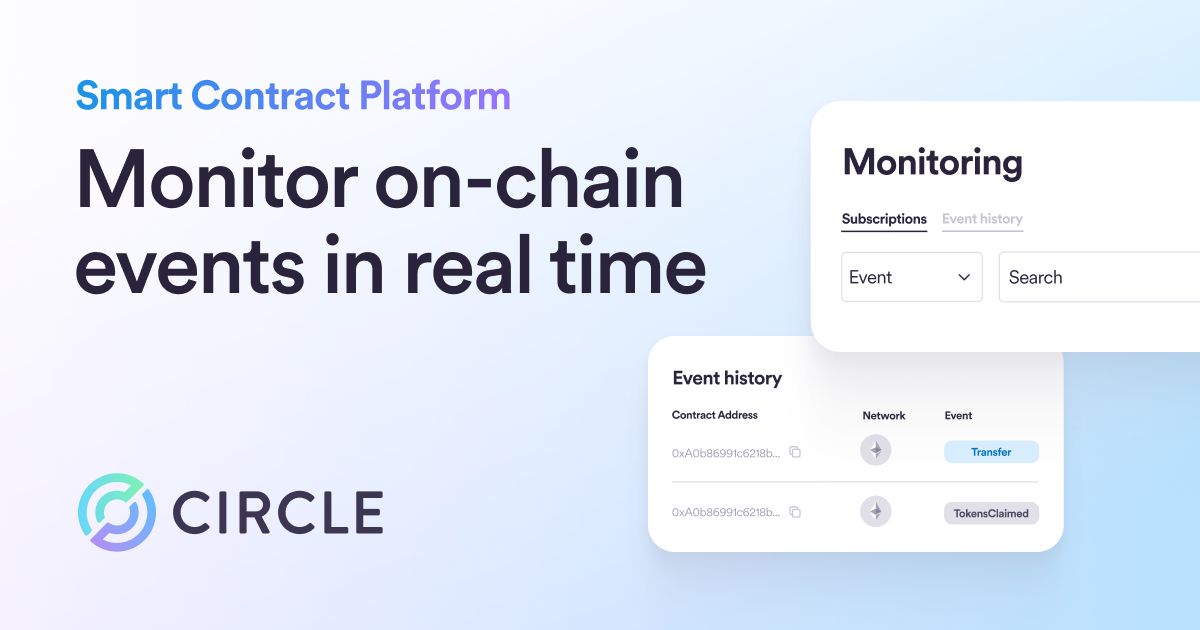
Start by identifying which contract events matter most. Focus on functions that transfer value, change ownership, or alter critical parameters. These are the events that, if triggered unexpectedly, signal a potential exploit. Don't monitor everything; noise leads to alert fatigue.

Use Defender's monitor template to define the conditions for your alerts. You can specify the contract address, the event signature, and the threshold for triggering an alert. This template acts as the blueprint for your monitoring logic, ensuring consistency across different contracts.
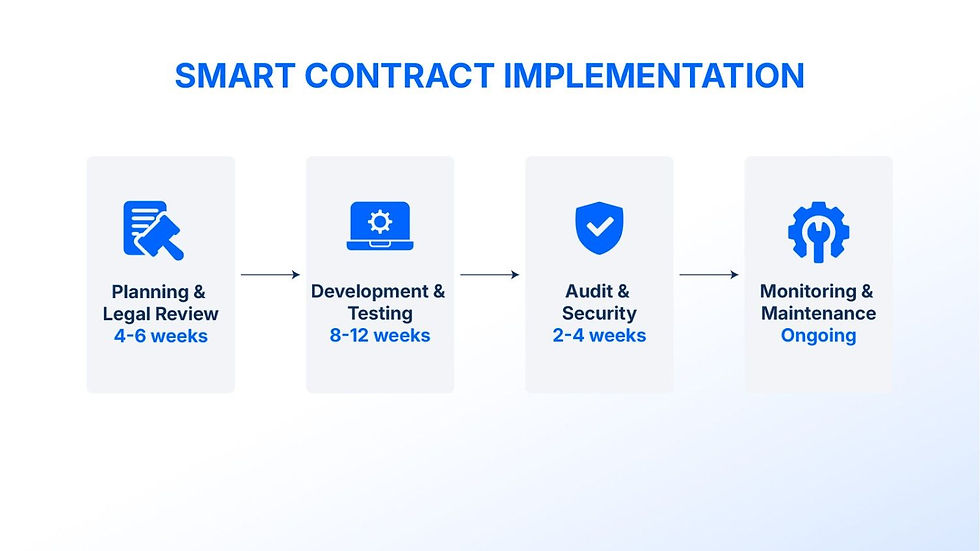
Set specific thresholds for each event. For example, trigger an alert if a single transaction transfers more than a certain amount of ETH, or if a balance changes by more than 10%. These thresholds help you distinguish between normal operational activity and suspicious behavior.

Choose where you want to receive your alerts. Defender supports notifications via email, Slack, or webhook. For high-stakes contracts, consider using a webhook that triggers an automated response or immediately pages your security team. Speed is critical when an exploit is in progress.
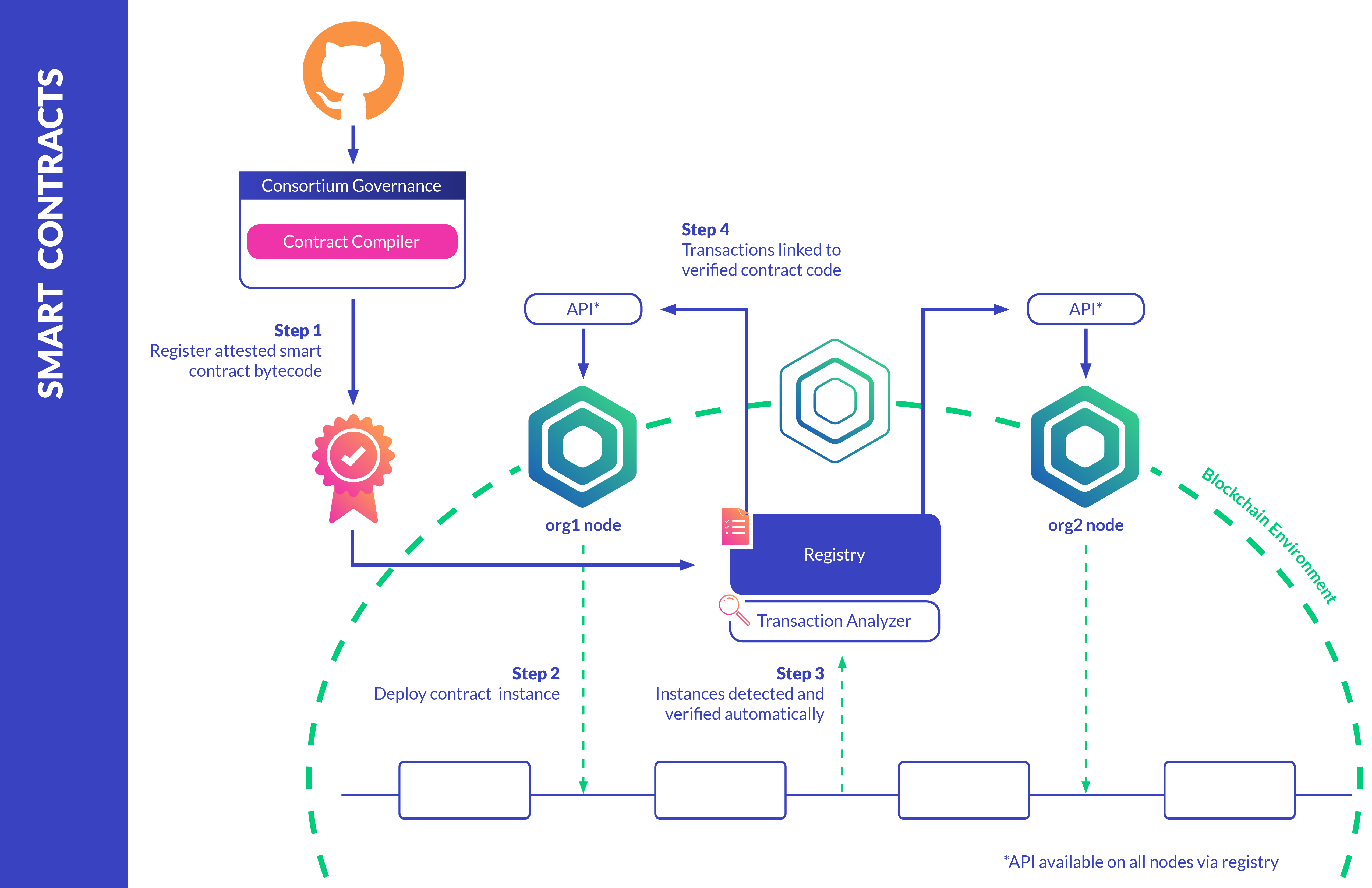
Before deploying your monitors to mainnet, test them on a testnet or forked environment. Verify that your alerts trigger correctly when you simulate the critical events. This step ensures that your monitoring infrastructure is reliable and that you won't miss real threats.
Market context and trends
Smart contract monitoring is no longer a niche technical concern; it is a core component of Web3 infrastructure health. As the market matures, the cost of failure has risen alongside the value of the assets being protected. This shift has turned monitoring from a reactive debugging tool into a proactive risk management layer.
The broader market environment directly influences how these tools are deployed. During periods of high volatility, the frequency and severity of exploits tend to increase, placing greater demand on real-time monitoring solutions. Investors and protocols alike are recognizing that security infrastructure is not an optional overhead but a fundamental requirement for sustainable growth.
To understand the scale of this market, it helps to look at the underlying asset activity. The Ethereum network serves as the primary barometer for smart contract deployment and interaction volume.
This chart illustrates the recent trading activity of Ethereum. While price action is one metric, the volume and transaction density reflected here correlate with the load placed on monitoring nodes and analytics platforms. When on-chain activity spikes, the need for robust, scalable monitoring infrastructure becomes immediately apparent.
Security investment trends are following this pattern. Major protocols are allocating larger portions of their budgets to continuous monitoring and audit services. This is not merely about compliance; it is about preserving capital in a high-stakes environment where a single vulnerability can erase millions in value overnight. The trend is clear: as the value of on-chain assets grows, so does the sophistication and necessity of the tools used to protect them.
Frequently asked: what to check next
How much does smart contract monitoring cost?
Monitoring costs depend on your volume and infrastructure. Open-source tools like Tenderly offer free tiers for low-volume testing, while enterprise-grade services charge based on transaction throughput and alert frequency. For high-stakes deployments, budget for redundant monitoring across multiple chains to ensure no critical events are missed.
Can I monitor contracts without writing code?
Yes, many platforms like OpenZeppelin Defender provide visual interfaces to set up monitors for specific events or balance changes. You can define conditions—such as a token transfer exceeding a certain threshold—and receive alerts via email or webhook without managing backend code.
How do I decode event signatures for alerts?
Event signatures are the first four bytes of a transaction’s data. Tools like the Smart Contract Security Field Guide recommend using ABI definitions to map these signatures to human-readable events. Proper decoding ensures you trigger alerts only on relevant actions, reducing noise and false positives in your monitoring pipeline.
No comments yet. Be the first to share your thoughts!