Why monitoring matters now
Smart contracts are immutable by design, turning security into a high-stakes game of "once and done." A single vulnerability can lead to irreversible loss of funds. While pre-deployment audits are essential, they provide only a snapshot of security at a specific point in time and cannot account for dynamic blockchain environments or evolving attack vectors.
Active monitoring bridges the gap between static audits and real-world protection. It involves continuously tracking on-chain events, analyzing transaction logs, and detecting anomalous behavior. This proactive approach allows teams to identify potential threats before they escalate. For instance, monitoring event signatures and log data can reveal unauthorized access attempts or unusual transaction patterns that might indicate a compromise.
The cost of downtime or exploits extends beyond financial loss; it erodes trust in the protocol and the broader ecosystem. Real-time monitoring provides the visibility needed to respond swiftly to emerging threats, minimizing damage and maintaining operational integrity. It transforms security from a reactive checklist into a continuous, adaptive process.
Without active monitoring, teams are flying blind, relying on users to report issues—a slow and unreliable method for protecting assets. By implementing robust monitoring infrastructure, projects can shift from a posture of denial to one of detection and response, ensuring that their smart contracts remain secure in the face of constant, sophisticated threats.
Core monitoring infrastructure
Smart Contract Monitoring works best as a clear sequence: define the constraint, compare the realistic options, test the tradeoff, and choose the path with the fewest hidden costs. That order keeps the advice usable instead of decorative.
After each step, pause long enough to check whether the recommendation still fits the reader's actual situation. If it depends on perfect timing, unusual access, or a best-case budget, include a simpler fallback.
The simplest way to use this section is to write down the real constraint first, compare each option against it, and choose the path that still works outside ideal conditions.
Top smart contract monitoring tools
Choosing the right monitoring stack depends on whether you prioritize developer velocity, security rigor, or infrastructure flexibility. The landscape is dominated by three distinct approaches: Tenderly for rapid debugging and DApp performance, OpenZeppelin Defender for security-centric operations, and the Smart Contract Security Field Guide (SCSFG) for open-source, node-level log analysis.
Each tool serves a different layer of the stack. Tenderly abstracts the blockchain node, allowing you to trace transaction execution step-by-step. Defender integrates directly with your deployment pipeline, offering automated incident response. SCSFG, conversely, provides the raw event signatures and log parsing capabilities needed for deep forensic analysis without vendor lock-in.
To help you decide, here is a side-by-side comparison of their core capabilities.
| Tool | Primary Focus | Supported Chains | Integration Model |
|---|---|---|---|
| Tenderly | Debugging & Performance | EVM-compatible (L1 & L2) | API & Dashboard |
| OpenZeppelin Defender | Security & Automation | Multi-chain (EVM, Solana) | CI/CD & CLI |
| SCSFG | Log Analysis & Forensics | Any (via RPC) | Open-source Library |
Tenderly is the go-to choice for teams building complex DApps. Its real-time transaction tracing allows you to see exactly where a transaction reverted, down to the specific opcode. This is invaluable for optimizing gas usage and debugging frontend-backend mismatches. The platform also offers simulated transactions, letting you test contract interactions before broadcasting them to the mainnet.
OpenZeppelin Defender shifts the focus to operational security. It is designed for teams that need to manage access control and automate responses to on-chain events. Defender’s monitoring features allow you to set up alerts for specific function calls or balance changes, triggering automated actions via serverless functions. This is particularly useful for treasury management or emergency pause mechanisms.
For those who prefer a lighter, more transparent approach, the Smart Contract Security Field Guide provides best practices for monitoring at the node level. It emphasizes understanding event signatures and optimizing data redundancy. By parsing raw logs directly, you can build custom dashboards that are cheaper and more flexible than managed services, though they require more initial setup.
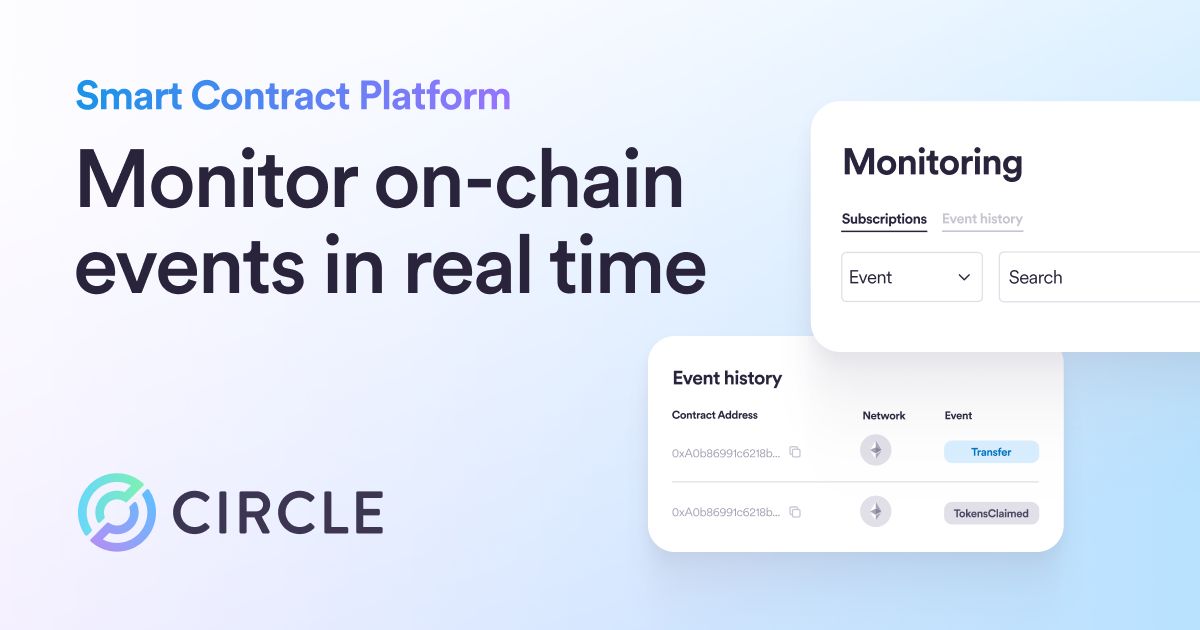
Essential hardware for monitoring
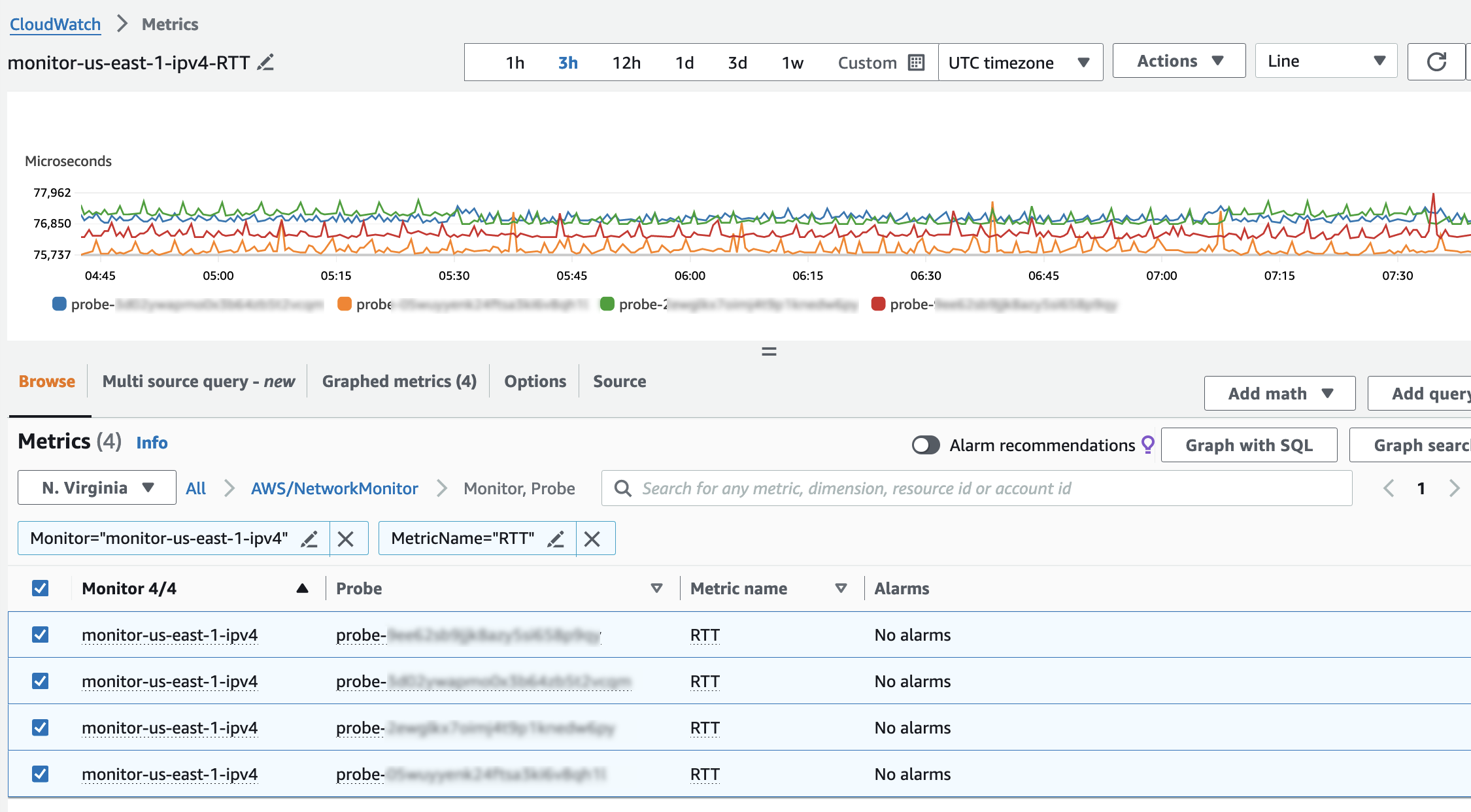
While software tools handle the logic, reliable hardware ensures your monitoring infrastructure stays online. For developers running local nodes or running high-frequency monitoring scripts, a stable connection and sufficient processing power are critical.


As an Amazon Associate, we may earn from qualifying purchases.
Setting up event signatures and alerts
Configuring monitoring requires precision. Smart contracts emit thousands of events, but only a few signal potential threats or critical state changes. Your goal is to filter noise and capture the specific data points that matter for security and operational integrity. This process involves defining exact event signatures, understanding log structures, and configuring alerts that trigger immediate action.
Start by identifying the events that indicate system health or risk. Common targets include Transfer, Approval, OwnershipChanged, or custom events like EmergencyPause. You need the full signature, including parameter types, to correctly decode logs. For example, Transfer(address,address,uint256) is distinct from Transfer(address,uint256). Using the wrong signature will result in failed decoding or missed alerts.
Review the contract source code or ABI to list all events. Prioritize those affecting asset movement, ownership, or access control. Document the full signature for each, including indexed and non-indexed parameters. This list becomes your baseline for monitoring rules.
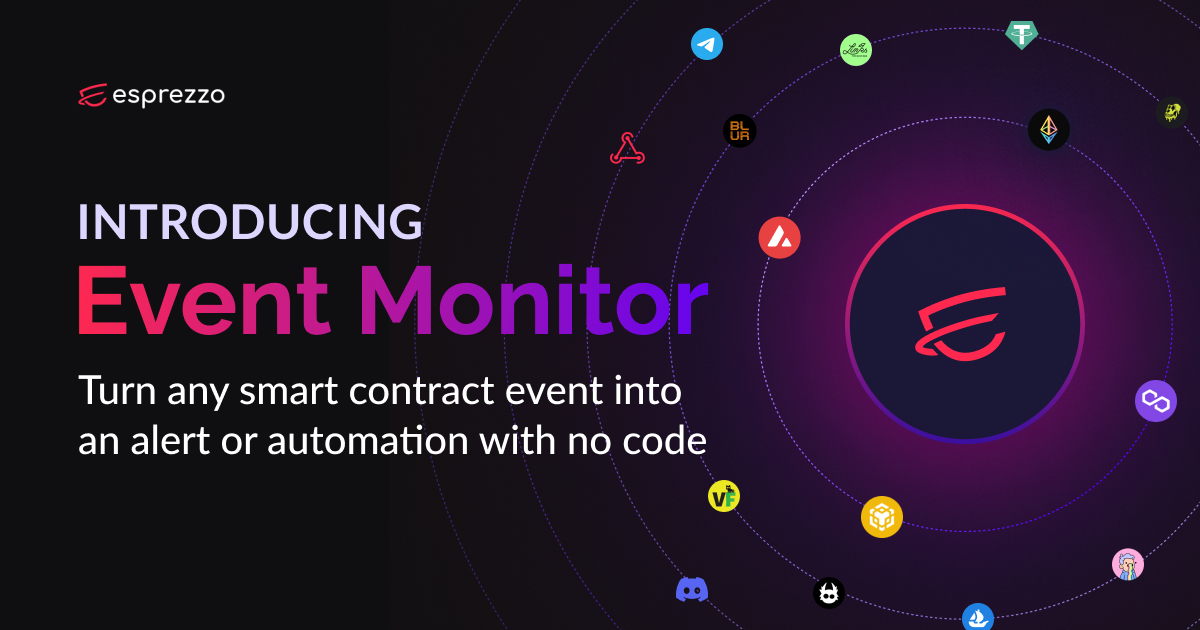
Use tools like OpenZeppelin Defender or custom RPC queries to set up log filters. Specify the event signature and any indexed parameters as filters. This reduces the volume of data you process by only retrieving logs that match your criteria. For instance, filter for Transfer events from a specific wallet address.

Define conditions that trigger notifications. These can be simple, like any OwnershipChanged event, or complex, such as a Transfer exceeding a certain value within a short time window. Integrate these with communication channels like Slack, Discord, or email to ensure immediate visibility.
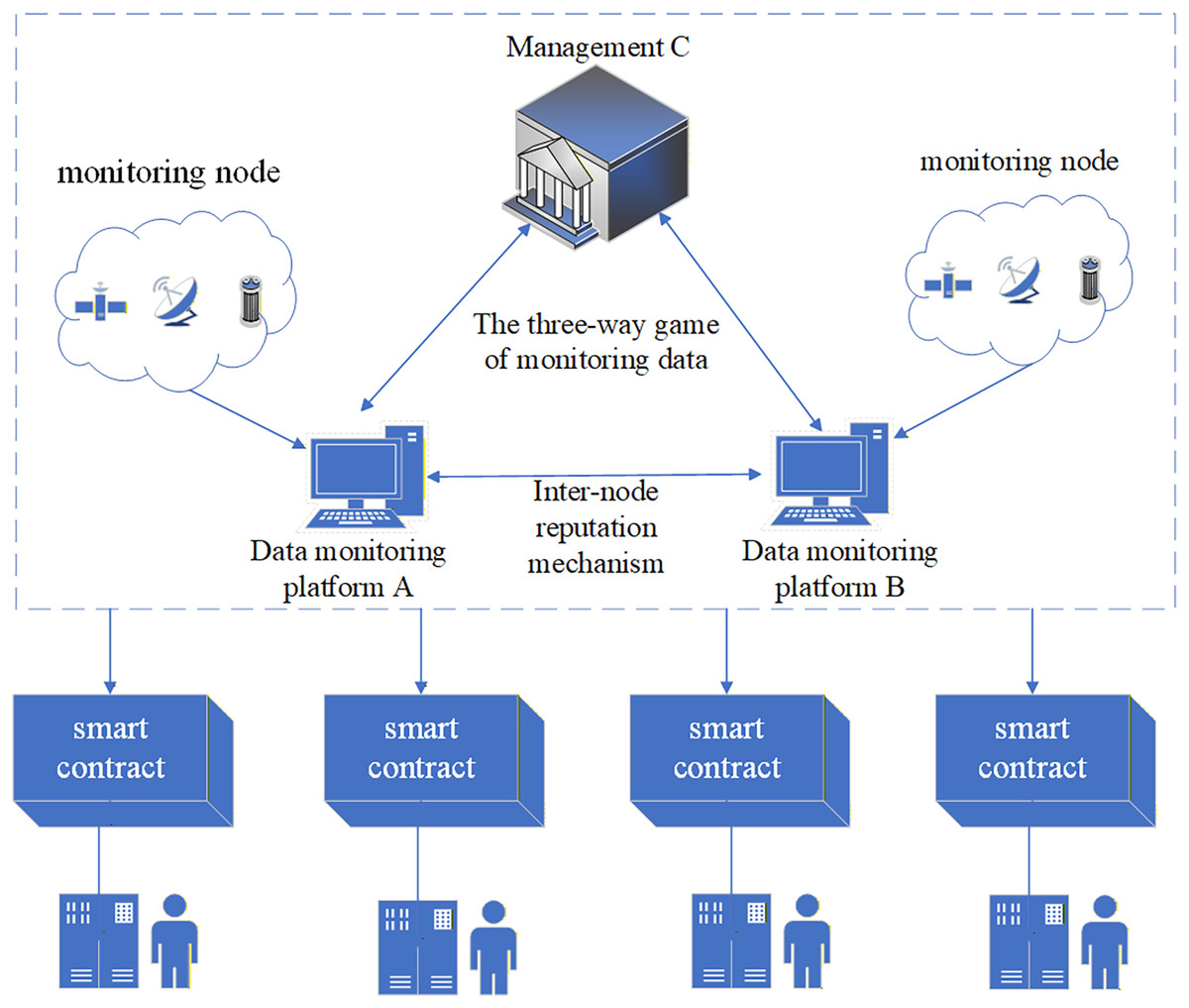
Simulate transactions to ensure your filters and alerts work as expected. Verify that logs are decoded correctly and notifications are sent without delay. Adjust thresholds to minimize false positives while capturing genuine anomalies. Regularly review alert history to refine your monitoring strategy.
Effective monitoring is not just about catching errors; it’s about maintaining visibility into contract behavior. By focusing on specific event signatures and reducing noise, you create a reliable system that alerts you to issues before they escalate. This approach balances thoroughness with efficiency, ensuring you stay informed without being overwhelmed by data.
Common monitoring pitfalls to avoid
Even with robust infrastructure, monitoring strategies can fail due to human error or configuration oversights. The most frequent mistake is over-monitoring. When you subscribe to every event signature, you create noise that drowns out critical signals. Alert fatigue sets in quickly, causing teams to ignore warnings until it is too late. Focus only on high-value state changes, such as ownership transfers or large token movements, rather than every minor interaction.
Another critical error is ignoring testnet data. Testnets are not just for developers; they are safe environments to verify that your monitoring scripts correctly parse log data and event arguments. If your script fails to decode a function call on Sepolia, it will likely fail on Mainnet during a live exploit. Always validate your event signature matching logic against known testnet transactions before deploying to production.
Finally, relying on unverified sources for contract addresses or ABI definitions is dangerous. Attackers often deploy proxy contracts with similar names or use obfuscated logic to hide malicious intent. Always cross-reference contract addresses with official documentation or primary source repositories. Using a trusted block explorer to verify the source code and constructor arguments ensures you are monitoring the correct contract.
"The best monitoring system is the one you actually read. If your alerts are noisy, you will stop paying attention."
By narrowing your focus to high-impact events and validating your tools on testnets, you build a resilient monitoring strategy. This approach reduces false positives and ensures that when an anomaly occurs, your team is ready to respond immediately.
No comments yet. Be the first to share your thoughts!