Why real-time monitoring matters now
Smart contract auditing is a snapshot, not a shield. Audits catch structural flaws and logic errors before deployment, but they cannot predict how a contract will behave under live market conditions or against novel attack vectors that emerge after the code goes on-chain. Once deployed, your contract is exposed to a dynamic environment where gas prices fluctuate, liquidity shifts, and adversaries constantly probe for weaknesses.
Post-deployment visibility is not optional; it is the second line of defense. Without real-time monitoring, you are blind to reentrancy attempts, oracle manipulation, or unexpected state changes until the transaction is confirmed and the damage is irreversible. Think of monitoring as the security camera system for your vault: the audit ensures the vault door is built correctly, but monitoring watches who tries to open it and how.
For developers and security engineers, this means shifting focus from purely pre-deployment checks to continuous runtime observation. Tools like Tenderly and OpenZeppelin Defender provide the infrastructure to simulate transactions before they hit the mainnet and to trigger automated responses when anomalies are detected. This proactive stance transforms security from a reactive cleanup operation into a controlled, monitored process.
Core Components of Monitoring Infrastructure
Effective smart contract monitoring relies on a three-part stack: RPC nodes for data ingestion, log parsers for interpretation, and alerting engines for action. Skipping any layer creates blind spots that attackers exploit. This guide focuses on the operational setup rather than theoretical definitions, assuming you understand the basics of Solidity and EVM execution.
RPC Nodes: The Data Ingestion Layer
RPC nodes are your primary connection to the blockchain. For monitoring, you need nodes that support high-throughput log fetching and historical state queries. Public endpoints often throttle requests or drop historical data, making them unreliable for security monitoring.
Use dedicated providers like Alchemy, Infura, or QuickNode for mainnet data. For testnet or private chain monitoring, run your own Geth or Erigon nodes. Ensure your node configuration allows access to eth_getLogs with broad filter ranges, as security events often span multiple blocks. Rate limiting on your node provider can cause missed events during high-traffic periods, so monitor your API usage closely.
Log Parsers: Interpreting Event Data
Smart contracts emit events, not raw data. Log parsers translate these events into structured objects your alerting engine can understand. The primary challenge is handling event signatures and indexed parameters correctly.
OpenZeppelin’s contracts emit standardized events like Transfer and Approval. Use libraries like ethers.js or web3.js to decode these logs. For custom contracts, you must manually define the ABI. Focus on parsing indexed parameters first, as they are cheaper and faster to retrieve. Non-indexed parameters require full log decoding. Optimize your parser to handle event signature collisions, especially when interacting with multiple contracts.
Alerting Engines: Actionable Notifications
The alerting engine processes parsed logs and triggers actions based on predefined rules. It connects your data ingestion to your response workflow. Common engines include Sentry, PagerDuty, or custom Slack/Discord bots.
Configure rules for critical events: large token transfers, ownership changes, or unexpected function calls. Use threshold-based alerts to reduce noise. For example, trigger an alert only if a transfer exceeds $10,000 USD. Integrate with your incident response plan to ensure alerts lead to action, not just notification. Test your alerting pipeline with synthetic transactions to verify reliability.


As an Amazon Associate, we may earn from qualifying purchases.
Top smart contract monitoring tools
Choosing the right monitoring infrastructure depends on whether you need deep transaction simulation, automated remediation, or simple event alerting. The market has consolidated around a few robust platforms that handle the heavy lifting of indexing and alerting. Below is a comparison of the leading tools for 2026, focusing on practical deployment capabilities.
OpenZeppelin Defender
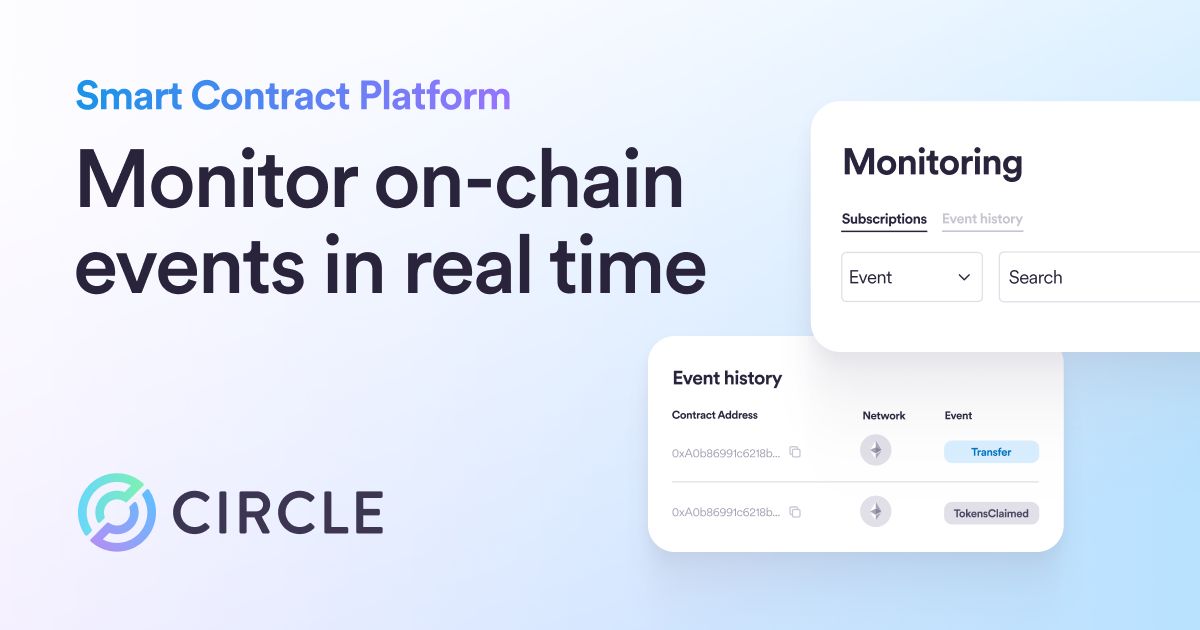
OpenZeppelin Defender is the industry standard for automated contract management. Its Monitor feature allows you to track transactions and events across multiple chains using customizable templates. It excels in integration with OpenZeppelin Upgrades and Defender’s automated execution tasks, making it ideal for teams that need to react to events with immediate on-chain actions. The platform offers a free tier for basic monitoring, with paid plans scaling for high-throughput contracts.
Tenderly
Tenderly focuses on real-time blockchain monitoring and incident management. It provides a full-stack development environment that includes transaction simulation, debugging, and alerting. Tenderly is particularly strong for frontend and backend developers who need to ensure dApp performance and catch anomalies before they impact users. Its alerting system is highly configurable, allowing for complex logic triggers. While it offers a generous free tier, advanced features like custom alerting and higher data retention require a paid subscription.
Comparison of Monitoring Tools
The following table breaks down the core differences between these platforms to help you select the right fit for your infrastructure.
| Tool | Cost | Chain Support | Alert Latency |
|---|---|---|---|
| OpenZeppelin Defender | Free / Paid | Multi-chain (EVM) | Near real-time |
| Tenderly | Free / Paid | Multi-chain (EVM) | Real-time |
| Moralis | Free / Paid | Multi-chain (EVM + Non-EVM) | Near real-time |
| Alchemy | Free / Paid | Multi-chain (EVM + Non-EVM) | Near real-time |
Setting up event-based alert rules
Static price tracking is insufficient for smart contract security. You need to monitor the actual state changes—transfers, approvals, and ownership modifications—that define contract behavior. By configuring event-based alerts, you shift from reactive damage control to proactive threat detection.
The following steps outline how to configure these rules using OpenZeppelin Defender, the industry standard for automated monitoring. This approach ensures that your infrastructure reacts to on-chain activity before it becomes a critical incident.
Before creating rules, you must specify the contract address and the blockchain network. Defender supports multiple chains, but consistency is key. Ensure the RPC node you are using is stable and can handle the event indexing load without dropping blocks. If you are monitoring a newly deployed contract, verify that the transaction has been sufficiently confirmed before setting up the monitor to avoid false positives from chain reorganizations.

Not every event warrants an alert. Focus on high-impact functions like OwnershipTransferred, Transfer (for large values), or Approval. You can filter by specific event signatures to reduce noise. For example, if you are monitoring a token contract, set a threshold for Transfer events that exceed a certain token amount. This precision prevents alert fatigue and ensures that your team only responds to significant state changes.
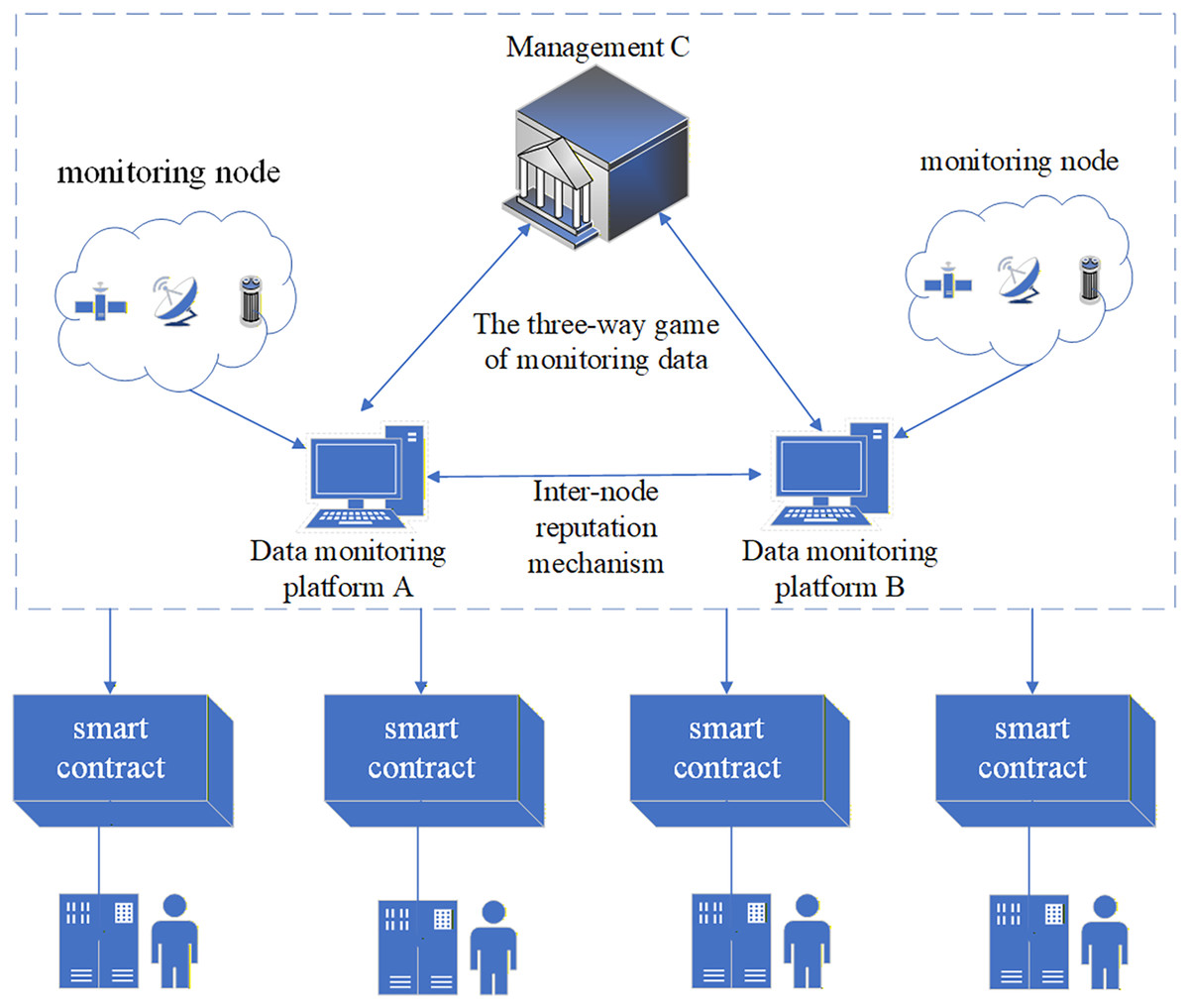
Define where the alerts should go. Defender integrates with Slack, Discord, and email, allowing you to route alerts based on severity. Critical events like ownership changes should trigger immediate Slack notifications with high priority, while routine transfers might go to a lower-priority channel or be aggregated. Test these channels by triggering a test event to ensure the payload is formatted correctly and reaches the right recipients.
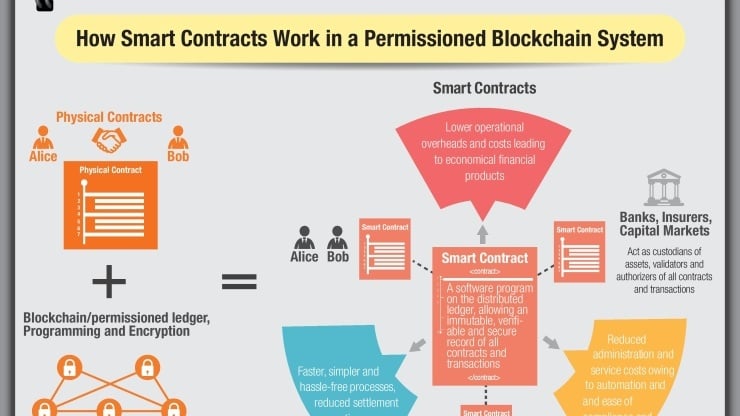
The most powerful feature is the ability to trigger automated actions. If a large unauthorized transfer is detected, you can configure Defender to automatically pause the contract or revoke permissions. This reduces the window of exposure from minutes to seconds. Ensure your automated actions have proper safeguards, such as requiring a multi-signature confirmation for critical operations, to prevent accidental self-destruction of your protocol.
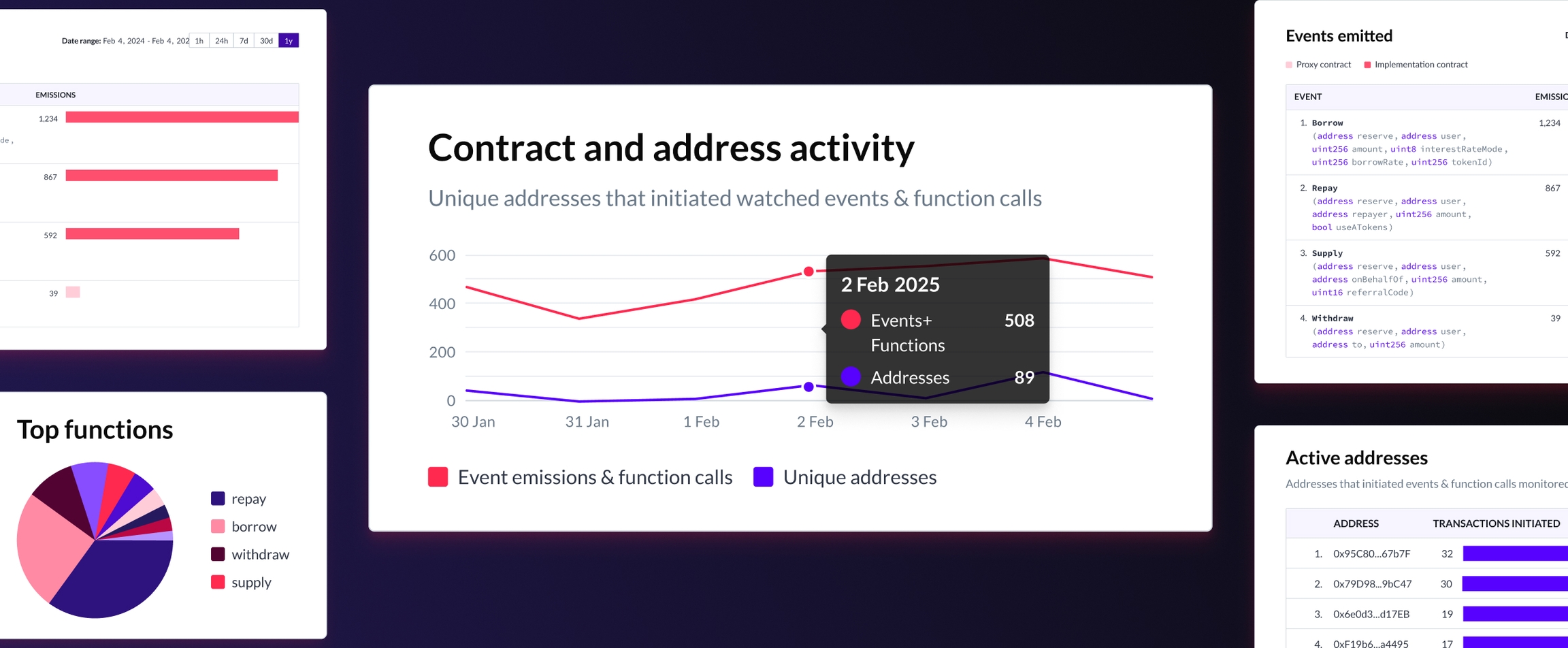
Before deploying your monitor to production, run a comprehensive test suite. Use a testnet environment to simulate various attack vectors and state changes. Verify that the monitor correctly identifies the events and triggers the appropriate notifications and actions. Regularly review the monitor logs to adjust thresholds and refine the rules as your contract’s usage patterns evolve.
Analyzing transaction patterns for risk
Raw data from monitoring tools is noise until you understand the underlying structure. Smart contracts emit events, not transactions, and these events are the only reliable source of truth for on-chain activity. When you analyze transaction patterns for risk, your first step is to understand event signatures. Each function call generates a specific set of logs that describe state changes. If you see an event signature that doesn't match the contract's interface, that is an immediate red flag.
Optimize your data redundancy by looking at the full context of a block. A single transaction might trigger multiple events across different contracts. By correlating these logs, you can reconstruct the full narrative of what happened. For example, a token transfer might be preceded by an approval event and followed by a balance update. If any of these steps are missing or out of order, the transaction is likely anomalous.
Use official documentation from OpenZeppelin and Tenderly to validate expected behaviors. These resources provide the standard event signatures for common ERC standards. Deviations from these standards often indicate custom logic that could be exploited. Focus on identifying anomalies that break the expected flow of state changes.
Market volatility often drives unusual on-chain activity. High gas prices can lead to failed transactions, which might look like attacks if you don't account for them. By contextualizing on-chain activity with market data, you can distinguish between genuine exploits and normal market behavior. Look for spikes in failed transactions during high volatility periods and investigate whether they correlate with known network congestion events.
No comments yet. Be the first to share your thoughts!