Why monitoring matters in zero-trust DeFi
Smart contracts are immutable by design. Once code is deployed to the blockchain, it cannot be patched, rolled back, or easily modified. This permanence is what makes decentralized finance trustworthy, but it also means that a single vulnerability can result in permanent, irreversible loss. Post-deployment monitoring is therefore not an optional feature; it is the only line of defense against exploits.
In a zero-trust environment, you cannot assume that a contract will behave correctly just because it passed initial tests. Attacks often exploit edge cases or logic flaws that only appear under specific market conditions or after a certain volume of transactions. Without continuous observation, these anomalies go unnoticed until the damage is done. The goal of monitoring is to detect these deviations in real-time, allowing for immediate intervention such as pausing the contract or alerting the community.
The stakes are financial and existential. A successful exploit can drain a protocol’s liquidity, erode user confidence, and collapse the associated token value. By establishing robust monitoring infrastructure, you shift from reactive damage control to proactive risk management. This approach aligns with official security standards, which emphasize that security is an ongoing process rather than a one-time audit result.
To visualize the potential impact of such failures, consider the volatility and interconnectedness of DeFi assets. A breach in one major protocol can cascade through the ecosystem, affecting correlated tokens and liquidity pools.
Core infrastructure for event monitoring
Smart contract monitoring relies on a reliable data pipeline. You need to ingest on-chain data efficiently to detect anomalies before they escalate. The technical backbone consists of RPC nodes, indexers, and event logs working together to create a real-time monitoring feed.
Ingesting data with RPC nodes
Remote Procedure Call (RPC) nodes are the entry point for your monitoring system. They allow you to query the blockchain state or request new blocks. For high-frequency monitoring, WebSocket subscriptions offer lower latency compared to standard HTTP polling. WebSockets push updates instantly when a new block is mined, reducing the delay between an event occurring and your system reacting.
Indexing and event logs
Raw RPC data is voluminous and unstructured. Indexers like The Graph or custom ETL pipelines parse this data into queryable formats. They filter for specific event signatures, such as Transfer or Approval, and store them in a database optimized for fast retrieval. This step transforms raw blockchain noise into actionable intelligence, allowing you to query specific contract interactions without scanning every block.
Building the monitoring feed
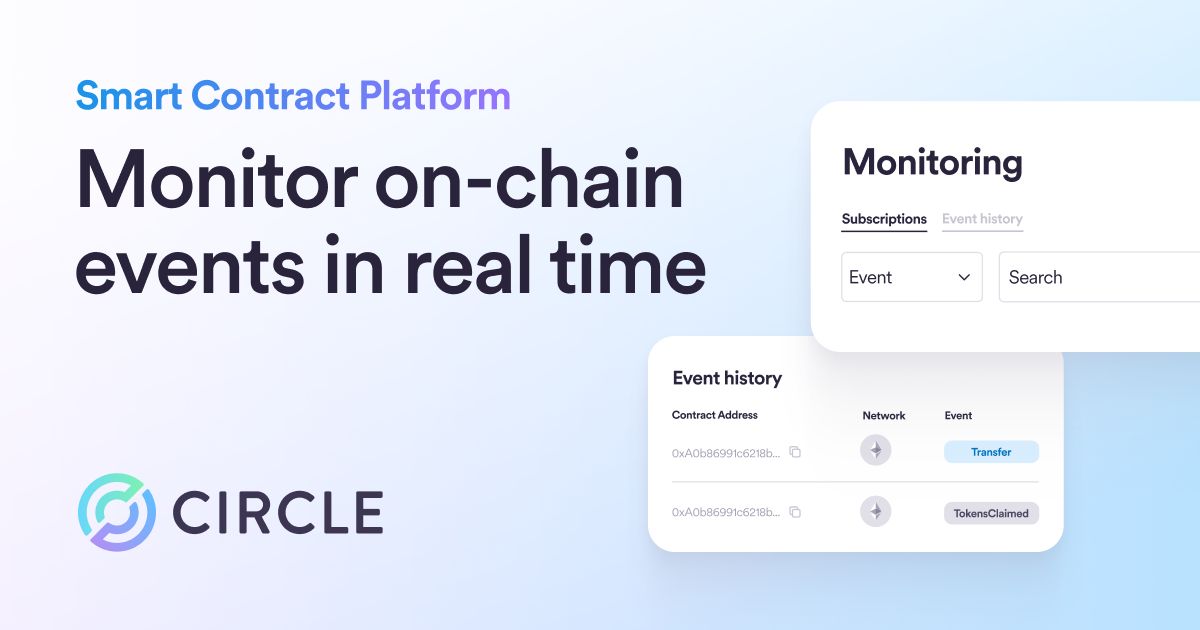
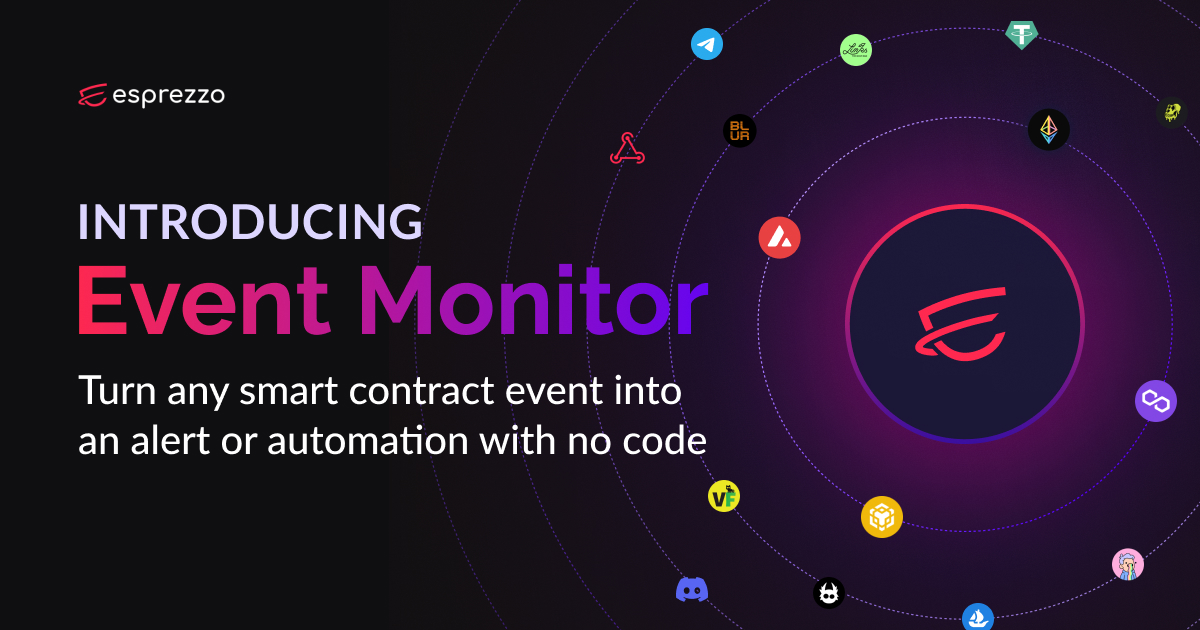
Once data is indexed, you build a monitoring feed that triggers alerts based on predefined rules. OpenZeppelin Defender provides a framework for this, allowing you to define monitors that watch for specific transaction hashes or event logs across multiple chains. The goal is to create a continuous stream of verified events that your security protocols can analyze immediately.
Top tools for automated contract surveillance
Automated monitoring shifts your posture from reactive cleanup to proactive defense. You don’t need to watch every block manually; you need the right infrastructure to flag anomalies before they become insolvencies. The following tools handle the heavy lifting, each specializing in a distinct layer of the surveillance stack: alerting, forensics, and simulation.
OpenZeppelin Defender: Real-Time Alerting
Defender acts as your always-on security guard. It monitors your deployed contracts for specific on-chain activities, such as unexpected state changes or unauthorized function calls. You configure custom rules—like "alert if admin balance drops below 10 ETH"—and Defender triggers an immediate notification via email, Slack, or webhook.
The platform integrates with Tenderly’s simulation engine, allowing you to test how your rules behave in a safe environment before deploying them to mainnet. This reduces false positives and ensures your alerts actually mean something. For detailed configuration steps, refer to the official OpenZeppelin documentation.
Forta: Network-Wide Forensics
While Defender watches your specific contracts, Forta watches the entire network. It is a decentralized bot network that detects threats like hacks, exploits, and policy violations across multiple chains. You don’t build the bots; you consume the alerts from a marketplace of verified security bots.
This approach is vital for broader exposure. If a vulnerability is discovered in a popular DeFi protocol you interact with, Forta bots can alert you instantly, giving you time to withdraw funds or adjust your position. It’s less about customizing your own rules and more about leveraging collective intelligence for real-time threat detection.
Tenderly: Simulation and Debugging
Tenderly provides the simulation layer that makes proactive monitoring possible. Before you deploy a new contract version or execute a high-stakes transaction, Tenderly lets you fork the mainnet and run your code in a sandbox. This reveals potential reverts, gas spikes, or logic errors without risking real capital.
When combined with Defender, Tenderly becomes even more powerful. You can simulate a transaction that triggered an alert, debug the exact state change that caused it, and then automatically execute a remediation transaction if needed. This closed-loop system turns monitoring into active incident response.
Tool Comparison
| Feature | OpenZeppelin Defender | Forta | Tenderly |
|---|---|---|---|
| Primary Function | Custom Alerting | Decentralized Threat Detection | Mainnet Fork Simulation |
| Scope | Your Contracts | Entire Network | Your Transactions |
| Response | Webhook/Email | Bot Marketplace | Debug & Remediate |
| Best For | Immediate, specific rules | Broad, cross-chain threats | Pre-deployment testing |
Setting up alerts and response workflows
Monitoring is only as good as your reaction time. You can track every transaction, but if your Slack channel is buried under noise or your team doesn't know who calls the pause button, the alert is useless. This section outlines how to turn raw on-chain data into actionable intelligence using the infrastructure you've already built.
Most failures happen because of low-level errors, not just major hacks. Configure your monitor to ignore routine transfers and focus on state-changing events. OpenZeppelin Defender allows you to build custom templates that filter by specific event signatures and parameter values. Set thresholds for unusual gas usage or failed transactions that deviate from the norm. If you are monitoring a staking contract, ignore standard deposits; alert only on withdrawals exceeding a set limit or failed claim attempts.
Not all alerts are equal. A failed transaction needs a Discord ping to the dev team, while a large withdrawal needs a Slack message to the operations lead. Integrate your monitoring tool with Slack or Discord using webhooks. Create separate channels for "Critical" (pause required) and "Info" (routine errors). This prevents alert fatigue. When a critical event fires, the message should include the transaction hash, the block number, and the specific parameter that triggered the alert so your team can verify it immediately.
Who has the authority to pause the contract? This must be decided before an incident occurs. Document the chain of command: who is contacted first, who verifies the threat, and who executes the pause. Use OpenZeppelin Defender’s access control to ensure only authorized keys can trigger emergency stops. Test this workflow quarterly. A broken response protocol is worse than no protocol; confusion during a hack costs more than the initial exploit.
After an alert is acknowledged, the workflow isn't complete. Log the response action—whether it was a false positive or a real threat—in your incident tracker. If it was a false positive, adjust your thresholds to prevent recurrence. Consensys best practices emphasize that continuous improvement of your monitoring rules is essential. Regularly review your alert logs to identify patterns. If you get too many false positives, your filters are too loose. If you miss events, they are too tight.
Common pitfalls in contract surveillance
The easiest mistake with Smart Contract Monitoring is letting one attractive listing reset your standards. Compare total cost, seller history, return policy, condition, availability, and long-term upkeep before treating a discount as a win. Do not move forward when the seller is vague about what is included, how delivery works, or what happens if the item arrives in worse condition than promised. Those gaps are usually where the real cost appears.
The simplest way to use this section is to verify the seller, compare the total cost, and resolve the biggest risk before you commit.
Helpful gear
Use these product recommendations as a starting point, then choose the size, material, and price point that fit how you actually use the gear.


As an Amazon Associate, we may earn from qualifying purchases.
No comments yet. Be the first to share your thoughts!