Why monitoring matters now
Smart contracts are immutable once deployed. If a bug slips into production, there is no undo button and no customer support line to call. The stakes are immediate and financial. A single vulnerability can drain a liquidity pool or freeze user funds, turning a technical oversight into a permanent loss.
This is why real-time monitoring is not optional. It is the primary defense layer after deployment. Tools that track gas usage, transaction status, and contract state changes allow teams to spot anomalies before they escalate. Without this visibility, you are flying blind in a high-speed environment.
The landscape of smart contract security has shifted from static audits to continuous observation. Audits catch known patterns, but they cannot predict every edge case or external dependency failure. Active monitoring bridges that gap, offering a dynamic view of your contract’s health in the live environment.
For teams building in 2026, the focus is on concrete tools that integrate directly into your workflow. Whether you are managing a simple token or a complex DeFi protocol, the right monitoring infrastructure provides the clarity needed to act fast. This section outlines the essential tools that make this possible.
Top monitoring platforms compared
Choosing the right smart contract monitoring tool depends on your specific infrastructure needs. Whether you are building a custom dashboard or relying on a managed service, the leading platforms offer distinct advantages in alerting, chain support, and integration depth. We have evaluated the top options based on technical capability and ease of use.
Platform feature breakdown
The table below compares three major infrastructure providers. Each offers a different balance of real-time alerting, historical data access, and developer experience.
| Provider | Alert Types | Supported Chains | Integration Style |
|---|---|---|---|
| Tenderly | Events, balances, invariants, drift | Multi-chain (EVM + ZK) | API + Dashboard + CLI |
| OpenZeppelin Defender | Transactions, events, custom scripts | Multi-chain (EVM + others) | SDK + Web UI |
| SCSFG (Self-hosted/Custom) | Log analysis, event signatures | Depends on node setup | Custom scripts + Libraries |
Tenderly focuses on catching incidents before they impact users. Its strength lies in monitoring invariants and contract drift across every transaction, making it ideal for teams needing deep, real-time visibility. OpenZeppelin Defender is built for operational security, allowing you to monitor transactions and events while simultaneously managing contract upgrades and access control. For teams with specialized node infrastructure, the Smart Contract Security Field Guide (SCSFG) approach emphasizes optimizing data redundancy and understanding event signatures for custom log analysis.
Hardware for secure monitoring
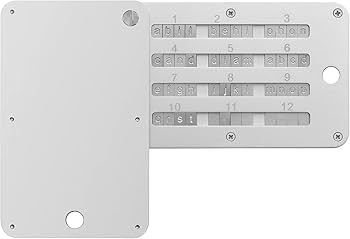
While software is the core of monitoring, securing the keys and nodes that interact with these contracts is equally important. Hardware wallets and air-gapped devices provide the physical layer of security that software alerts cannot replace. Consider equipping your team with dedicated signing devices to manage private keys for monitoring accounts.


As an Amazon Associate, we may earn from qualifying purchases.
These tools ensure that even if your monitoring software is compromised, the keys signing critical transactions remain isolated and secure. Always pair software alerts with hardware-based key management for a complete security posture.
Configure event alerts for your contracts
Monitoring a smart contract isn't just about watching for transactions; it's about catching specific on-chain events that signal action. Whether you are tracking a token transfer, a liquidity pool change, or a governance vote, the setup process requires precision. We will walk through configuring these alerts using OpenZeppelin Defender, a standard tool for this level of technical oversight.
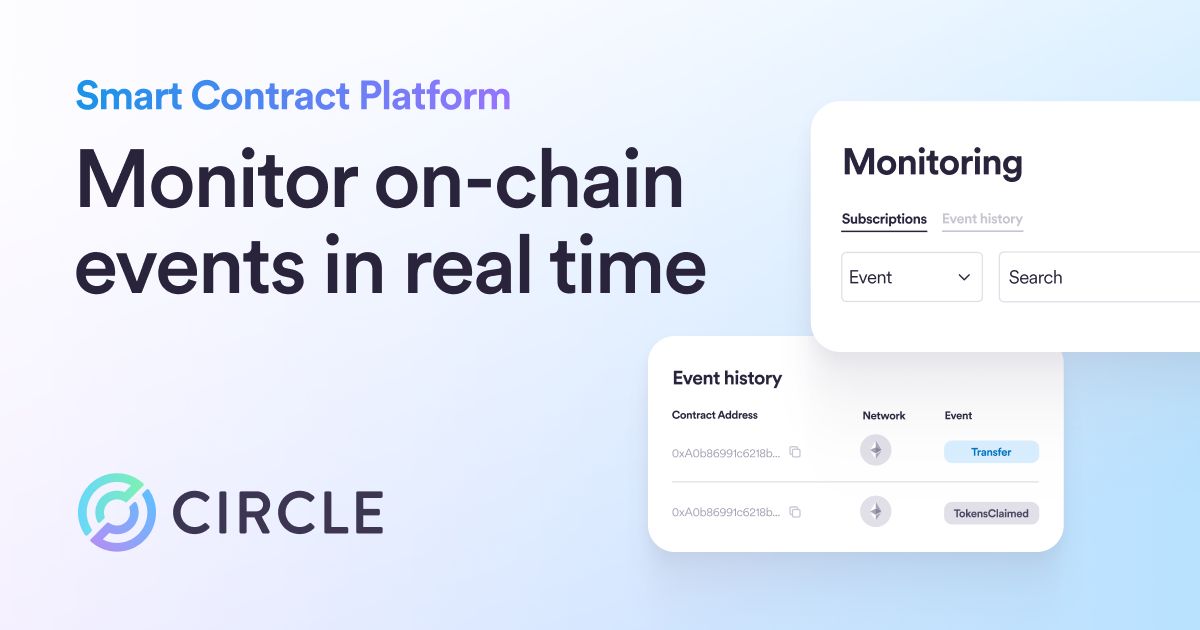
Start by logging into the Defender dashboard. The first technical decision is selecting the correct network. Your contract might live on Ethereum Mainnet, Polygon, or Arbitrum. Ensure your wallet is connected to the same network where your contract is deployed. Mismatched networks are the most common reason alerts fail to trigger.
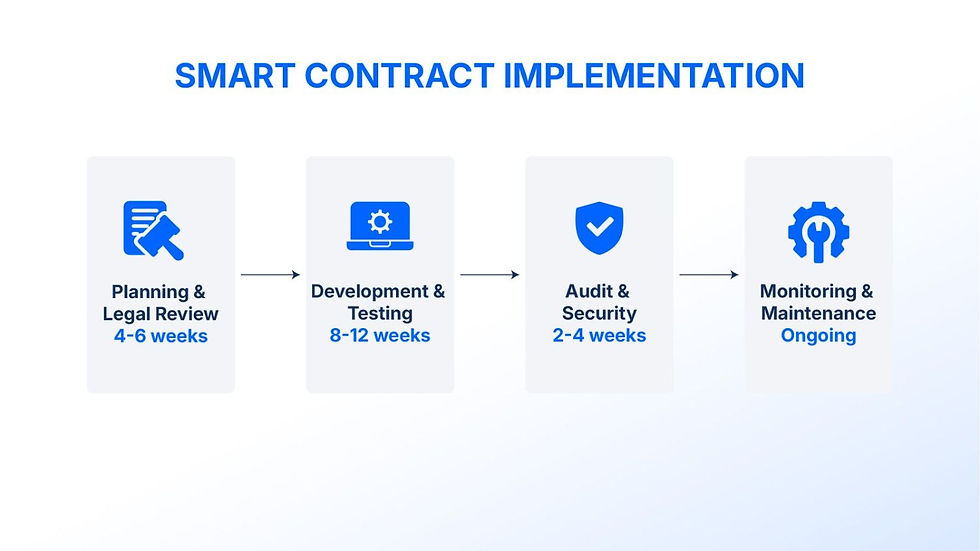
Next, paste your contract's address into the monitor creation form. You will also need the contract's Application Binary Interface (ABI). The ABI tells the monitor what functions and events to look for. If you are using a verified contract on Etherscan, you can copy the ABI directly from the contract page. This step ensures the monitor understands the data structure of your specific smart contract.
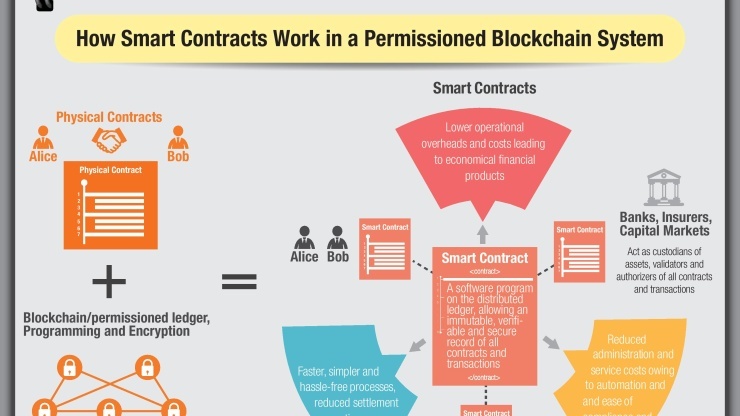
This is the core configuration step. You need to specify which event signature you want to track. For example, if you are monitoring a Uniswap pool, you might filter for the Swap event. You can set conditions on the event parameters, such as amountIn > 10 ETH. This filters out noise and ensures you only get alerts when specific, high-value, or critical actions occur.
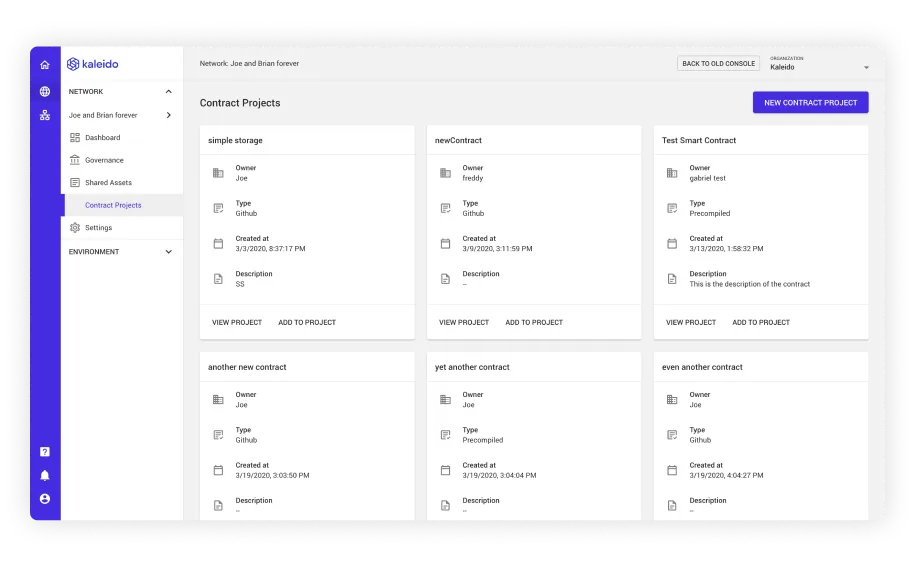
Finally, decide where the alert goes. Defender supports email, Slack, and webhook integrations. For high-stakes monitoring, webhooks are often preferred because they can trigger automated scripts or trigger additional defensive actions in real-time. Test the connection by sending a small transaction on a testnet to verify the alert lands in your chosen channel.
Configuring these alerts correctly reduces the risk of missing critical contract behavior. By focusing on specific events rather than general transaction volume, you maintain a clear signal-to-noise ratio. Always test your configuration on a testnet before deploying to mainnet to avoid false positives or missed alerts due to configuration errors.
Pick a tool that matches your threat model
Choosing the right smart contract monitoring tool starts with defining what you are actually trying to catch. Security-focused platforms like CertiK or SlowMist prioritize deep transaction analysis and known vulnerability signatures, making them ideal for high-value DeFi protocols where a single exploit can drain millions. These tools often feature rigorous manual audits and extensive threat intelligence feeds that track attacker behaviors in real time.
If your priority is operational uptime and gas efficiency, performance-oriented tools like Tenderly or Blocksec’s monitoring suite offer deeper integration with your development workflow. They provide detailed transaction simulations and gas optimization insights, helping you catch logic errors before they hit mainnet. For projects where user experience and cost are paramount, these infrastructure-heavy solutions provide the granular visibility needed to tweak smart contract execution without compromising security.
Consider your team’s technical capacity. Some platforms require extensive configuration and custom rule writing, which demands dedicated engineering time. Others offer out-of-the-box dashboards with pre-built alerts for common attack vectors. Evaluate whether you need a lightweight notification system or a full-blown incident response platform that integrates directly with your Slack or PagerDuty channels.
Ultimately, the best tool is the one your team will actually use. A sophisticated security scanner is useless if your developers ignore its alerts because they are buried in noise. Start with a clear use case, test a few options against your specific contract logic, and choose the solution that provides actionable insights without overwhelming your operations.
How do event signatures and alert latency impact monitoring accuracy?
Smart contract monitoring relies on tracking specific event signatures emitted by your contract. These signatures act as unique identifiers for on-chain actions, allowing tools like Tenderly or SCSF to filter noise and trigger alerts only when relevant state changes occur. Understanding the structure of these events—such as indexed parameters versus non-indexed data—is essential for precise log analysis and avoiding false positives.
Alert latency determines how quickly you react to potential exploits. While some tools offer near-instant block-level monitoring, others may rely on batched data processing that introduces delays. For high-stakes contracts, this window matters. You need a monitoring stack that minimizes the gap between a suspicious transaction and your ability to freeze funds or deploy a countermeasure, ensuring your security posture matches the speed of the blockchain.
No comments yet. Be the first to share your thoughts!