Why monitoring matters now
Smart contract audits are no longer sufficient on their own. They function as static snapshots of your code at a single point in time, capturing vulnerabilities present during the review process but offering no protection once the contract is live. In 2026, the gap between deployment and exploitation is measured in seconds, not days. Attackers use automated tools to scan for known patterns and zero-day exploits immediately after a contract goes on-chain.
Continuous observation acts as the live feed that static audits cannot provide. While audits validate logic and reduce risk before deployment, they cannot monitor the dynamic state of the blockchain or react to evolving threat vectors. Real-time monitoring tracks transactions, analyzes gas usage anomalies, and detects suspicious interaction patterns as they happen. This shift from periodic checks to constant vigilance is essential for high-stakes finance where capital is at immediate risk.
Treating your smart contract as a static asset is a dangerous oversight. You must integrate real-time risk analysis into your operational workflow to identify and mitigate threats before they result in significant losses. The focus must shift from "did we pass the audit?" to "is the contract behaving as expected right now?"
Core infrastructure layers
Effective smart contract monitoring for 2026 requires a layered technical stack that moves beyond simple block scanning. In high-stakes finance, a missed event log or a delayed transaction trace can mean the difference between a successful audit and a drained treasury. You need to build infrastructure that ingests, processes, and alerts on chain data with minimal latency.
The foundation of this stack is event log analysis. Smart contracts emit logs when specific states change, providing a lightweight, indexed record of activity. To monitor these effectively, you must understand event signatures and optimize data redundancy. Tools like the Smart Contract Security Field Guide recommend indexing key parameters to ensure your monitoring bots can filter relevant events without reprocessing the entire blockchain history. This reduces computational overhead and ensures real-time risk analysis.
Beyond logs, transaction tracing is critical for understanding the full execution path. While logs tell you what happened, tracing reveals how state changes occurred, including internal calls and memory accesses. This depth is essential for detecting complex vulnerabilities that don't emit explicit error events. By combining log filtering with transaction-level inspection, you create a safety net that catches both obvious failures and subtle logic exploits.
Connect to reliable node providers to stream new blocks and transactions. Prioritize nodes with low latency and high uptime, as any gap in data ingestion creates a blind spot for risk monitoring.
Filter incoming logs against known event signatures. Index critical parameters like addresses, amounts, and function selectors to enable fast querying and alert triggering.
For high-value transactions, trigger deep traces to analyze internal state changes. This step catches vulnerabilities that do not emit standard events, providing a comprehensive view of contract behavior.
Node reliability is the final pillar. If your monitoring infrastructure relies on a single node provider, you risk missing critical data during network congestion or provider outages. Implement a failover strategy that rotates between multiple nodes or uses decentralized node networks. This ensures that your monitoring system remains active and accurate, even when the underlying blockchain infrastructure experiences turbulence.
The financial stakes of these failures are reflected in market volatility. When smart contracts fail, trust erodes, impacting asset prices directly.
AI-Driven Risk Analysis
Traditional monitoring tools rely on predefined rules, which means they only catch what they already know. AI-driven risk analysis changes the game by detecting anomalous patterns and predicting potential exploits before they execute. Instead of waiting for a transaction to fail, these systems learn normal behavior and flag deviations in real-time.
This approach is critical in high-stakes finance. A single anomaly can signal a sophisticated attack vector that static rules would miss. By analyzing transaction flows, gas usage, and interaction patterns, AI models can identify suspicious activity with far greater precision than manual audits or simple script-based checks.
The integration of AI doesn't replace human oversight but augments it. It allows teams to focus on genuine threats rather than sifting through false positives. As DeFi protocols grow more complex, relying solely on historical data becomes insufficient. Predictive analytics provide the proactive edge needed to secure assets in a rapidly evolving landscape.
Essential monitoring tools
Finding the right software stack is the difference between catching a reentrancy attack in progress and waking up to a drained treasury. In high-stakes finance, passive observation isn't enough; you need active, real-time risk analysis. The tools below form the backbone of a robust monitoring strategy, ranging from open-source flexibility to enterprise-grade automation.
Open-source and custom solutions
For teams that need granular control, open-source tools like smart-contract-watch offer a lightweight way to track on-chain activity. This GitHub-hosted tool monitors contract interactions based on generated transactions and events, allowing developers to build custom alerts without vendor lock-in. It is ideal for projects where standard SaaS platforms lack the specific logic required for complex DeFi protocols.
Enterprise automation platforms
When compliance and audit trails matter as much as speed, platforms like Sirion provide structured contract monitoring. These tools extend beyond simple on-chain tracking to include off-chain document analysis, ensuring that the code matches the legal intent. They reduce risk by automating the validation process, which is critical when dealing with institutional capital or regulated assets.
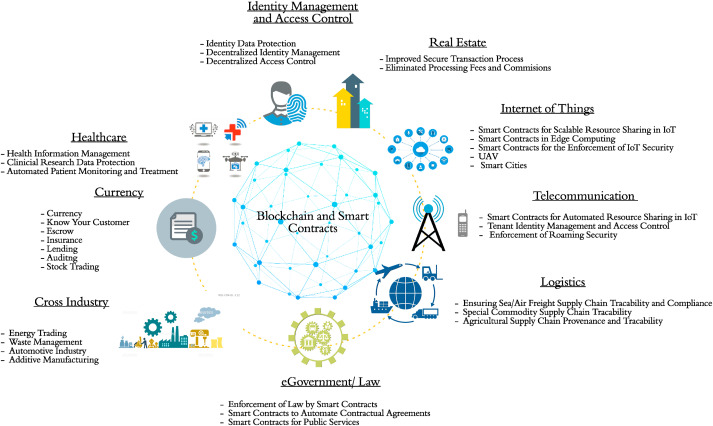
Comparing monitoring capabilities
Choosing between open-source and enterprise solutions often comes down to your team's engineering capacity versus your need for compliance reporting. The table below highlights the primary differences in coverage, speed, and operational cost.
| Tool Type | Coverage | Speed | Cost |
|---|---|---|---|
| Open-Source (e.g., smart-contract-watch) | Customizable | Real-time (manual setup) | Low (engineering time) |
| Enterprise (e.g., Sirion) | Comprehensive (On-chain + Off-chain) | Automated | High (Subscription) |
Hardware and developer resources
Security is only as strong as the human element. While software monitors the code, securing the private keys that deploy and manage it is equally vital. Hardware wallets provide the physical isolation needed to protect admin keys from remote exploits. Additionally, investing in developer books focused on smart contract security ensures your team understands the evolving threat landscape.


As an Amazon Associate, we may earn from qualifying purchases.
Implementation checklist
Deploying a monitoring strategy isn't just about installing software; it's about establishing a reliable nervous system for your smart contract infrastructure. High-stakes finance demands precision, so your workflow must move from static code analysis to continuous, real-time risk assessment. Without a structured implementation plan, alerts become noise and critical warnings get buried.
Follow this ordered workflow to build a resilient monitoring environment that adapts to the evolving threat landscape.
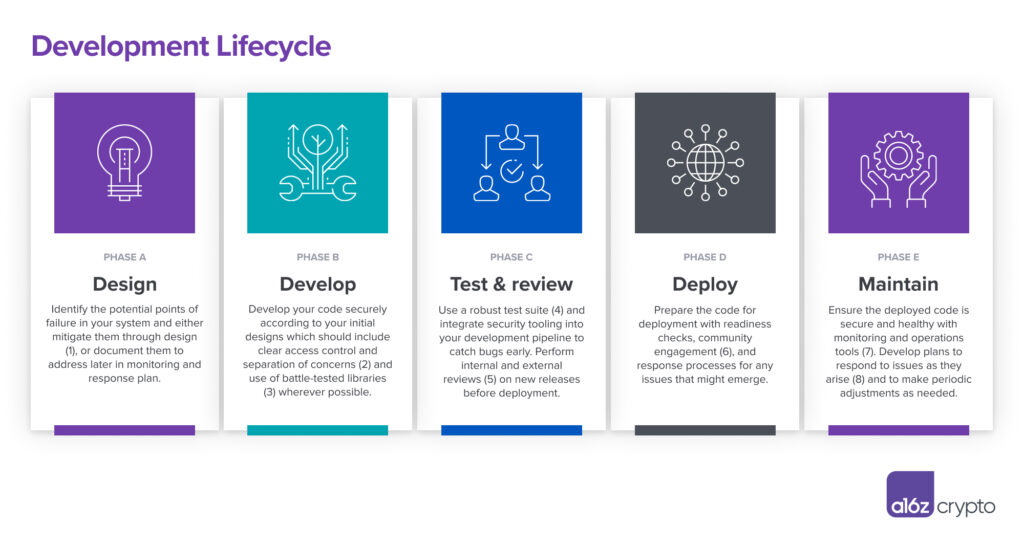
Start by mapping every contract address and wallet interaction that matters to your operation. Choose a monitoring platform that integrates directly with your node provider to ensure low-latency data ingestion. Tools like Forta or Tenderly offer the necessary visibility into transaction execution without introducing significant overhead. Avoid tools that require excessive manual configuration; automation is your first line of defense.
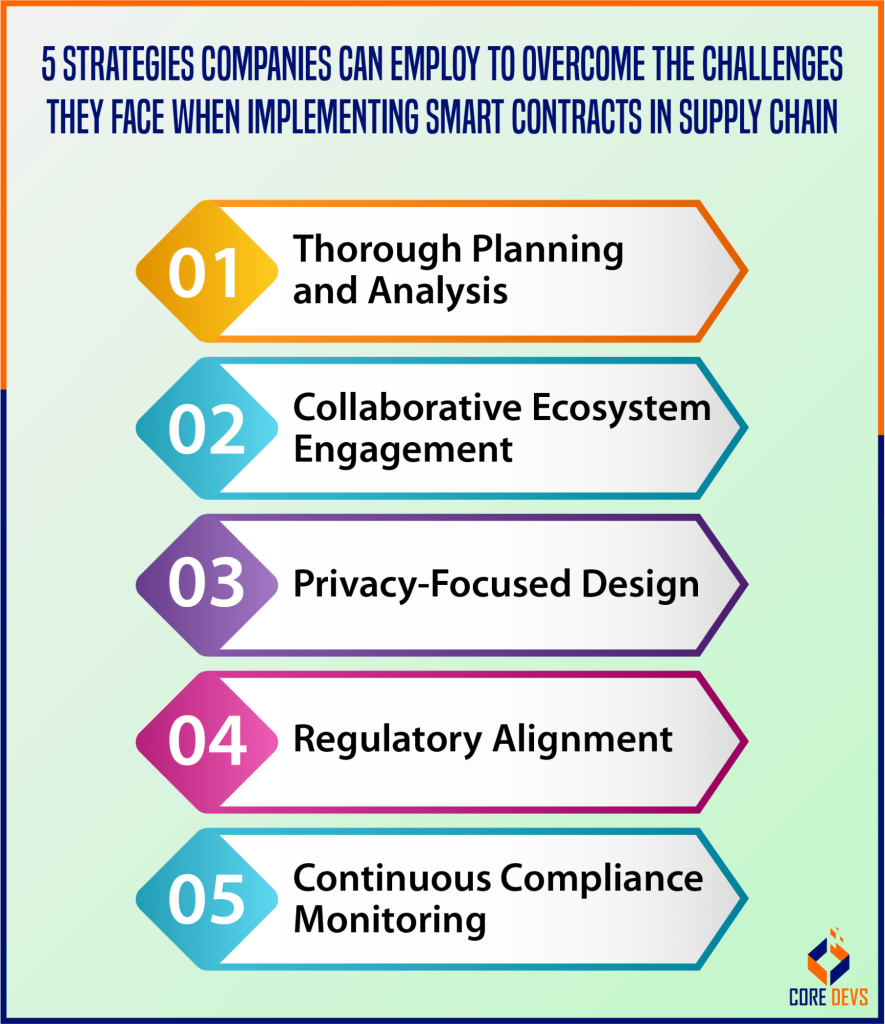
Set specific triggers for anomalous behavior rather than generic status updates. Define clear thresholds for unusual gas consumption, sudden liquidity withdrawals, or failed transaction patterns. These alerts should route immediately to your incident response channel. The goal is to catch deviations before they escalate into exploits, allowing your team to freeze contracts or pause operations if necessary.
Static checks are no longer enough. Implement dynamic risk scoring that evaluates transactions against current threat intelligence feeds. This involves analyzing the behavior of interacting parties and the context of the call stack. By combining on-chain data with off-chain reputation scores, you can distinguish between legitimate high-volume trading and coordinated attack vectors in real time.
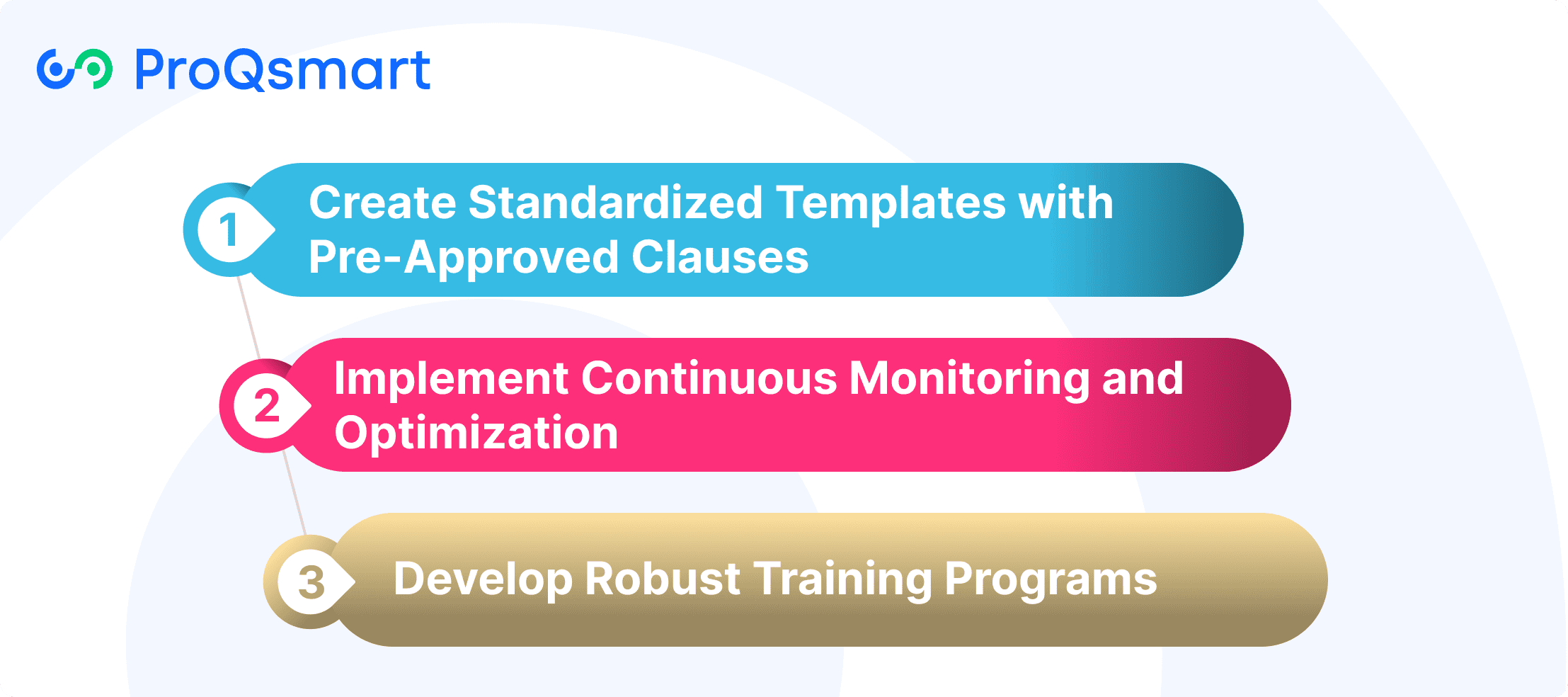
An alert is only as good as the response it triggers. Run regular simulations to test your team's ability to react to triggered warnings. Does the automated mitigation script execute correctly? Can your security team verify the alert and take action within the required timeframe? Document every test to refine your playbook and reduce decision fatigue during an actual incident.
A robust implementation relies on continuous refinement. Regularly review your alert logs to tune thresholds and eliminate false positives. This iterative process ensures your monitoring strategy remains effective as your smart contracts and the broader blockchain ecosystem evolve.
Common monitoring: what to check next
We receive specific questions about tooling and workflows constantly. Here are the answers that matter most for high-stakes finance contexts.
No comments yet. Be the first to share your thoughts!