Why monitoring replaces static audits
A smart contract audit is a snapshot of code at a single point in time. It tells you what is wrong with the contract before it goes live, but it says nothing about how the contract behaves once it interacts with a volatile, adversarial ecosystem. In 2026, relying on audits alone is like locking your doors but leaving the windows open. The security baseline has shifted from static verification to continuous monitoring.
Static audits are essential for catching logic errors and known vulnerability patterns during development. However, they cannot predict runtime conditions. Market conditions change, new exploit vectors emerge, and protocol interactions evolve. A contract that is secure at deployment can become vulnerable the moment market volatility triggers a specific sequence of transactions. Continuous monitoring captures this flow of value and logic errors in real-time, providing the only effective defense against post-deployment threats.
Monitoring transforms security from a periodic compliance exercise into an active operational layer. By tracking on-chain events, transaction patterns, and protocol interactions, a smart contract monitoring strategy identifies anomalies before they result in significant loss. This approach aligns with governance, risk, and compliance (GRC) frameworks that demand ongoing adherence to legal and internal standards rather than one-time certification.
The distinction is critical for high-stakes decisions. Audits reduce initial risk; monitoring manages ongoing risk. Without a robust monitoring strategy, even the most thoroughly audited contract remains exposed to the dynamic realities of the blockchain environment. Security is no longer a product you buy; it is a process you maintain.
Core Components of the Monitoring Stack
A robust smart contract monitoring strategy relies on a layered technical infrastructure. You need three distinct pieces working in concert: reliable data ingestion, structured data interpretation, and active event detection. If any layer fails, you lose visibility into your contract's state.
RPC Nodes: The Data Foundation
Your monitoring begins with the Remote Procedure Call (RPC) node. This is your direct line to the blockchain. For a serious monitoring strategy, you cannot rely on public, rate-limited endpoints. You need dedicated, high-throughput nodes that guarantee uptime and consistent block finality. When market volatility spikes, as the Ethereum price chart below illustrates, public nodes often throttle or drop connections. A dedicated node ensures your monitoring scripts keep running when it matters most.
Indexers: Structuring the Chaos
Raw blockchain data is unstructured and heavy. Indexers like The Graph or custom ETL pipelines translate raw logs into queryable databases. Instead of scanning every block from genesis, your strategy should query an indexer for specific contract states. This reduces latency and computational cost, allowing your monitoring tools to react to state changes in near real-time rather than hours later.
Event Listeners: The Early Warning System
Smart contracts emit events (logs) when significant actions occur, such as token transfers, ownership changes, or liquidity pool updates. Monitoring these events is more efficient than polling contract storage. By subscribing to specific event signatures, your system can trigger alerts or automated responses immediately. As noted in the Smart Contract Security Field Guide, optimizing how you handle this data redundancy is critical for maintaining a clean signal in a noisy network.
Comparing monitoring tool capabilities
Choosing the right infrastructure provider is less about brand recognition and more about matching specific monitoring depth to your stack's risk profile. A smart contract monitoring strategy that works for a simple ERC-20 transfer may fail catastrophically when tracking complex DeFi composability or internal transaction flows. The gap between basic RPC polling and deep event tracing is where most security blind spots live.
We are comparing three leading infrastructure providers based on their actual capabilities for 2026. The focus is on event tracking depth, API latency, compliance reporting, and supported chains. These factors determine whether your team can react to exploits in seconds or days.
| Provider | Event Tracking Depth | API Latency | Compliance Reporting | Supported Chains |
|---|---|---|---|---|
| Circle | High (State changes) | Low | Strong (KYC/AML) | EVM, Solana |
| Tenderly | Deep (Internal txs) | Medium | Moderate | Multi-chain EVM |
| TRM Labs | High (Graph) | High | Strong (Enforcement) | Multi-chain |
Circle’s Event Monitoring focuses heavily on tracking on-chain events and state changes, making it particularly effective for compliance-heavy environments where regulatory alignment is paramount [src-serp-3]. Their infrastructure is optimized for speed and clarity on major EVM chains and Solana, providing low-latency access to critical state shifts.
Tenderly differentiates itself by exposing internal transactions and complex execution traces. This depth is essential for debugging and monitoring smart contracts that rely on intricate internal logic, though it may introduce slightly higher API latency compared to simpler RPC providers [src-serp-5].
TRM Labs approaches monitoring from a graph-based perspective, emphasizing enforcement and broad multi-chain coverage. Their strength lies in connecting disparate transactions across a wide network of chains, which is vital for high-stakes risk mitigation and forensic analysis [src-serp-6].
Feeding Monitoring Data into GRC Workflows
A smart contract monitoring strategy loses its value if the data stays isolated in a security dashboard. To make monitoring useful for Governance, Risk, and Compliance (GRC), you must feed event logs and anomaly alerts directly into your existing compliance workflows. This turns raw blockchain activity into auditable evidence that legal and risk teams can actually use.
The primary goal is to bridge the gap between technical signals and regulatory requirements. When a monitoring tool detects a contract interaction that violates a predefined policy—such as an unauthorized transfer or a deviation from expected gas usage—that event should automatically trigger a ticket in your GRC platform. This creates a closed loop where technical monitoring informs legal oversight, ensuring that every on-chain action is reviewed against internal standards and external regulations.
This integration requires mapping on-chain events to specific compliance controls. Instead of manually reviewing transaction hashes, your system should tag alerts with metadata that aligns with your governance framework. For example, a sudden spike in contract calls might be flagged as a potential liquidity risk, while an unusual token transfer could be logged as a potential regulatory breach. By standardizing these tags, you ensure that compliance officers are looking at the right data at the right time.
Continuous monitoring is not just about detecting hacks; it is about maintaining ongoing adherence to legal and internal standards. When your monitoring tools speak the same language as your GRC software, you reduce the time spent on manual reconciliation and increase the accuracy of your compliance reports. This alignment is essential for demonstrating due diligence to regulators and stakeholders in an increasingly scrutinized digital asset landscape.
Implementing your monitoring checklist
A robust smart contract monitoring strategy relies on verifying that your infrastructure can detect anomalies before they become exploits. Use this checklist to audit your current setup against industry best practices.
Ensure your nodes have high availability. Configure failover mechanisms to switch between providers if one RPC endpoint goes down, preventing blind spots during critical transactions.
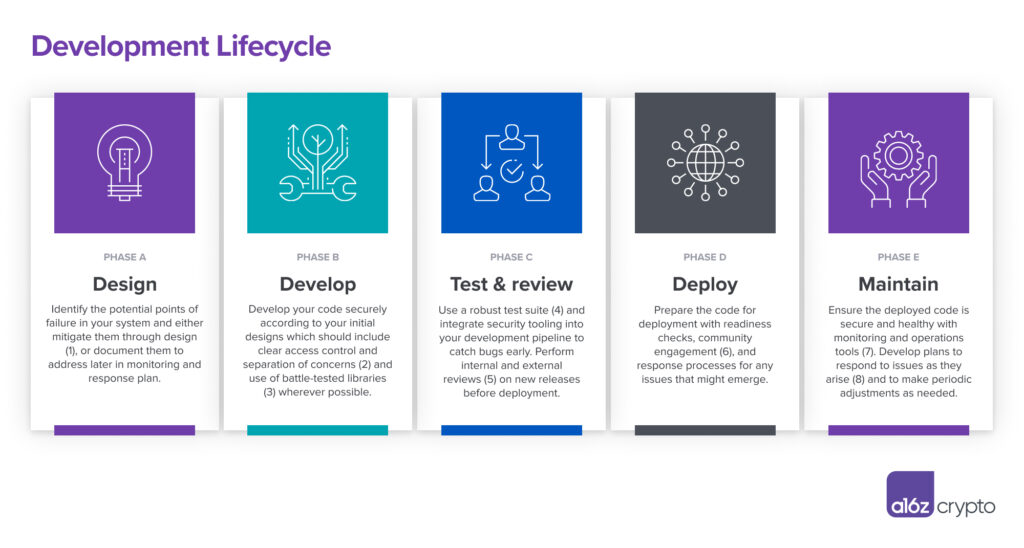
Simulate attack vectors to validate your alerting logic. Adjust sensitivity levels to balance false positives against actual threats, ensuring your team responds to genuine risks without alert fatigue.
As noted in the Smart Contract Security Field Guide, understanding event signatures is essential for accurate log analysis. Ensure your monitoring tools are indexed and filtering the correct function hashes and topics.
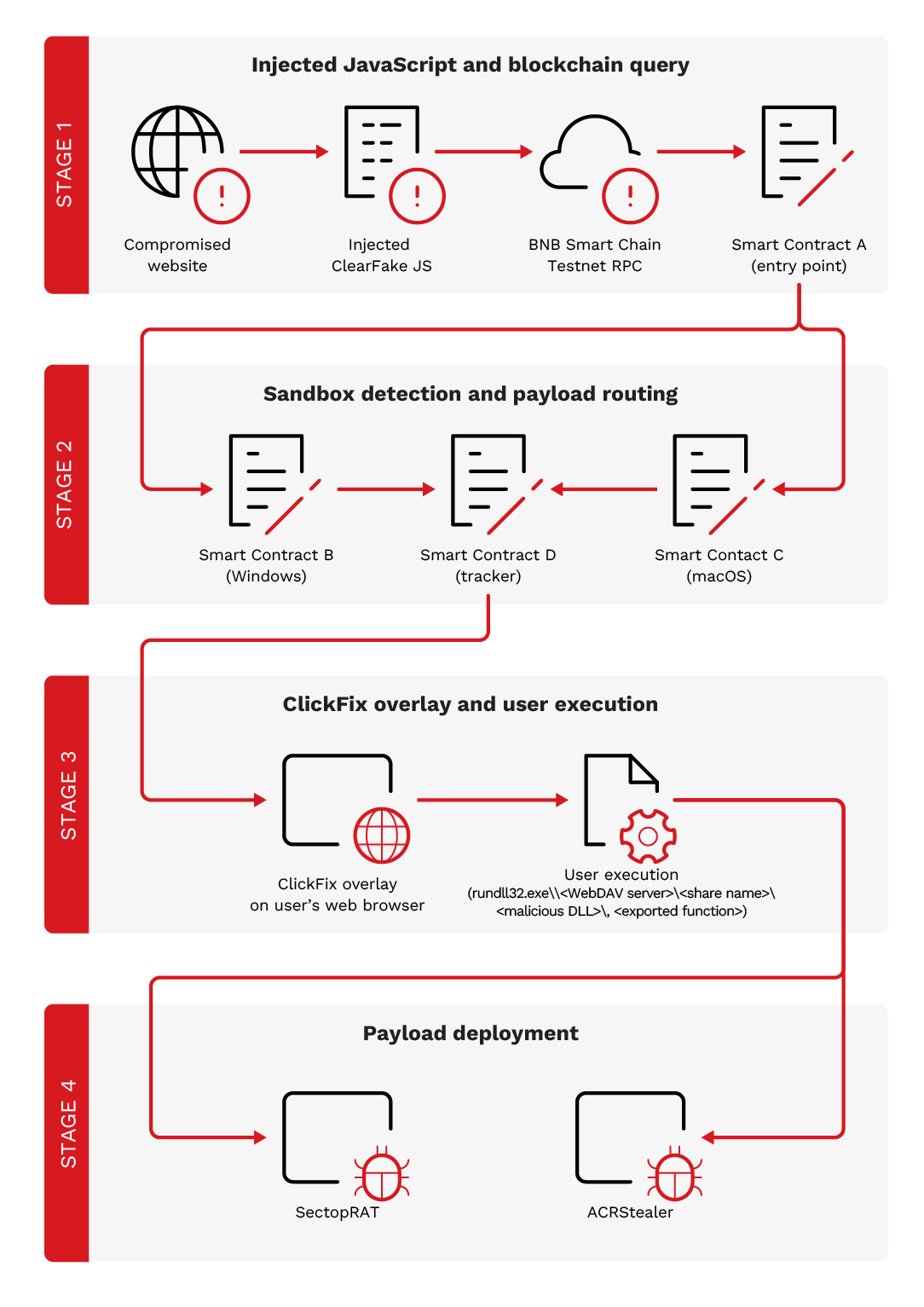
Verify that external data feeds and oracle connections are secure and consistent. Check that your off-chain data sources have sufficient redundancy and that any discrepancies trigger immediate investigation.
Smart contract monitoring: what to check next
As the landscape of decentralized finance matures, developers and security teams face specific technical hurdles that generic AI tools cannot solve. Understanding the limitations of automated auditing and the precise lifecycle of on-chain logic is essential for building a resilient monitoring strategy.
Helpful gear
Use these product recommendations as a starting point, then choose the size, material, and price point that fit how you actually use the gear.


As an Amazon Associate, we may earn from qualifying purchases.
No comments yet. Be the first to share your thoughts!