Why monitoring matters now
Smart contracts are immutable by design. Once deployed, the code cannot be changed to patch a flaw or stop an exploit. This permanence makes post-deployment monitoring non-negotiable. You are no longer just building software; you are managing live financial infrastructure where the only way to fix a bug is to migrate users to a new contract or execute a pre-planned emergency pause.
The landscape of 2026 demands continuous vigilance. As highlighted by security experts at Hacken and Numen Cyber, static audits before launch are no longer sufficient. Attackers are increasingly using automated tools to probe for known vulnerabilities in real-time. Without continuous monitoring, you are blind to suspicious activities, anomalies, or the early signs of a drain attack until the funds are already gone.
Think of your smart contract like a vault. The audit was the inspection of the lock before you installed it. Monitoring is the security camera and alarm system that watches the vault 24/7. If a thief picks the lock, the camera doesn't stop the theft, but it allows you to react instantly, freeze the transaction, and trace the attacker's steps. In high-stakes finance, speed of detection is the difference between a recoverable incident and a total loss.
Core infrastructure layers for monitoring
Building a reliable monitoring system requires stitching together three distinct technical layers: the data source, the indexer, and the analysis engine. If any layer fails, you lose visibility into contract state. This is not just about watching for errors; it is about reconstructing the full history of on-chain activity to detect subtle anomalies before they become exploits.
Reliable RPC node access
The first layer is the RPC node, which serves as your direct line to the blockchain. For high-stakes monitoring, you cannot rely on public, rate-limited endpoints. You need dedicated, redundant node providers that guarantee uptime and consistent block inclusion data. When a node drops a block or delays a response, your monitoring scripts go blind, creating a window where an attacker can slip through unnoticed.
Redundancy is non-negotiable here. Most professional setups route traffic through multiple node providers simultaneously. If one provider fails or throttles your requests, the system automatically fails over to the next available endpoint. This ensures that your monitoring logic receives every transaction and state change without interruption, even during network congestion or provider outages.
Event indexing and log analysis
Raw blockchain data is dense and difficult to parse in real-time. This is where event indexing comes in. Instead of scanning every block for specific contract interactions, you use indexers to filter and store relevant events in a queryable database. This transforms raw hex data into structured logs that your analysis engine can process efficiently.
Understanding event signatures is critical. Each event emitted by a smart contract has a unique hash, known as the topic. By filtering on these topics, you can isolate specific actions, such as token transfers or ownership changes, without processing irrelevant data. This optimization reduces latency and computational costs, allowing your system to react to events in near real-time.
Integration and alerting
The final layer connects your indexed data to your alerting mechanisms. This involves setting up triggers that respond to specific log patterns or state changes. For example, if a contract emits an event indicating an unusually large transfer, your system should immediately flag this for review. The speed and accuracy of this integration determine how effectively you can respond to potential threats.
Essential monitoring tools
Smart contract monitoring is the difference between catching a reentrancy attack in progress or waking up to an empty treasury. The right tools don't just watch; they translate raw on-chain data into actionable alerts. Below are the specific platforms that power modern infrastructure for this task.
OpenZeppelin Defender
OpenZeppelin Defender is the industry standard for teams that need to monitor transactions and events across multiple chains. It allows you to build customized Monitor templates that trigger actions based on specific contract activity. This is particularly useful for enforcing governance decisions or pausing contracts when anomalies are detected. The platform integrates directly with your deployment workflow, ensuring that monitoring logic lives alongside your smart contracts. For a detailed walkthrough on setting up these monitors, see the OpenZeppelin documentation.
Veritas Protocol
Veritas Protocol focuses on automated, AI-driven monitoring that goes beyond simple event logging. It provides a comprehensive guide to automated smart contract monitoring, helping teams identify vulnerabilities and anomalous behavior in real-time. Unlike basic alerting systems, Veritas attempts to contextualize on-chain activity, making it easier to distinguish between a bug and a feature. This approach reduces the noise of false positives, allowing security teams to focus on genuine threats. Their framework is designed to scale with the complexity of modern DeFi protocols.
Comparison of Monitoring Approaches
Choosing the right tool depends on your specific needs for chain support, alerting speed, and integration complexity. The table below compares the core capabilities of the leading platforms.
| Tool | Primary Focus | Chain Support | Alert Type |
|---|---|---|---|
| OpenZeppelin Defender | Transaction & Event Monitoring | Multi-chain | Customizable Triggers |
| Veritas Protocol | Automated AI Analysis | Multi-chain | Anomaly Detection |
Visualizing On-Chain Activity
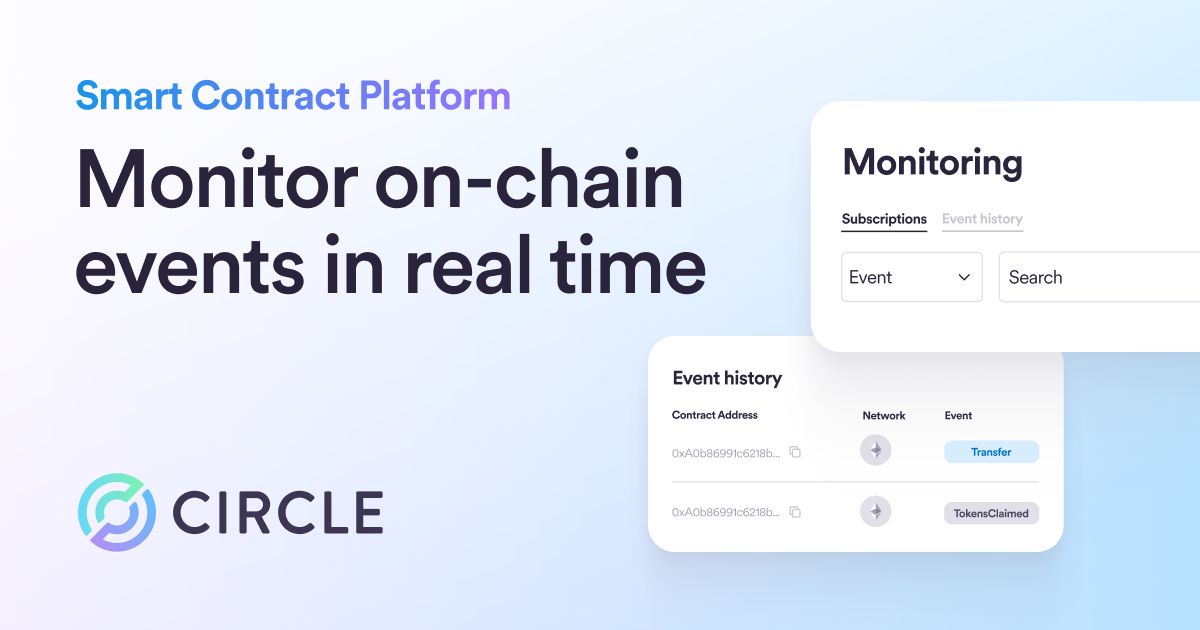
Effective monitoring requires a clear view of the data flowing through your contracts. Tools like these provide dashboards that visualize event logs and transaction states, helping you spot patterns that raw logs might obscure. The image below illustrates how modern interfaces present this activity for easier analysis.
Configuring automated alerting strategies
Automated alerting is the nervous system of smart contract monitoring. Without it, even the most sophisticated monitoring tools are useless because no one sees the breach in time. The goal is to balance security coverage with noise reduction. If your team gets pinged for every minor transaction, they will ignore the alerts. If you filter too aggressively, you might miss the exploit.
Start by defining what constitutes a critical event for your specific infrastructure. This usually means large value transfers, unexpected function calls, or changes to governance parameters. Most monitoring platforms allow you to set thresholds based on token value or gas usage. For example, you might ignore all transactions under $1,000 but trigger an immediate Slack notification for anything over $50,000.
To reduce noise, use tiered alerting. Reserve instant, high-priority alerts (like SMS or phone calls) for confirmed exploits or critical security failures. Use lower-priority channels (like email or a general Slack channel) for anomalies that require investigation but aren't immediate threats. This ensures that when a critical alert fires, the team knows it’s real.
Finally, regularly review your alert logs. Look for false positives and adjust your thresholds. A static configuration will eventually become either too noisy or too blind as your protocol’s usage patterns change. Treat your alerting rules as living infrastructure that needs constant tuning.
Common monitoring mistakes
Even with the best tools, monitoring fails when the setup ignores how smart contracts actually behave. A single blind spot can turn a minor anomaly into a total loss.
Relying on one data source
Monitoring only through a single node or RPC provider creates a single point of failure. If that source drops blocks, filters out logs, or experiences latency, your alerts go silent. Always run redundant nodes or use a provider like the Smart Contract Security Field Guide recommends to ensure you never miss a critical state change [[src-serp-1]].
Ignoring event signature changes
Smart contracts evolve. When developers upgrade a contract, they often change event signatures or add new parameters. If your monitoring filters are hardcoded to old signatures, you will miss the new events entirely. Regularly audit your filter logic against the latest contract ABI to catch these shifts before they cause gaps in visibility.
Overlooking runtime verification
Static analysis catches code before deployment, but it misses runtime behavior. Techniques like runtime verification are essential for improving reliability once the contract is live [[src-serp-6]]. Monitor gas usage and state transitions in real-time to detect unexpected behavior that static tools cannot see.
Build your monitoring checklist
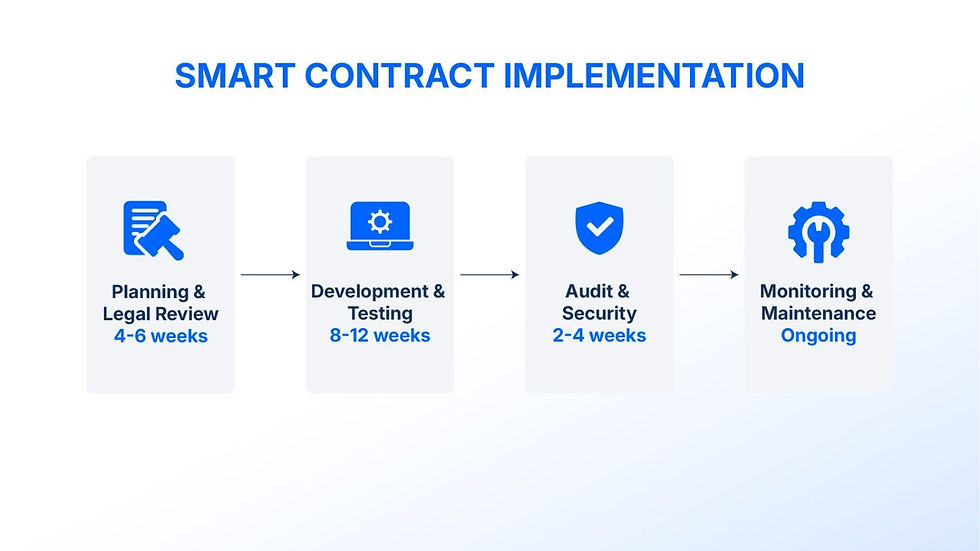
A smart contract audit is a detailed analysis of code to preemptively identify security vulnerabilities, but it is only one part of a robust defense. Post-deployment monitoring requires a concrete checklist to ensure your infrastructure can detect anomalies before they become exploits. Hacken outlines five critical stages for this lifecycle, with post-deployment operations demanding the most rigorous attention.

Frequently asked: what to check next
Can ChatGPT audit smart contracts?
Current research indicates that models like GPT-4 are not reliable as standalone auditors for smart contract vulnerabilities. While they excel at parsing code and writing proof-of-concept exploits, they often miss critical security flaws. Use AI as an auxiliary tool to boost efficiency, but never as a substitute for professional security audits.
Is Solidity difficult to learn?
Solidity is generally considered accessible for developers with experience in JavaScript or C++. Its syntax is designed to be familiar and readable, allowing those with basic programming knowledge to grasp the fundamentals quickly. However, mastering the specific nuances of blockchain security and gas optimization requires dedicated study.
How much does a smart contract audit cost?
Pricing varies significantly based on the complexity and size of your codebase. Simple contracts may cost a few thousand dollars, while complex DeFi protocols with extensive logic can run into the tens or hundreds of thousands. Always budget for multiple rounds of review to ensure comprehensive security.
Helpful gear
Use these product recommendations as a starting point, then choose the size, material, and price point that fit how you actually use the gear.


As an Amazon Associate, we may earn from qualifying purchases.
No comments yet. Be the first to share your thoughts!