Why monitoring matters now
A smart contract audit is a snapshot in time, not a permanent seal of approval. Once code deploys to the blockchain, it becomes immutable. This permanence means that vulnerabilities missed during development or auditing can remain dormant until an attacker finds the right trigger. Post-deployment visibility is just as critical as pre-deployment rigor because the threat landscape shifts the moment a contract goes live.
In 2026, the complexity of DeFi integrations has amplified this risk. Smart contracts no longer operate in isolation; they interact with oracles, other protocols, and cross-chain bridges. A vulnerability in a peripheral contract can cascade into a main protocol, creating attack vectors that static audits often overlook. Continuous monitoring acts as a dynamic defense layer, detecting anomalous behavior and potential exploits in real-time.
Without active monitoring, projects are flying blind. They rely on reactive measures—responding to hacks after funds are drained—rather than proactive prevention. A comprehensive Smart Contract Monitoring guide emphasizes that security is an ongoing process. It requires tools that can trace transactions, analyze gas usage patterns, and flag suspicious interactions before they result in catastrophic losses.
The technical backbone of smart contract monitoring
Smart contract monitoring relies on a specific stack of infrastructure rather than a single tool. At its core, this system connects your application to the blockchain through RPC nodes, interprets raw data via event logs, and organizes that information using indexer architectures. Understanding how these pieces interact is essential for building a reliable monitoring pipeline.
RPC nodes and event logs
RPC (Remote Procedure Call) nodes are the entry point for all blockchain data. They allow your monitoring software to query the state of the blockchain or submit transactions. For monitoring purposes, you primarily rely on these nodes to retrieve transaction receipts and event logs. Event logs are the most efficient way to track state changes because they are cheaper to store than full storage slots and are indexed by the node for faster retrieval.
When a smart contract executes, it emits events. Your monitoring infrastructure listens for these events via the RPC node. However, relying on a single public RPC node can be risky due to rate limits or downtime. For production-grade monitoring, you typically need a robust node provider that offers high availability and consistent data delivery. This ensures you don't miss critical events, such as a large transfer or a contract state change, which could indicate a security issue or a significant market movement.
Indexer architectures
While RPC nodes provide raw data, indexer architectures transform that data into a queryable format. An indexer listens to new blocks, extracts relevant events, and stores them in a database (often PostgreSQL or similar) that is optimized for complex queries. This separation of concerns is vital: the blockchain is append-only and slow to query, while an indexed database allows you to run complex analytics, such as "find all users who swapped more than 10 ETH in the last hour."
There are two main approaches to indexing. The first is using managed services like The Graph, which allows you to define subgraphs that automatically index data. The second is building a custom indexer, which gives you full control over the data model and query performance but requires significant engineering effort. For most monitoring use cases, a custom indexer or a hybrid approach offers the best balance of flexibility and control, allowing you to tailor the data structure to your specific monitoring needs.
Visualizing transaction flow
To understand the health and activity of a monitored contract, visualizing transaction flow is often the first step. A technical chart can help you correlate on-chain activity with market movements or gas price spikes.
Essential monitoring hardware
If you are running your own node infrastructure or monitoring hardware, having the right equipment ensures stability and uptime. Below are some recommended components for building a reliable monitoring setup.


As an Amazon Associate, we may earn from qualifying purchases.
Top smart contract monitoring tools
Smart contract monitoring tools act as the early warning system for your on-chain operations. They track transaction flow, detect anomalies, and alert you to potential exploits before they drain your treasury. Choosing the right stack depends on whether you need real-time event listening, historical audit trails, or automated security responses.
Tenderly
Tenderly is a full-stack development and monitoring platform that provides deep visibility into contract execution. It offers transaction simulation, allowing you to test how a contract will behave before you send it to the mainnet. For monitoring, Tenderly provides real-time alerts on specific contract events and function calls, making it ideal for developers who need to debug issues in production without stopping the service.
Circle API
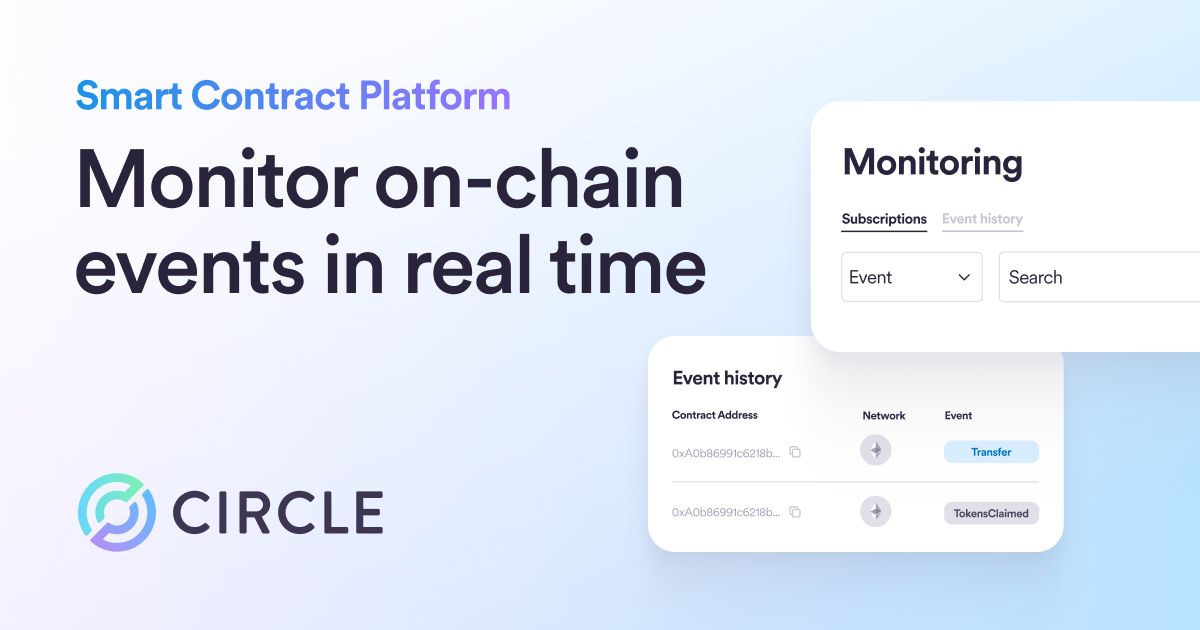
Circle’s infrastructure simplifies the process of tracking token movements and contract interactions. Their monitoring tools are designed to handle high-volume event data, ensuring that you don’t miss critical updates across multiple chains. This is particularly useful for projects that need to verify payments or track user activity in real-time, providing a reliable backbone for event-driven architectures.
Hacken
Hacken focuses on the security aspect of monitoring, offering tools that scan for vulnerabilities and verify contract integrity. While many platforms watch for transactions, Hacken’s approach is more about ensuring the code itself hasn’t been compromised or deployed with known flaws. It serves as a checkpoint for teams that want to validate their smart contract security posture before and after deployment.
Comparison of Key Features
| Tool | Primary Focus | Best For |
|---|---|---|
| Tenderly | Execution Simulation & Debugging | Developers needing real-time transaction insights |
| Circle API | Event Tracking & Data Infrastructure | Projects requiring reliable, high-volume data feeds |
| Hacken | Security Auditing & Verification | Teams prioritizing code integrity and vulnerability scanning |
Configure automated alert systems
You cannot react to a crisis if you are not watching the logs. Setting up automated alert systems for your Smart Contract Monitoring infrastructure is the difference between catching a reentrancy attack in its early stages and losing the entire treasury. This process requires translating raw blockchain data into actionable signals.
Start by identifying the specific event signatures in your contract’s ABI that indicate state changes or errors. Focus on high-value transfers, ownership changes, and function calls that modify core logic. The Smart Contract Security Field Guide emphasizes that understanding these event signatures is the foundation of effective log analysis.
Deploy a listener service that subscribes to these specific events via WebSocket or RPC subscriptions. Unlike polling, real-time listening ensures you receive data the moment it is included in a block. This reduces latency significantly, which is critical when dealing with high-frequency trading bots or flash loan attacks.
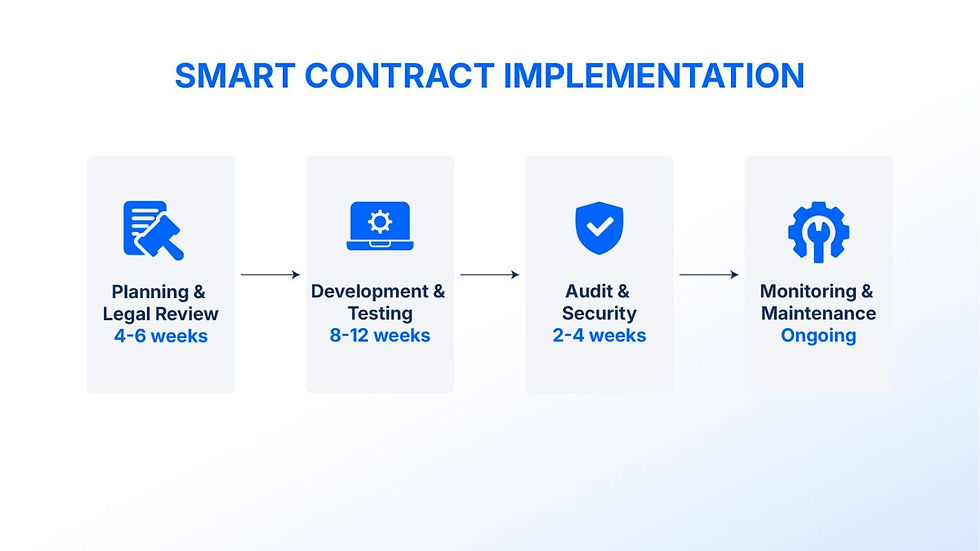
Raw logs can be noisy. Implement filtering rules to ignore standard operations and flag anomalies. For example, set a threshold for token transfers that exceeds a certain USD value or triggers from an unknown address. This reduces alert fatigue and ensures your team only wakes up for genuine threats.
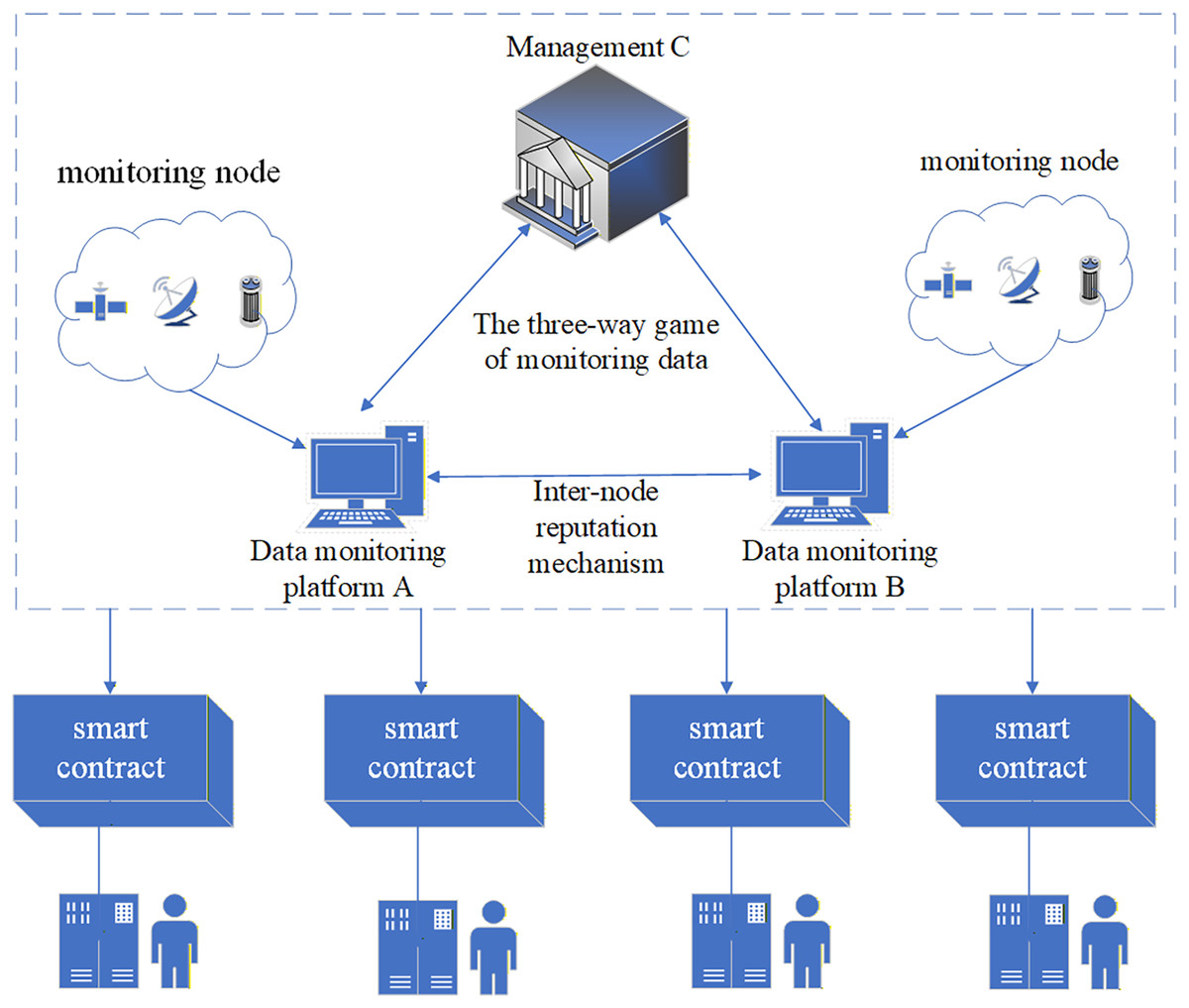
Connect your alerting engine to reliable communication channels like Slack, Discord, or PagerDuty. Ensure that alerts include context: the transaction hash, the event name, and the block number. This allows responders to immediately verify the event on a block explorer without digging through raw data.
By following these steps, you transform passive monitoring into an active defense mechanism. The goal is not just to see data, but to see the right data at the right time.
Verify audit recommendations in production
An audit is a snapshot, not a guarantee. Your monitoring infrastructure bridges the gap between static code review and live deployment. By mapping specific audit findings to real-time telemetry, you can verify that remediation efforts hold up under actual network conditions.
Start by treating audit flags as monitoring alerts. If an audit identified a specific reentrancy vector or an unexpected gas spike, configure your Smart Contract Monitoring guide to trigger immediate notifications when those patterns appear on-chain. This transforms historical findings into active defense mechanisms.
This approach also catches regressions. As you iterate on your codebase, automated tests might pass, but production data reveals the truth. Monitoring tools like Tenderly or Forta can detect subtle behavioral drifts that unit tests miss, ensuring your contract’s security posture remains intact as it scales.
No comments yet. Be the first to share your thoughts!