Why Smart Contract Monitoring Matters
Smart contracts are immutable once deployed. You cannot patch a bug after the fact. This permanence makes monitoring the single most important layer of infrastructure security. Without active observation, you are flying blind until a transaction fails or funds are drained.
Monitoring is not just about watching for hacks. It is about maintaining operational integrity. You need to know if your contract is behaving as intended under normal load and abnormal stress. It is the difference between catching a reentrancy vulnerability in a testnet and losing $10 million on mainnet.
Core monitoring limits to account for
Building a monitoring strategy requires balancing three competing constraints: latency, data volume, and cost.
Latency vs. Accuracy
Real-time monitoring provides immediate alerts but can be noisy. Batch processing reduces noise but delays detection. For high-value contracts, you cannot afford a five-minute delay in detecting a flash loan attack. You need near-instantaneous event logging.
Data Volume
Blockchains produce massive amounts of data. Monitoring every transaction is expensive and often unnecessary. You must filter for relevant events. Focus on state-changing functions and high-value transfers. Ignore standard ERC-20 approvals unless they are part of a specific attack vector.
Cost Efficiency
Indexing all blockchain data is costly. Use efficient indexing strategies. The Smart Contract Security Field Guide recommends optimizing data redundancy and understanding event signatures to reduce storage costs without sacrificing visibility.
Key Monitoring Tools
You need a mix of on-chain and off-chain tools to cover all bases.
On-Chain Observability
Use built-in blockchain explorers for basic tracking. Etherscan and similar platforms provide real-time transaction history. This is your first line of defense for verifying contract state.
Specialized Monitoring Platforms
For deeper analysis, use dedicated security platforms. Tools like Forta or Tenderly offer advanced alerting and simulation capabilities. They allow you to set custom thresholds for abnormal activity.
Custom Scripts
For unique contracts, write custom monitoring scripts. Use RPC providers to listen for specific event logs. This gives you full control over what triggers an alert.
Setting Up Alerts
Define clear alert criteria. What constitutes an anomaly? Is it a large transfer? A failed transaction? A change in contract owner? Set thresholds based on your contract’s normal behavior.
Test your alerts in a testnet environment. Ensure they trigger correctly without false positives. A noisy alert system will lead to alert fatigue, causing you to ignore real threats.
Continuous Improvement
Monitoring is not a one-time setup. Regularly review your logs and alerts. Adjust thresholds as your contract usage changes. Add new checks for emerging attack vectors.
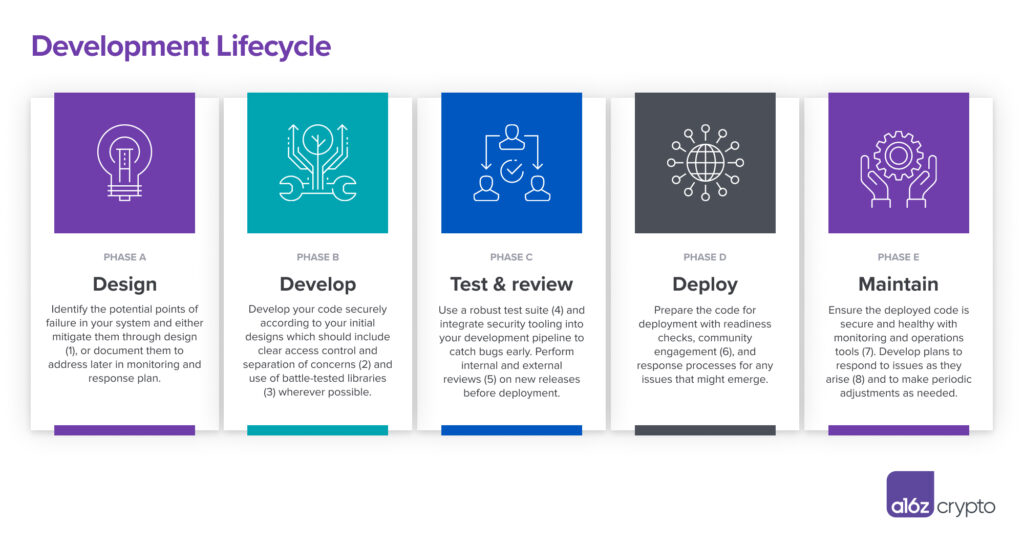
Stay updated on new security threats. The landscape evolves quickly. What was safe last year may be vulnerable today. Regular audits and monitoring updates are essential for long-term security.
Smart contract monitoring choices that change the plan
Use this section to make the Smart Contract Monitoring Strategy decision easier to compare in real life, not just on paper. Start with the reader's actual constraint, then separate must-have requirements from details that are merely nice to have. A practical choice should survive normal use, maintenance, timing, and budget. If a recommendation only works in an ideal situation, call that out plainly and give the reader a fallback path.
| Factor | What to check | Why it matters |
|---|---|---|
| Fit | Match the option to the primary use case. | A good deal still fails if it does not fit the job. |
| Condition | Verify age, wear, and service history. | Hidden condition issues erase upfront savings. |
| Cost | Compare purchase price with likely upkeep. | The cheapest option is not always the lowest-cost option. |
Choose the next step
Smart Contract Monitoring Strategy works best as a clear sequence: define the constraint, compare the realistic options, test the tradeoff, and choose the path with the fewest hidden costs. That order keeps the advice usable instead of decorative. After each step, pause long enough to check whether the recommendation still fits the reader's actual situation. If it depends on perfect timing, unusual access, or a best-case budget, include a simpler fallback.
Avoid the weak options
Use this section to make the Smart Contract Monitoring Strategy decision easier to compare in real life, not just on paper. Start with the reader's actual constraint, then separate must-have requirements from details that are merely nice to have. A practical choice should survive normal use, maintenance, timing, and budget. If a recommendation only works in an ideal situation, call that out plainly and give the reader a fallback path.
The simplest way to use this section is to write down the must-have criteria first, then compare each option against those criteria before weighing nice-to-have features.
Smart contract monitoring: common: what to check next
Choosing the right monitoring stack requires balancing real-time visibility with cost and complexity. Below are answers to the most frequent objections teams raise before committing to a specific infrastructure.
Helpful gear
Use these product recommendations as a starting point, then choose the size, material, and price point that fit how you actually use the gear.


As an Amazon Associate, we may earn from qualifying purchases.
No comments yet. Be the first to share your thoughts!