Why smart contract monitoring matters now
Smart contract audits are a snapshot in time, not a permanent shield. A static audit verifies that the code matches the intended logic at the moment of deployment, but it cannot predict how that code will behave once it interacts with live market data, flash loans, or adversarial actors. Once a contract is deployed on-chain, the transaction is immutable. There is no "undo" button, no customer service line, and no central authority to reverse a drained treasury.
This irreversibility is what makes post-deployment monitoring as critical as the audit itself. Hacken and other security researchers emphasize that continuous monitoring is the only way to detect exploits as they happen, rather than discovering them days later when the funds are already gone. Monitoring tools provide real-time visibility into contract state changes, allowing teams to react to anomalies before they become catastrophic losses.
The Cost of Inaction Static audits catch bugs, but monitoring catches exploits in real-time.
The threat landscape has evolved beyond simple coding errors. Today’s exploits often rely on complex, multi-step attacks that exploit edge cases in logic or price oracle manipulations. These attacks are designed to bypass static analysis. Without a monitoring infrastructure that watches for suspicious patterns—such as unusual token transfers or unexpected state changes—projects are flying blind.
This is why leading Web3 security frameworks, including those from OpenZeppelin and Consensys, advocate for a defense-in-depth strategy. Auditing ensures the foundation is solid; monitoring ensures the building doesn’t collapse during an earthquake. For high-stakes finance, this distinction isn't just technical—it's existential.
Core Monitoring Infrastructure
Smart contract monitoring relies on a specific technical stack to ingest blockchain data in real time. Without the right infrastructure, you are flying blind. The backbone consists of RPC nodes, event logs, and transaction indexing. These components work together to transform raw chain data into actionable security signals.
RPC Nodes and Event Logs
RPC (Remote Procedure Call) nodes are your entry point to the blockchain. They allow your monitoring tools to query the current state of the chain and subscribe to new blocks. For high-stakes monitoring, you cannot rely on public, free endpoints. They are often rate-limited or delayed, which can cause you to miss critical events.
Instead, you need dedicated nodes that guarantee uptime and low latency. Services like Infura, Alchemy, or your own node infrastructure provide the stable connection needed to listen for events. When a contract executes a function, it emits logs. These logs contain the event signatures and indexed parameters that your monitoring system parses to detect anomalies.
Transaction Indexing
Raw logs are noisy. To make them useful, you need transaction indexing. Indexing structures the data so you can query it efficiently. Instead of scanning every block for a specific contract address, an indexer has already organized the data by contract, event type, and timestamp.
This layer is where tools like Tenderly or The Graph shine. They handle the heavy lifting of processing blockchain data and exposing it through clean APIs. By relying on established indexing providers, you avoid building and maintaining complex data pipelines from scratch. This allows your security team to focus on analysis rather than data engineering.
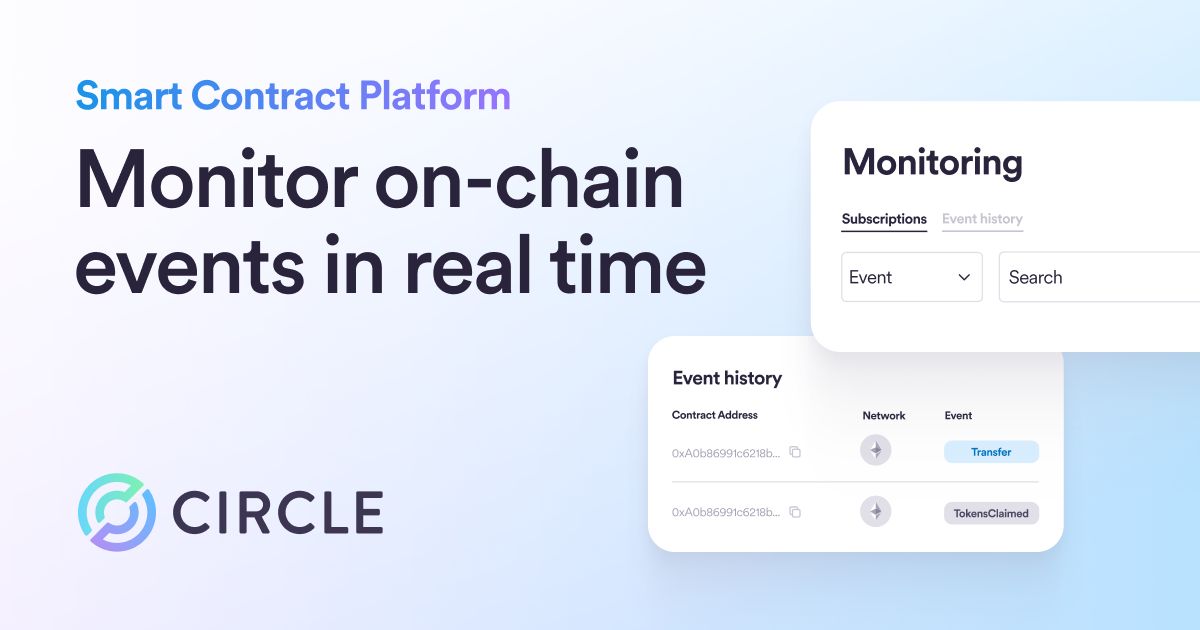
Connecting to the Chain
Connecting your monitoring tools to the blockchain is a matter of configuration, but it requires precision. You need to configure your RPC endpoints to subscribe to specific events. This involves setting up filters for contract addresses and event signatures.
OpenZeppelin’s documentation provides best practices for implementing these connections securely. Their guides emphasize the importance of validating the data you receive from RPC nodes. Never trust the node blindly. Always verify the data against the blockchain state when possible. This verification step is crucial for preventing false positives caused by malicious or compromised nodes.
The goal is to create a pipeline that is both fast and accurate. Your infrastructure should ingest data, index it, and present it to your security team in a way that allows for immediate action. This is the foundation of effective smart contract monitoring.
Top smart contract monitoring tools
Choosing the right monitoring stack depends on your specific infrastructure needs. Some teams prioritize automated remediation, while others need deep transaction simulation or simple event tracking. The tools below represent the current standard for high-stakes environments, each serving a distinct role in the security workflow.
OpenZeppelin Defender
Defender is the industry standard for automated contract management and monitoring. It allows you to set up custom monitors that trigger actions based on on-chain activity, such as specific transaction hashes or event logs. Its strength lies in its integration with the OpenZeppelin ecosystem, enabling you to pair monitoring with automated execution via Defender Autotasks. If your strategy involves reacting to anomalies with immediate code execution, Defender provides the most robust framework for that loop.
Tenderly
Tenderly focuses on production visibility and simulation. It monitors liquidity movements, user interactions, and system performance in real time, providing complete context around potential failures. This is particularly valuable for debugging complex interactions before they hit mainnet or for understanding the exact state of a contract during a live incident. Tenderly’s simulation engine lets you replay transactions to see what went wrong, making it an essential tool for developers who need to diagnose issues without restarting their environment.
Circle
For projects heavily integrated with stablecoins, Circle offers specialized monitoring tools tailored to USDC activity. Their platform simplifies the tracking of smart contract interactions involving USDC transfers and approvals. If your primary concern is ensuring compliance and visibility around stablecoin flows, Circle’s native integrations reduce the friction of setting up custom parsers. It is less of a general-purpose monitor and more of a targeted solution for stablecoin-centric architectures.
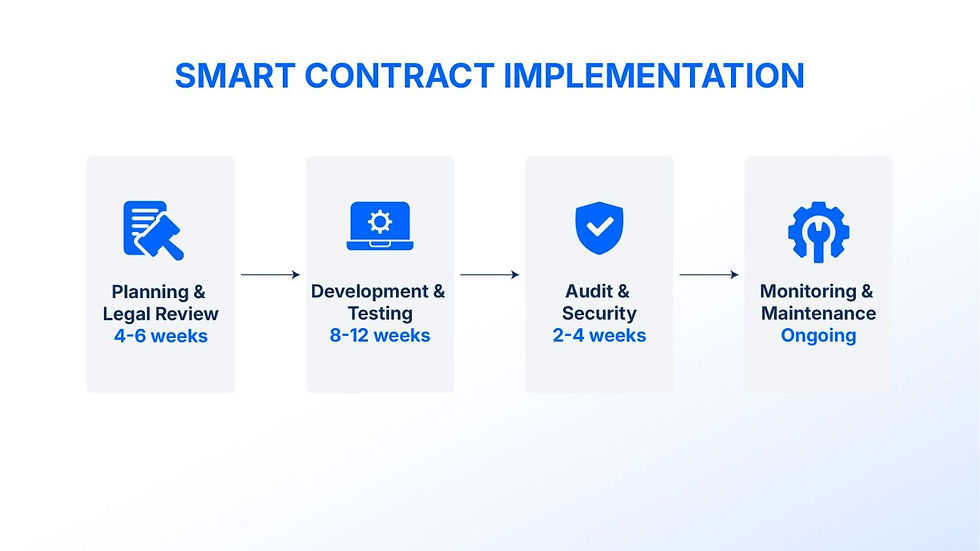
Comparison of Key Features
The table below summarizes the core capabilities of each tool to help you decide which fits your stack.
| Tool | Primary Use | Automation | Best For |
|---|---|---|---|
| OpenZeppelin Defender | On-chain event monitoring | High (Autotasks) | Automated response workflows |
| Tenderly | Simulation & debugging | Medium (Webhooks) | Transaction analysis & testing |
| Circle | Stablecoin tracking | Low (Native integration) | USDC-specific activity |
Build a monitoring strategy that actually works
Monitoring isn't just about collecting data; it's about knowing when to act. A robust strategy separates noise from genuine threats, ensuring your team responds to real risks without burning out on false positives. Start by defining what matters, then set up the infrastructure to catch it.
Not every event needs an alert. Identify the high-value functions and state changes that could impact security or solvency. For example, monitor large token transfers or ownership changes. Set thresholds based on historical data and risk tolerance. If a contract typically moves 10 ETH, alert only when a transaction exceeds 100 ETH. This reduces noise and focuses attention on anomalies.
Use tools like Tenderly or dedicated log analyzers to parse blockchain events in real time. Optimize data redundancy by storing only essential fields. Understand event signatures to filter out irrelevant transactions. Real-time analysis allows you to detect issues as they happen, rather than discovering them after a block is finalized.
Alerts are useless without a plan. Define clear roles and actions for different severity levels. For critical alerts, have a pre-approved pause mechanism or multisig approval process. Document the steps so your team can act quickly under pressure. Regular drills ensure everyone knows their part when the alarm sounds.
Before going live, simulate attacks and normal operations on a testnet. Verify that your thresholds trigger correctly and that your response protocols execute as expected. This step catches configuration errors and ensures your monitoring stack is robust under load.
Common monitoring pitfalls
Even with the best tools, monitoring strategies often fail due to human error rather than technical debt. The most frequent mistake is alert fatigue. When dashboards fire hundreds of notifications for minor anomalies, teams begin ignoring them. This desensitization creates a blind spot where critical failures go unnoticed until they are catastrophic.
To combat this, prioritize custom logic over generic third-party dashboards. Tools like Tenderly or Consensys provide excellent baselines, but they cannot understand the specific nuances of your protocol’s economic incentives. Relying solely on their default alerts is like wearing a helmet that doesn’t fit; it offers some protection, but it leaves your head exposed. You must define thresholds that reflect your actual risk appetite.
Another significant oversight is ignoring testnet data. Many teams treat testnet monitoring as optional, focusing only on mainnet performance. This is a dangerous assumption. Testnet environments often reveal edge cases and gas optimization issues that mainnet data masks due to lower transaction volumes. If your monitoring infrastructure does not capture testnet metrics with the same rigor as production, you are flying blind during the most critical debugging phase.
Finally, avoid the temptation to monitor everything. Tracking every variable creates noise. Instead, focus on the "canary" metrics—those specific indicators that signal a breach or anomaly before it becomes a full-blown exploit. This targeted approach ensures that when an alert fires, it demands immediate attention.
Helpful gear
Use these product recommendations as a starting point, then choose the size, material, and price point that fit how you actually use the gear.


As an Amazon Associate, we may earn from qualifying purchases.
No comments yet. Be the first to share your thoughts!