Why monitoring matters now
Smart contract monitoring is no longer a backend task for developers; it is a frontline defense for capital preservation. In 2026, the gap between code deployment and potential exploitation has narrowed. Once a contract goes live, it operates in a public arena where vulnerabilities are actively hunted by automated bots and human adversaries alike. Without continuous oversight, a single logic error can drain liquidity pools or freeze user funds within minutes.
The financial stakes are immediate and severe. A security incident does not just damage a protocol’s reputation; it triggers a cascade of losses for investors and erodes trust across the entire ecosystem. Monitoring provides the early warning system needed to detect anomalies—such as unusual transaction volumes or failed state transitions—before they escalate into catastrophic failures. It transforms security from a reactive cleanup operation into a proactive risk management strategy.
To understand the scale of this risk, consider the volatility of the assets under management. Smart contracts often control billions in value, making them high-value targets. The following chart illustrates the market dynamics of Ethereum (ETH), the primary settlement layer for most DeFi protocols. Understanding these market movements is essential for contextualizing the financial exposure at stake.
This context highlights why monitoring is critical. It is not just about fixing bugs; it is about protecting the financial integrity of the decentralized economy. As protocols grow more complex, the need for robust, real-time monitoring infrastructure becomes the single most important factor in sustaining long-term viability.
Core infrastructure components
Effective smart contract monitoring relies on a specific technical stack. You need reliable data feeds, active listeners, and immediate alerting. Without these pieces, you are flying blind.
RPC nodes and data feeds
RPC (Remote Procedure Call) nodes are the entry point for all blockchain data. They allow your monitoring tools to query the current state of a contract or retrieve historical logs. If your node provider is slow or unreliable, your alerts will be late or missing entirely.
Note: Always use official or primary RPC sources. Third-party aggregators can sometimes manipulate or delay data, leading to false security signals.
For high-stakes applications, consider running your own node or using multiple providers for redundancy. This ensures that a single point of failure doesn't compromise your monitoring coverage.
Event listeners and log analysis
Smart contracts emit events when key actions occur. Your infrastructure must listen to these events in real-time. This is more efficient than polling the blockchain for changes, which wastes resources and introduces latency.\n Tools like Tenderly or dedicated indexer services help parse these logs. They transform raw blockchain data into readable signals. Understanding event signatures is crucial here. You need to know exactly which events indicate a successful transaction and which signal a potential exploit.
Alerting systems
The final piece is the alerting system. When an event listener detects an anomaly, it must notify you immediately. This could be via email, SMS, or a webhook to a chat platform like Slack or Discord.
The alert should include enough context to act. Don't just send "Error detected." Include the transaction hash, the contract address, and the specific event parameters. This allows your team to investigate and respond without delay.
Essential hardware and software
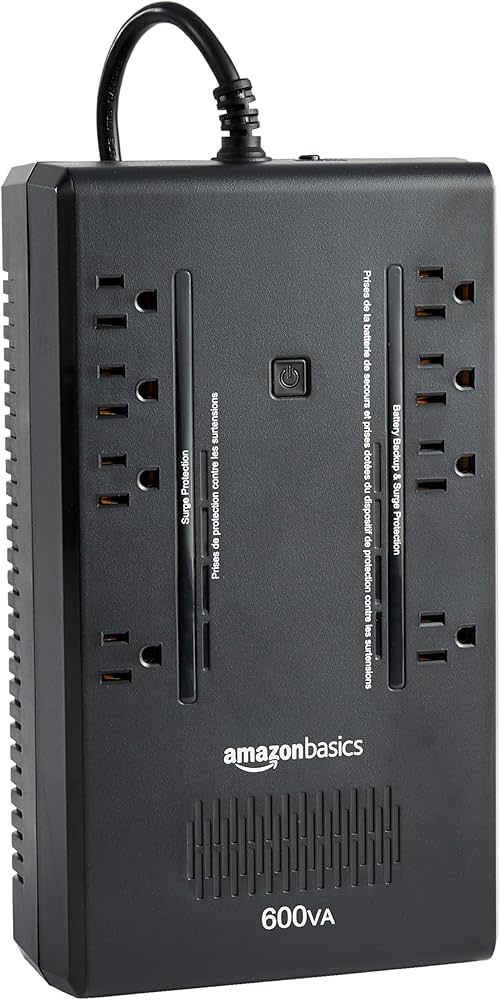
To build this infrastructure, you need specific tools. These aren't just software; they are the physical and digital assets that keep your monitoring running.

As an Amazon Associate, we may earn from qualifying purchases.
These components ensure your monitoring stack stays online. A power outage or network glitch can mean missing a critical window to stop a hack. Invest in redundancy.
Integration and maintenance
Finally, integrate these components into a cohesive workflow. Your RPC nodes feed data to your listeners. Your listeners feed alerts to your notification system. Regularly test this chain. Simulate a contract exploit in a testnet environment to ensure your alerts trigger correctly.
Monitoring is not a set-and-forget task. As your smart contracts evolve, your monitoring stack must adapt. Update your event listeners and alert rules as new features are deployed.
Top smart contract monitoring tools for 2026
Smart contract monitoring is the difference between catching a reentrancy attack before it drains your treasury or waking up to a drained wallet. As the DeFi landscape matures, relying on manual transaction checking is no longer viable. You need automated, real-time visibility into on-chain activity.
The market has consolidated around a few robust platforms that offer more than just basic alerts. These tools provide the infrastructure layer necessary for serious protocol management, combining event monitoring with incident response capabilities. Below is a comparative analysis of the leading contenders for 2026.
| Platform | Core Strength | Chain Support | Auto-Response |
|---|---|---|---|
| OpenZeppelin Defender | Customizable monitor templates | EVM (Multi-chain) | Yes (via Defender Tasks) |
| Tenderly | Real-time simulation & alerts | EVM (Multi-chain) | Yes (Webhooks/Actions) |
| Circle | Token transfer monitoring | Multi-chain (USDC focus) | No (Alerts only) |
OpenZeppelin Defender
OpenZeppelin Defender remains the gold standard for teams already using the OpenZeppelin ecosystem. Its primary strength lies in its customizable monitor templates. You can define specific on-chain events or transaction patterns that trigger alerts, and crucially, link them directly to Defender Tasks for automated response. If a monitor detects a suspicious transaction, it can automatically pause a contract or trigger a multisig approval. This tight integration between monitoring and execution makes it the most comprehensive choice for security-focused protocols.
Tenderly
Tenderly excels in developer experience and real-time simulation. Its monitoring dashboard provides a granular view of transaction states, allowing you to simulate transactions before they are broadcast. This is particularly useful for debugging complex interactions. Tenderly’s alerting system is highly flexible, supporting webhooks and custom actions. While it offers powerful monitoring, its auto-response capabilities are more reliant on external integrations compared to Defender’s native task system.
Circle
Circle’s monitoring tools are specialized for token transfers, particularly for USDC. If your protocol’s primary risk vector is token movement rather than complex contract logic, Circle’s infrastructure offers reliable, low-latency alerts. It is less of a general-purpose smart contract monitor and more of a specialized tool for token-centric applications. It lacks the deep contract interaction analysis found in Defender or Tenderly, making it a supplementary tool rather than a primary monitoring solution for complex DeFi protocols.
Setting up event alerts
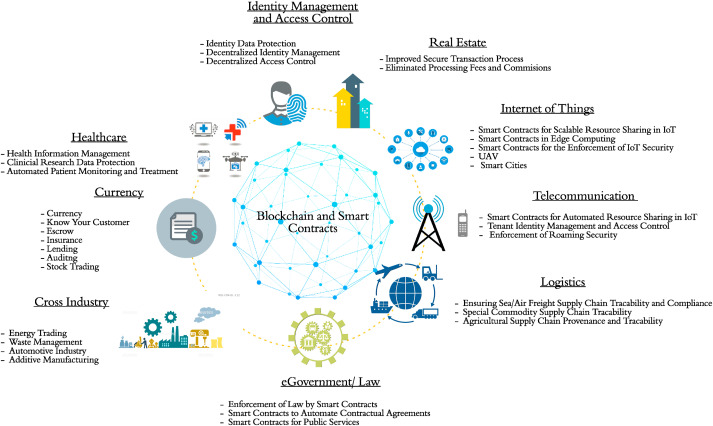
Smart contracts don't speak, but they do shout. When a transaction triggers a specific event, the blockchain logs it. Your job is to listen for those shouts before they turn into security incidents. Setting up event-based alerts is the difference between reacting to a hack and preventing one.
Start by identifying which contract events matter. You don't need to monitor every Transfer event. Focus on high-value actions like OwnershipTransfer, EmergencyStop, or large Withdrawal calls. OpenZeppelin Defender allows you to monitor these specific signatures across multiple chains, letting you filter out the noise and focus on state changes that impact security or liquidity [[src-serp-1]].
Raw events aren't enough; you need context. Configure your monitoring tool to trigger only when specific conditions are met. This might mean alerting if a single transaction moves more than 10 ETH, or if a function is called from an unknown address. The Smart Contract Security Field Guide recommends optimizing data redundancy to ensure you capture these logs reliably without overwhelming your system [[src-serp-2]].
Decide where the alert goes. For critical security breaches, a webhook to a private Slack channel or a PagerDuty integration is faster than email. Ensure your channel is secured and monitored 24/7 during high-risk periods. The goal is to reduce the time between the on-chain event and your team's awareness.
Before going live, simulate the events. Use a testnet or a local fork to trigger your defined events. Verify that your alert fires correctly and that the payload contains the data you need to investigate. This step prevents false positives from waking up your team at 3 AM.
Once configured, your monitoring system acts as a real-time shield. It doesn't stop the attack, but it gives you the seconds you need to pause the contract or freeze funds. Regularly review your alert logs to refine thresholds, ensuring you catch new threats without ignoring legitimate activity.
The cost of monitoring smart contracts
Building a monitoring stack isn't free, but the alternative—losing funds to a silent exploit—is far more expensive. The market for smart contract monitoring tools ranges from free, self-hosted solutions to enterprise-grade platforms with complex pricing models. Understanding these costs helps you balance security with operational efficiency.
Pricing models and hidden fees
Most providers use a tiered subscription model based on API calls, transaction volume, or active contracts. Free tiers often serve as entry points for solo developers, offering limited alerts and basic dashboards. However, as your dapp scales, you'll likely hit rate limits that force an upgrade.
Enterprise plans typically include features like custom alerting rules, dedicated support, and higher data retention periods. Some platforms charge based on the number of monitored networks or the complexity of your smart contracts. Always check for overage fees if your traffic spikes unexpectedly.
Return on investment (ROI)
The ROI of monitoring tools is measured in avoided losses and reduced incident response time. A single undetected exploit can drain a protocol's liquidity, while a quick alert can prevent it. Tools like Tenderly offer real-time transaction monitoring and alerting, which are critical for maintaining dapp performance and user trust.
When evaluating costs, consider the total cost of ownership, including integration time and maintenance. A cheaper tool that requires significant engineering effort to maintain may cost more in the long run than a robust, managed service. Prioritize tools that integrate seamlessly with your existing stack to minimize overhead.
Frequently asked: what to check next
Can AI tools like ChatGPT audit smart contracts?
Experimental research suggests that while models like GPT-4 struggle to detect vulnerabilities effectively on their own, they remain valuable for parsing code and writing proof-of-concept scripts. They serve best as auxiliary tools to boost audit efficiency rather than replacing human security review [1].
What are the four steps in executing a smart contract?
Execution follows a clear lifecycle: first, parties reach an agreement; second, the contract is established on-chain; third, the system verifies that all predefined criteria are fulfilled; and finally, it executes the value transfer, such as moving funds or energy assets [2].
What should you monitor after a contract is in place?
Post-deployment monitoring focuses on contract data verification, milestone tracking, and compliance with regulatory requirements. You should also watch financial flows, manage risk assessments, and track performance reporting to ensure the contract operates as intended [3].
Why is continuous monitoring necessary for smart contracts?
Smart contracts are immutable once deployed, meaning bugs cannot be patched easily. Continuous monitoring detects anomalies, such as unexpected fund movements or failed state transitions, allowing teams to react before a vulnerability is exploited or a protocol fails.
How does smart contract monitoring differ from traditional contract management?
Traditional contract management tracks human obligations and legal milestones. Smart contract monitoring tracks on-chain state changes, gas usage, and execution logic. While both require vigilance, the latter relies on automated tools to read blockchain data in real time.
No comments yet. Be the first to share your thoughts!