Why monitoring matters now
Passive audits are no longer enough. A smart contract audit is a snapshot in time, not a guarantee of perpetual safety. Once code is deployed, the environment changes. New vulnerabilities emerge, dependencies shift, and attackers adapt their tactics. Relying solely on a pre-deployment audit is like locking your front door but leaving the windows open. Active monitoring infrastructure is the security camera that watches those windows 24/7.
The stakes are existential for any protocol holding significant value. When a vulnerability is exploited, the damage is often irreversible. Funds are drained, trust is shattered, and the project’s reputation may never recover. This isn’t just about technical glitches; it’s about capital preservation and operational continuity. Without real-time visibility into contract state and transaction flow, you are flying blind in a minefield.
Consider the scale of risk. Even well-audited contracts can be targeted by novel exploit vectors or misconfigured parameters. Monitoring tools provide the early warning system needed to detect anomalies before they become catastrophic failures. They track on-chain activity, flag suspicious transactions, and alert teams to potential breaches instantly. This proactive stance transforms security from a reactive cost center into a strategic asset.
The financial implications are stark. As DeFi protocols continue to grow, the total value locked (TVL) represents a massive target for malicious actors. A single successful exploit can wipe out millions in minutes. Monitoring tools help mitigate this risk by providing continuous oversight, ensuring that any deviation from expected behavior is caught and addressed immediately. In the high-stakes world of Web3, vigilance is not optional—it is essential.
Static Analysis Foundations
Before a contract touches the mainnet, static analysis tools scan the source code for known vulnerability patterns. They act as the first line of defense, catching low-hanging fruit like reentrancy or integer overflows before human auditors or dynamic fuzzers even start. While no tool is perfect, skipping this step is a gamble with funds you cannot afford to lose.
Slither, Mythril, and Securify form the core of most automated auditing stacks. Each brings a different approach to code scrutiny, and using them in parallel catches blind spots that a single tool might miss.
Slither: The Speed Demon
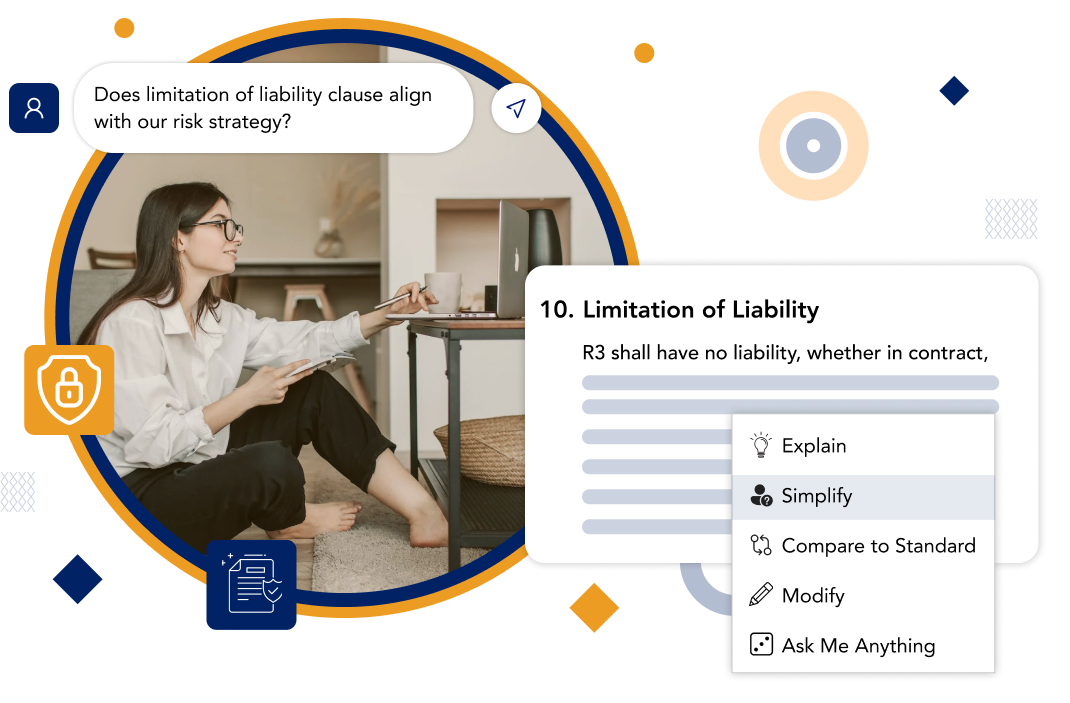
Developed by Trail of Bits, Slither is a framework for static analysis that prioritizes speed without sacrificing breadth. It parses Solidity code into an intermediate representation, allowing it to run dozens of detectors in seconds. It is particularly effective at identifying common Solidity anti-patterns and is often the first tool run in a CI/CD pipeline because it rarely produces false positives for critical issues.
Mythril: Symbolic Execution
Mythril takes a more aggressive approach by using symbolic execution to trace all possible execution paths through a contract. Instead of just looking for syntax patterns, it attempts to mathematically prove whether a specific vulnerability is reachable. This makes it powerful for finding complex logical flaws, though it can be slower than Slither and may struggle with contracts that have very large state spaces.
Securify: Formal Verification
Securify focuses on formal verification, checking if a contract adheres to a set of predefined security properties. It does not just look for bugs; it verifies that the contract satisfies specific correctness criteria, such as reentrancy safety or access control integrity. This method provides a higher level of assurance for critical logic, though it requires more manual configuration to define the exact properties you care about.
| Tool | Primary Method | Best Use Case |
|---|---|---|
| Slither | Pattern Matching | Rapid CI/CD scanning, common anti-patterns |
| Mythril | Symbolic Execution | Complex logical paths, reachability proofs |
| Securify | Formal Verification | Property-based security guarantees |
Dynamic testing and fuzzing
Static analysis reads the code; fuzzing simulates the attack. While static tools are excellent for finding known vulnerability patterns, they often miss edge cases that only appear when contracts are under adversarial conditions. Dynamic testing fills this gap by generating thousands of random inputs to see how the contract behaves in the wild.
Echidna and Medusa are the industry standards for this phase. Echidna is a mature, property-based fuzzing tool that checks if specific invariants hold true across millions of transactions. Medusa, on the other hand, offers experimental features like multi-contract fuzzing, allowing you to test interactions between different contracts simultaneously. Together, they simulate the chaos of a live blockchain environment far better than any manual review.
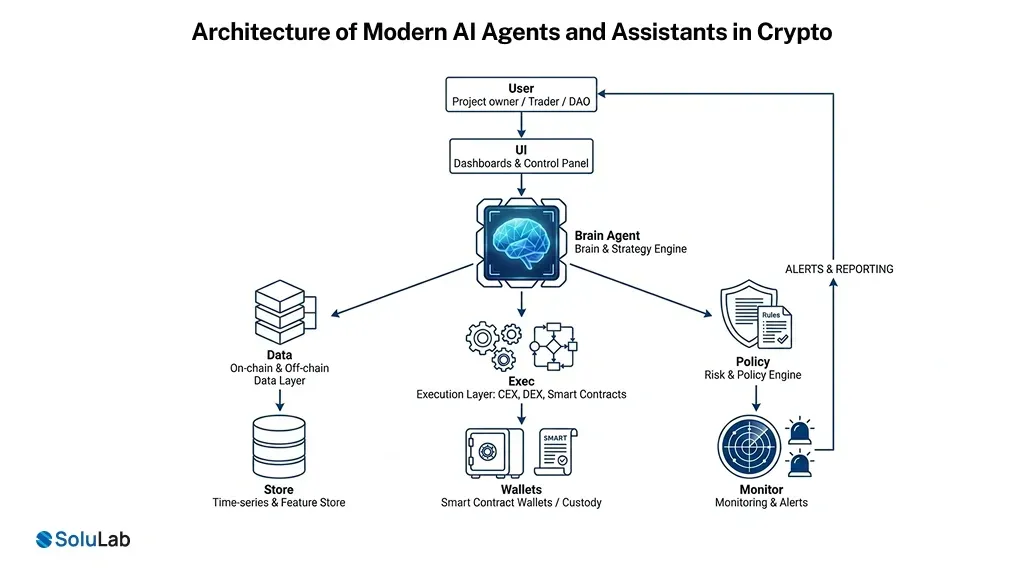
The challenge with fuzzing is that it requires precise definition of what constitutes a failure. If you don't define the right invariants—such as "total supply must always equal the sum of all balances"—the tool might find bugs that don't matter or miss the ones that do. As noted in industry evaluations of auditing tools, the effectiveness of these tests hinges on how well the test cases mirror real-world adversarial strategies.
This layer of security is non-negotiable for high-stakes contracts. Static analysis catches the syntax errors; fuzzing catches the logic errors that drain wallets. Integrating Echidna or Medusa into your CI/CD pipeline ensures that every code change is stress-tested before it ever touches mainnet.
Real-time blockchain monitoring
Deploying a contract is the finish line, not the end of the race. Once live, smart contracts are exposed to the full volatility of the blockchain, where a single miscalculation or exploit can drain liquidity in seconds. Post-deployment monitoring infrastructure acts as your early warning system, tracking on-chain events, balances, and invariants to catch incidents before users lose funds.
Tenderly provides the visibility layer for this phase. Its monitoring tools let you set up alerts on specific events, balance thresholds, and contract drift across every supported chain. Instead of waiting for a transaction to fail or a user to report a bug, Tenderly allows you to define the "normal" state of your contract and triggers alarms the moment reality diverges. This proactive stance shifts security from reactive damage control to active prevention.
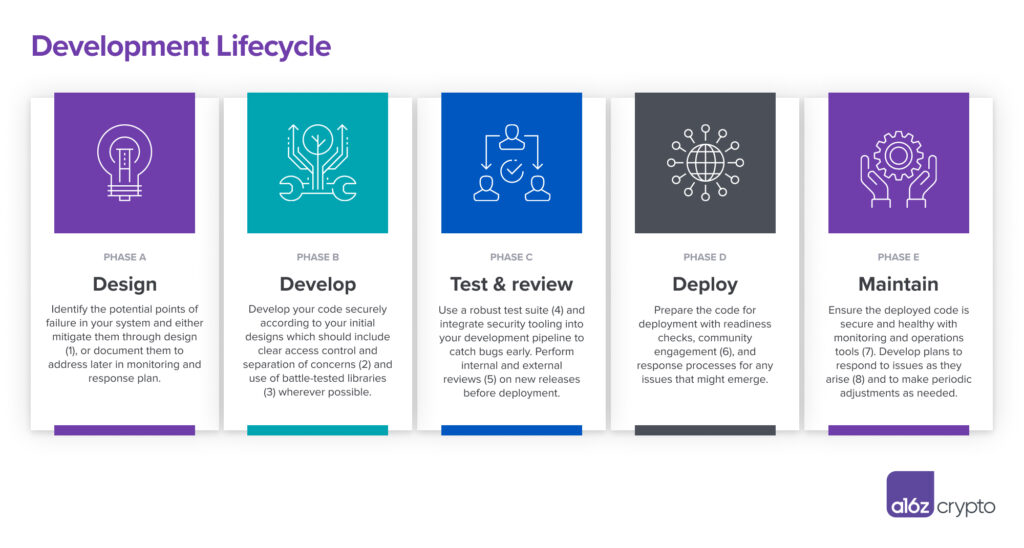
While Tenderly handles the real-time telemetry, SolidityScan complements this by focusing on the code's structural integrity. It is an advanced scanning tool designed to uncover vulnerabilities that static analysis might miss, helping you address risks proactively. Together, these tools form a strategic stack: one watches the live data, the other audits the logic.
Build the monitoring stack
Smart contract vulnerabilities rarely appear in isolation. They accumulate when local testing, deployment, and live monitoring operate in silos. A strategic stack connects these phases, ensuring that a static analysis finding in development translates to a live alert on-chain.
Start with tools like Slither or Mythril during the coding phase. These scanners check for logical errors and known vulnerability patterns before any code touches the blockchain. Treat this as your first line of defense against obvious bugs.
Deploy to a testnet environment and run dynamic analysis tools. This simulates real-world interactions without risking capital. Verify that your contracts behave as expected under stress and that no new vulnerabilities emerge during execution.
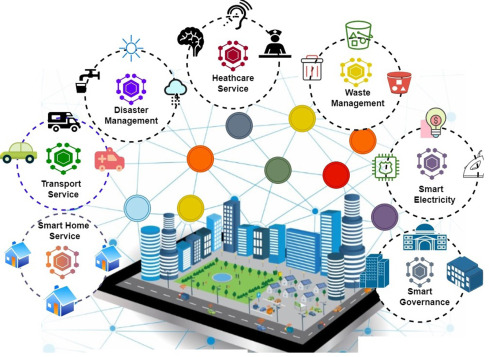
Once mainnet, integrate a monitoring platform like Forta or Tenderly. These tools watch for suspicious transactions, unusual token movements, or contract interactions that deviate from normal patterns. They provide real-time visibility into your contract's live state.
Connect your monitoring alerts to automated response mechanisms. This could mean pausing a contract, triggering a multisig review, or sending immediate notifications to your security team. Speed is critical when responding to an active exploit.
This workflow transforms monitoring from a reactive afterthought into a proactive shield. By linking development insights to live on-chain data, you reduce the window of exposure for your smart contracts.
Common smart contract: what to check next
Developers and investors often hit the same roadblocks when navigating smart contract tools. Here are the answers to the most frequent questions about development, auditing, and verification.
Which tool is commonly used for smart contract development?
Remix IDE is the standard starting point for writing and testing Solidity contracts. It is an open-source, web-based environment that lets developers write, compile, debug, and deploy code without local setup. For production-grade workflows, teams typically layer on hardhat or foundry for testing and deployment automation.
Can AI audit smart contracts?
Current research shows that models like GPT-4 struggle to detect complex vulnerabilities in isolation. While they can parse code and write proof-of-concept exploits, they lack the depth to reliably find high-severity bugs. Treat AI as an assistant for code review, not a replacement for formal auditing or static analysis tools like Slither.
How do I check if a contract is verified?
Paste the contract address into a block explorer like Etherscan. If the source code is verified, you will see a "Contract Source Code" tab with readable Solidity files. If it is unverified, you are relying solely on the bytecode, which makes independent security validation much harder.
What is the best smart contract platform?
Ethereum remains the most adopted platform for high-value contracts due to its security and decentralization. However, alternatives like Solana and Binance Smart Chain offer lower fees and higher throughput for specific use cases. The "best" platform depends on whether you prioritize security, cost, or speed.
Helpful gear
Use these product recommendations as a starting point, then choose the size, material, and price point that fit how you actually use the gear.



As an Amazon Associate, we may earn from qualifying purchases.
No comments yet. Be the first to share your thoughts!