Why monitoring matters after deployment
Smart contract security doesn’t end when you push the transaction to the blockchain. While pre-deployment audits are essential for finding bugs in static code, they only capture a snapshot of the contract’s state at rest. Once deployed, the contract is immutable, and its security relies entirely on how it behaves in motion against real-world economic pressures and adversarial actors.
Runtime verification becomes the primary defense line. As noted in security research, techniques that monitor execution in real-time are appealing precisely because they can detect exploits as they happen, rather than after the damage is done [src-serp-6]. A static audit might miss a logical flaw that only triggers under specific market conditions or a complex sequence of interactions. Monitoring fills this gap by observing the contract’s actual execution path.
This distinction is critical for developers and security engineers. You are not just protecting code; you are protecting capital in a live, volatile environment. Effective post-deployment monitoring requires a different set of tools than static analysis. These tools focus on telemetry, alerting, and rapid response capabilities. Without this active layer, you are flying blind, unaware of a drain or reentrancy attack until the transaction is confirmed and the funds are gone.
The goal is to shift from a reactive posture—where you investigate breaches after they occur—to a proactive one. By establishing continuous visibility, you can pause operations, trigger emergency stops, or alert stakeholders before a vulnerability is fully exploited. This section sets the stage for selecting the right monitoring infrastructure, ensuring you have the eyes on the ground needed to secure your deployment.
The technical stack for smart contract monitoring
To effectively monitor smart contracts, you need three layers working in concert: data ingestion, event indexing, and alerting. Think of this stack as the nervous system of your blockchain application. Without it, you are flying blind, reacting to exploits only after the damage is done.
1. RPC Nodes: The Data Ingestion Layer
The first layer is the RPC (Remote Procedure Call) node. This is your direct line to the blockchain. It provides the raw data—blocks, transactions, and state changes—that your monitoring system needs to function.
Choosing the right node provider is critical. Public nodes are often rate-limited and slow, making them unsuitable for real-time monitoring. Instead, use dedicated providers like Infura, Alchemy, or QuickNode. These services offer higher throughput and more reliable uptime, which is essential when you are tracking high-value transactions.
For advanced monitoring, you may need to run your own node. This gives you full control over the data you receive but requires significant infrastructure maintenance. Most teams start with a managed service and scale up as their monitoring needs grow.
2. Event Indexing: Making Sense of the Noise
Raw blockchain data is verbose and difficult to parse. Event indexing transforms this noise into structured data that your alerting system can understand. When a smart contract emits an event, such as a Transfer or Approval, the indexer captures it and stores it in a queryable database.
Popular indexing solutions include The Graph, Moralis, and Covalent. These platforms allow you to write subgraphs or use pre-built APIs to fetch specific events. This step is crucial because querying the blockchain directly for historical events is slow and expensive. Indexing optimizes this process, allowing you to filter and sort data efficiently.
The Smart Contract Security Field Guide emphasizes optimizing data redundancy and understanding event signatures during this phase. Ensuring your indexer captures all relevant events prevents gaps in your monitoring coverage.
3. Alerting Systems: The Reaction Layer
The final layer is the alerting system. This component monitors the indexed data and triggers notifications when specific conditions are met. Alerts can be sent via email, SMS, Slack, or webhook integrations.
Effective alerting requires clear thresholds. For example, you might set an alert for any transaction exceeding a certain value or any change in contract ownership. The goal is to reduce noise and ensure that your team is only notified when action is required.
Tools like Tenderly and Forta offer built-in alerting capabilities that integrate seamlessly with the indexing layer. These platforms allow you to define custom rules and automate responses, such as pausing a contract or flagging a transaction for review.
Top smart contract monitoring tools compared
Choosing the right smart contract monitoring tool depends on your specific stack and risk tolerance. While many platforms offer basic alerting, the most effective solutions integrate deeply with your deployment pipeline, providing real-time visibility into on-chain activity. We compare three leading platforms—OpenZeppelin Defender, Tenderly, and Forta—based on their core strengths, supported chains, and pricing models to help you select the right infrastructure.
OpenZeppelin Defender
OpenZeppelin Defender is built for teams that want to standardize their deployment and monitoring processes. It offers a robust "Monitor" feature that allows you to define custom templates for tracking transactions and events across multiple chains. The platform excels in automation, letting you trigger serverless functions or send alerts when specific contract conditions are met. It is particularly strong for teams already using OpenZeppelin SDKs for development, as the integration is seamless and well-documented OpenZeppelin Docs.
Tenderly
Tenderly is favored for its real-time debugging and simulation capabilities. It provides a "Monitor" dashboard that tracks smart contract interactions with high granularity, allowing developers to visualize state changes and trace execution paths instantly. Tenderly is especially useful for post-deployment debugging, as it can simulate transactions against the live network to identify issues before they impact users. Its user interface is designed for rapid iteration, making it a favorite among frontend and full-stack developers who need quick feedback loops.
Forta
Forta operates as a decentralized network for detecting and alerting on malicious on-chain activity. Rather than a centralized dashboard, Forta uses bots written by community members to scan for threats like hacks, exploits, and anomalies. It is ideal for projects that want crowd-sourced security intelligence and real-time threat detection across a wide range of protocols. Forta integrates with major chains and provides alerts via Discord, Slack, or custom webhooks, making it a powerful complement to traditional monitoring tools.
Feature Comparison
The following table summarizes the key differences between these platforms to help you decide which fits your workflow.
| Platform | Primary Focus | Supported Chains | Pricing Model |
|---|---|---|---|
| OpenZeppelin Defender | Automation & Deployment | EVM (Multi-chain) | Free tier + Usage-based |
| Tenderly | Debugging & Simulation | EVM (Multi-chain) | Free tier + Usage-based |
| Forta | Decentralized Threat Detection | EVM, Solana, etc. | Free for users + Bot rewards |
Setting up event-based alert systems
Event-based monitoring works like a smoke detector for your smart contracts. Instead of scanning every transaction, you configure the system to wake up only when specific conditions are met. This approach saves computational resources and ensures you get notified about the events that actually matter to your protocol's security.
To build an effective alert system, follow these steps to configure your monitors for speed and precision.
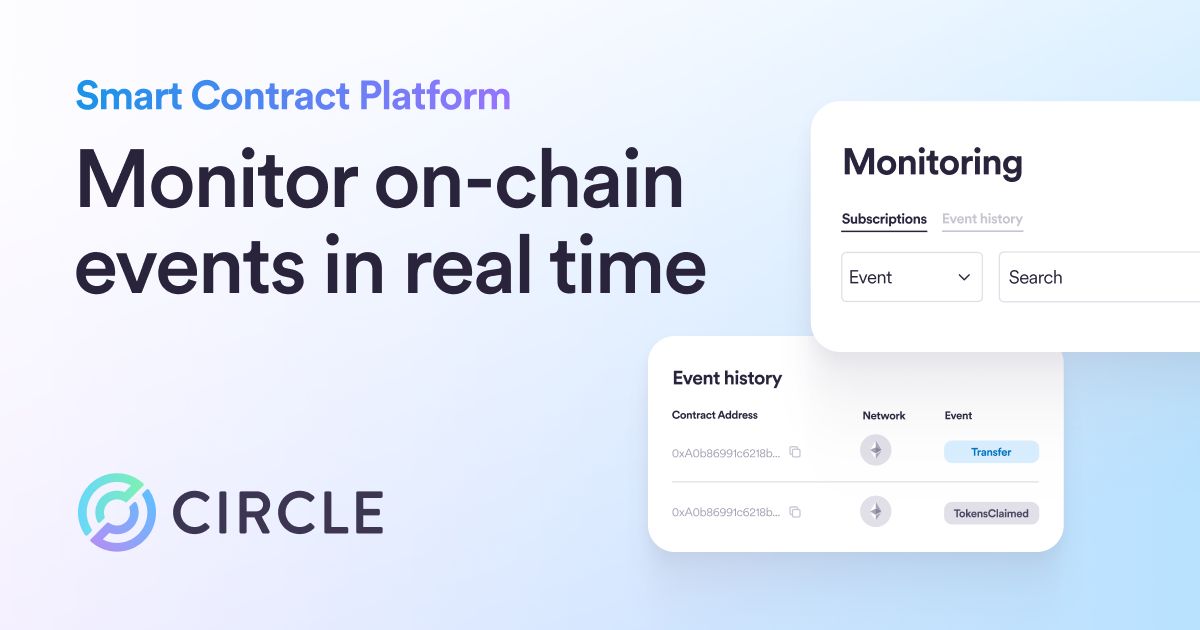
Start by identifying the specific EventLog signatures you need to track. This involves selecting the function signature (e.g., Transfer(address,address,uint256)) and filtering by indexed parameters. Defining these filters early ensures the monitor only ingests relevant data, reducing noise and latency.
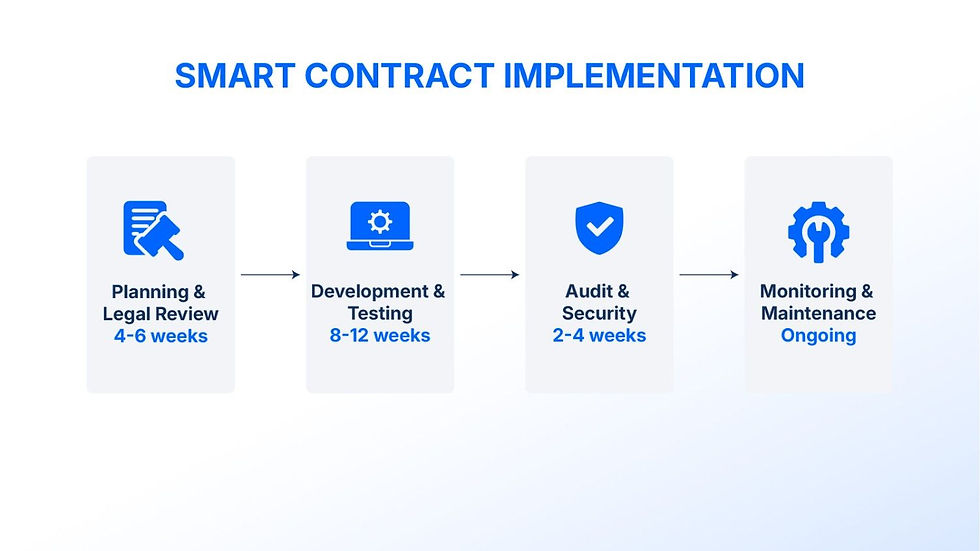
Use a platform like OpenZeppelin Defender to build a monitor template. This allows you to define the logic for parsing events and triggering responses in one place. Templates ensure consistency across multiple contracts and make it easier to deploy new monitors as your infrastructure scales.
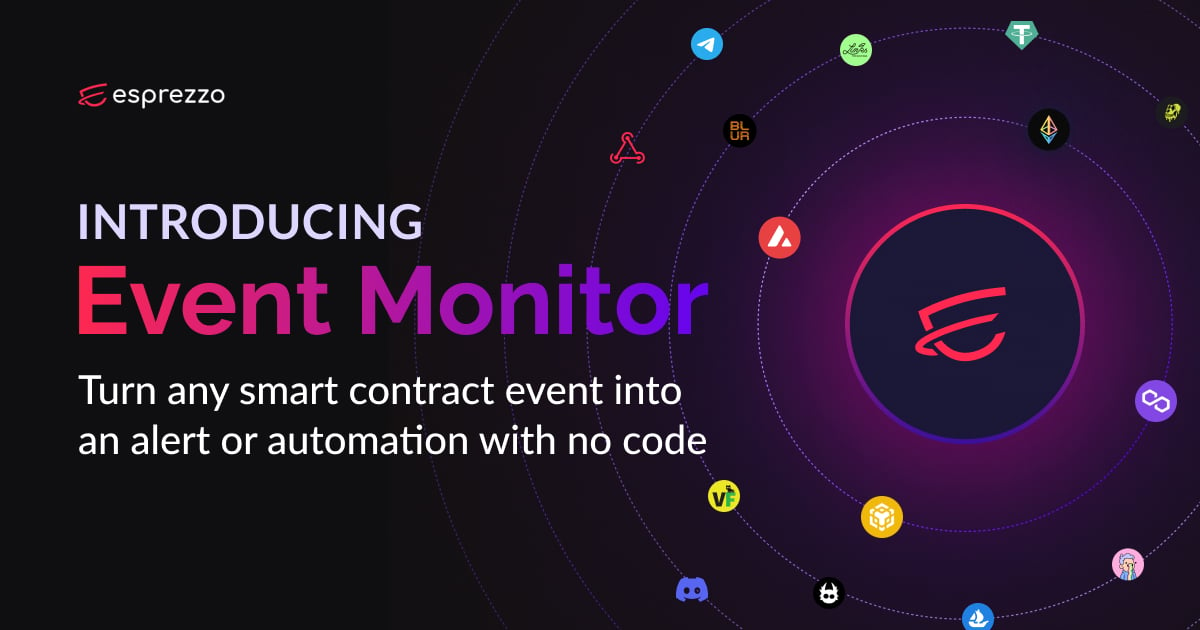
Link your monitor to specific actions, such as sending a Discord message, triggering a Slack webhook, or executing a transaction. Set thresholds for frequency or value to avoid alert fatigue. For example, you might only want to be notified if a large token transfer occurs outside of normal hours.
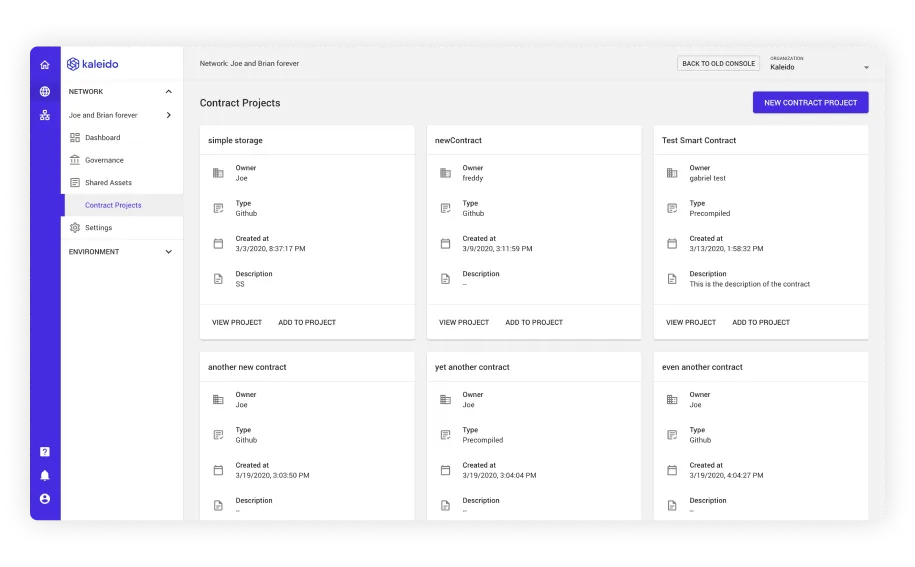
Before going live, deploy the monitor to a testnet or forked environment. Send test transactions that match your event signature to verify that the alert triggers correctly. This step is critical for catching false positives and ensuring your logic handles edge cases without delaying the actual alert.
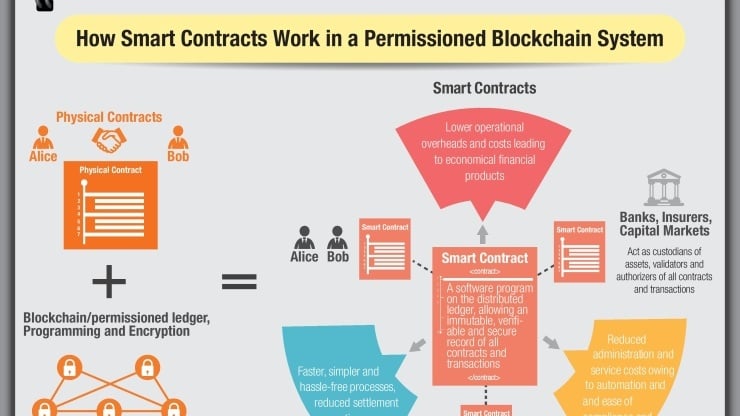
Once validated, deploy the monitor to production. Keep an eye on the alert history to refine your filters over time. As your contract usage changes, you may need to adjust thresholds or add new event signatures to maintain comprehensive coverage.
Choosing the right tool for your stack
Selecting a smart contract monitoring tool depends on your project's scale, budget, and team expertise. There is no single solution that fits every scenario; instead, you should align your choice with your specific operational needs.
For teams managing high-value mainnet deployments, enterprise-grade platforms like Forta or OpenZeppelin Defender offer robust threat detection and automated response capabilities. These tools integrate directly into your CI/CD pipeline, providing real-time alerts and on-chain visibility that is essential for mitigating severe financial risk.
Smaller projects or independent developers often benefit from open-source solutions like Slither or Mythril. These tools are excellent for static analysis during the development phase, helping to identify common vulnerabilities before deployment. They require more manual setup and interpretation but offer significant cost savings and flexibility.
Regardless of the tool you choose, prioritize integration with your existing workflow. A sophisticated monitoring system is only effective if your team can act on its alerts quickly. Consult official documentation for each tool to understand their specific API limits and integration requirements.


As an Amazon Associate, we may earn from qualifying purchases.
Common questions about contract monitoring
Monitoring smart contracts isn't just about watching for errors; it's about tracking on-chain activity in real time. The right setup depends on whether you need to react to specific events or verify that contract logic holds up under stress.
How much does it cost to monitor a contract?
Costs vary significantly based on the tool and the chain. Self-hosted solutions require infrastructure for node access, which can be expensive on high-traffic networks like Ethereum. Managed services like OpenZeppelin Defender offer tiered pricing based on the number of monitored contracts and transaction volume, making them scalable for teams that need to monitor across multiple chains without managing backend infrastructure.
What is the difference between event monitoring and transaction monitoring?
Event monitoring focuses on logs emitted by the contract, such as transfers or approvals. This is efficient for tracking specific state changes. Transaction monitoring is broader, analyzing the execution of transactions to detect anomalies or verify that safety properties hold during runtime. As noted in the Smart Contract Security Field Guide, optimizing data redundancy and understanding event signatures is critical for effective log analysis.
Can I automate responses to contract events?
Yes. Most modern monitoring tools allow you to create triggers that execute actions when specific conditions are met. For example, you can set up a monitor to automatically pause a contract if a balance drops below a threshold or to send an alert to your team's Slack channel. OpenZeppelin Defender provides templates for building these customized monitors, allowing you to define the logic that responds to on-chain activity.
No comments yet. Be the first to share your thoughts!