Smart contract monitoring limits to account for
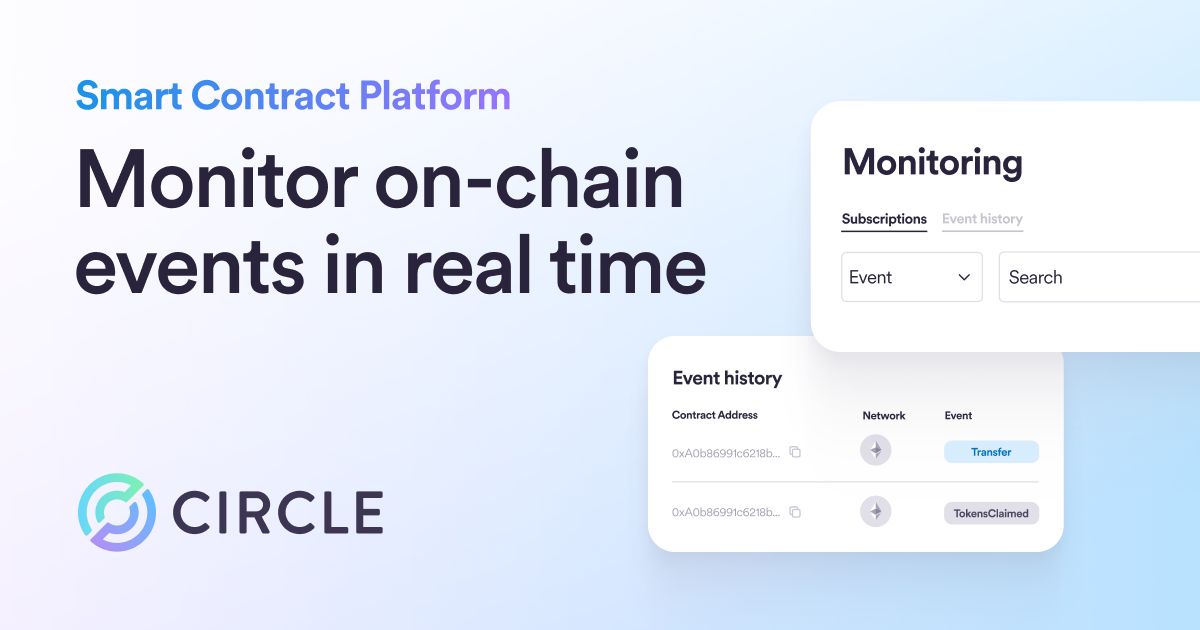
Smart contract monitoring operates under strict technical constraints that differ significantly from traditional software observability. In decentralized finance, you cannot simply attach an agent to a running process. Instead, monitoring relies on passive observation of the blockchain state and the interpretation of emitted events. This shift from active debugging to passive log analysis defines the entire monitoring strategy.
Event Signature and Log Analysis
The primary constraint is the cost and complexity of on-chain data. Every log entry consumes gas, meaning contracts emit only essential data. You must understand event signatures to parse these logs correctly. Misinterpreting an event signature can lead to false positives or missed security alerts. Tools must decode these signatures accurately to distinguish between routine state changes and anomalous behavior.
Data Redundancy and Indexing
Another critical constraint is data redundancy. Blockchains are immutable, but indexer reliability varies. If your monitoring tool relies on a single indexer, you risk blind spots if that service goes offline or falls behind. Best practices involve optimizing data redundancy by cross-referencing multiple data sources. This ensures that your security alerts trigger even if one data provider fails. Without this redundancy, your monitoring system becomes a single point of failure.
Post-Deployment Reality
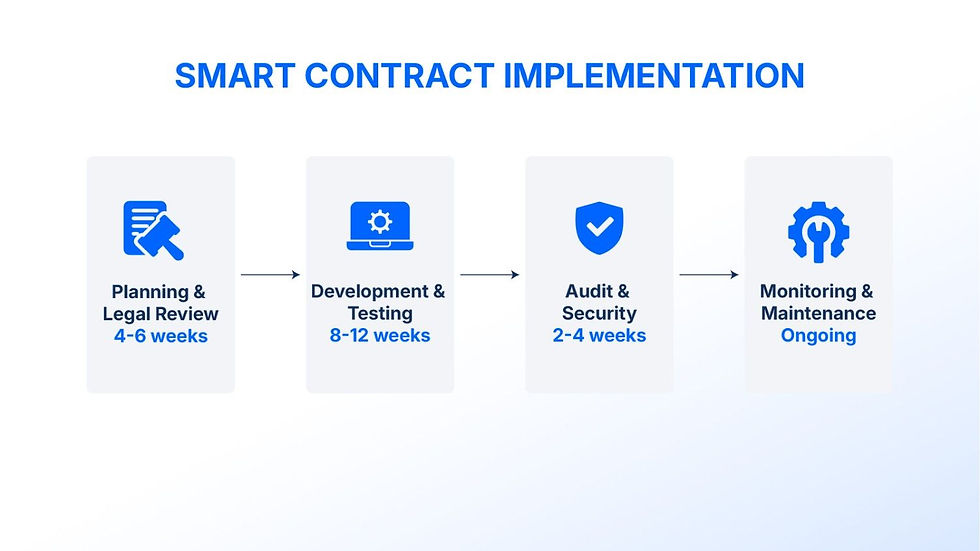
Finally, monitoring is not a one-time setup. As the Hacken.io security guide notes, post-deployment operations require continuous adaptation. New vulnerabilities emerge, and contract upgrades can change event structures. Your monitoring infrastructure must evolve alongside the code. Static rules quickly become obsolete in the fast-moving DeFi landscape. Continuous refinement of your monitoring logic is the only way to maintain security over time.
Smart contract monitoring choices that change the plan
Choosing a monitoring strategy requires balancing coverage, latency, and cost. No single tool captures every on-chain event without friction. Teams must evaluate how each approach handles data redundancy, event signature parsing, and cross-chain complexity.
Full Node RPC vs. Indexers
Running your own node offers complete data control but demands significant infrastructure overhead. You handle indexing, storage, and uptime. Indexers like The Graph or custom subgraphs offload this work. They provide faster query speeds but depend on third-party reliability and may lag during high network congestion.
Event Logs vs. Transaction Tracing
Event logs are cheaper and faster to process but can be missed if contracts fail to emit them. Transaction tracing captures state changes but is computationally expensive and often rate-limited by providers. Use tracing only for critical contracts where log emissions are unreliable or incomplete.
Real-Time vs. Batch Processing
Real-time monitoring via WebSocket connections detects threats instantly but consumes more resources and requires robust error handling for dropped connections. Batch processing polls blocks periodically. It is more resilient and cost-effective but introduces latency that may be unacceptable for high-value exploits.
| Factor | Full Node | Indexer | Tracing |
|---|---|---|---|
| Cost | High | Medium | Very High |
| Latency | Low | Medium | High |
| Reliability | High | Medium | Low |
| Complexity | High | Low | Medium |
Choose the next step
Smart Contract Monitoring works best as a clear sequence: define the constraint, compare the realistic options, test the tradeoff, and choose the path with the fewest hidden costs. That order keeps the advice usable instead of decorative. After each step, pause long enough to check whether the recommendation still fits the reader's actual situation. If it depends on perfect timing, unusual access, or a best-case budget, include a simpler fallback.
Avoid the weak options
The easiest mistake with Smart Contract Monitoring is comparing options on the most visible detail while ignoring the day-to-day constraint. A choice can look strong on paper and still fail because it is too hard to maintain, too expensive to repeat, or awkward in the actual setting. Use the same checklist for every option: fit, cost, durability, timing, upkeep, and fallback plan. That keeps the comparison practical instead of drifting into preference alone.
The simplest way to use this section is to write down the real constraint first, compare each option against it, and choose the path that still works outside ideal conditions.
Smart contract monitoring: what to check next
Smart contract monitoring is not a set-and-forget task. It requires active configuration to catch anomalies before they become exploits. Below are the most common practical objections developers and operators face when building a monitoring stack.
What is the difference between inline and on-chain monitoring?
Inline monitoring injects verification logic directly into the smart contract code. This provides immediate feedback but increases gas costs and can alter the contract’s behavior. On-chain monitoring, by contrast, watches transaction logs and state changes after deployment. It is non-intrusive and preferred for most post-deployment security operations.
How do I monitor smart contract events efficiently?
Optimize data redundancy by filtering logs based on specific event signatures rather than scanning every block. Tools like OpenZeppelin Defender allow you to build customized monitor templates that trigger alerts only when specific conditions are met. This reduces noise and ensures your team focuses on actionable anomalies.
Can monitoring prevent a hack if the code is flawed?
Monitoring detects the result of a flaw, not the flaw itself. Once a contract is deployed, its code cannot be modified. Monitoring techniques like runtime verification can improve reliability by flagging unexpected state changes, but they cannot fix logic errors. Prevention must happen during the design and testing phases, not during monitoring.
What are the best practices for smart contract event monitoring?
- Understand event signatures: Ensure your monitoring tools correctly parse the specific event logs emitted by your contract.
- Optimize data redundancy: Avoid redundant checks that waste resources without adding security value.
- Use log analysis tools: Leverage specialized tools to analyze logs for patterns indicative of exploits.
Helpful gear
Use these product recommendations as a starting point, then choose the size, material, and price point that fit how you actually use the gear.


As an Amazon Associate, we may earn from qualifying purchases.
No comments yet. Be the first to share your thoughts!