Why real-time monitoring matters now
Smart contract audits are no longer a finish line; they are a starting point. While static audits provide a snapshot of code safety at a specific moment in time, they cannot account for the evolving threat landscape, new exploit vectors, or complex interactions between integrated protocols. In 2026, the assumption that a "clean" audit guarantees security is outdated and dangerous.
The volume of on-chain value and the sophistication of attackers have shifted the risk profile. A vulnerability that might have been theoretical months ago can be weaponized in minutes once a contract goes live. Continuous, real-time monitoring acts as the immune system for your protocol, detecting anomalies, unusual transaction patterns, or potential exploit attempts as they happen, rather than after the damage is done.
This shift from periodic review to continuous oversight is critical for high-stakes finance. Protocols must integrate monitoring tools that track contract state changes, gas usage spikes, and interaction flows in real time. Without this layer of visibility, teams are essentially flying blind, relying on reactive measures that often come too late to prevent significant losses.
Building the Monitoring Backbone
Effective smart contract monitoring relies on a robust infrastructure that prioritizes data integrity and low-latency event detection. You cannot secure what you cannot see, and the visibility layer depends entirely on how you connect to the blockchain.
Node Reliability and RPC Strategy
Your node provider is the foundation of your monitoring stack. If your RPC endpoint drops or lags, your alerts arrive too late to matter. For high-stakes finance, relying on a single provider is a single point of failure. You need a strategy that aggregates data from multiple nodes to ensure uptime and consistency.
When a transaction is broadcast, different nodes may receive it at slightly different times. Your monitoring logic must account for this by verifying event logs against a consensus of nodes rather than trusting a single source. This redundancy prevents blind spots during high-traffic periods when mempool congestion is high.
Parsing Event Logs Efficiently
Smart contracts emit events to signal state changes. Parsing these logs efficiently is critical. You need to understand event signatures, which are the unique hashes that identify specific contract actions. Tools like OpenZeppelin Defender provide templates to monitor these events across chains, but you must configure them to filter only the logs relevant to your contract’s security parameters.
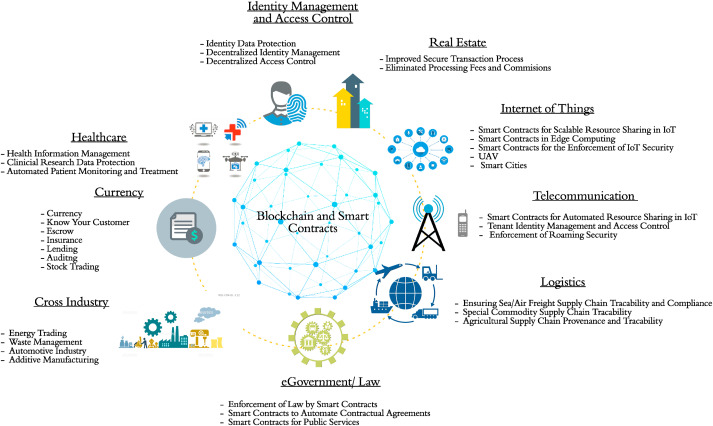
The complexity of parsing grows with the number of events. A well-structured monitoring system indexes logs by topic, allowing for rapid retrieval of specific events like transfers or ownership changes. This indexing ensures that your alerting engine can process thousands of events per second without dropping data.
Data Redundancy and Storage
Data redundancy is not just about backup; it is about verification. Storing event logs in a secondary database allows you to cross-reference on-chain data with off-chain analysis. This setup is essential for forensic investigations after an incident.
By combining reliable nodes, efficient log parsing, and redundant storage, you create a monitoring backbone that can withstand network volatility and provide the clear visibility needed to protect smart contracts.
Essential smart contract monitoring tools
Automated monitoring is the difference between a recoverable glitch and a drained treasury. The landscape has shifted from manual audits to continuous, on-chain surveillance. You need tools that fit specific roles: real-time alerting, anomaly detection, and compliance reporting.
Rather than buying one expensive suite for everything, most protocols stack specialized tools. A typical stack might use OpenZeppelin Defender for transaction execution and monitoring, Forta for decentralized bot detection, and a dedicated analytics dashboard for compliance. This approach ensures that if one layer fails, another catches the anomaly.
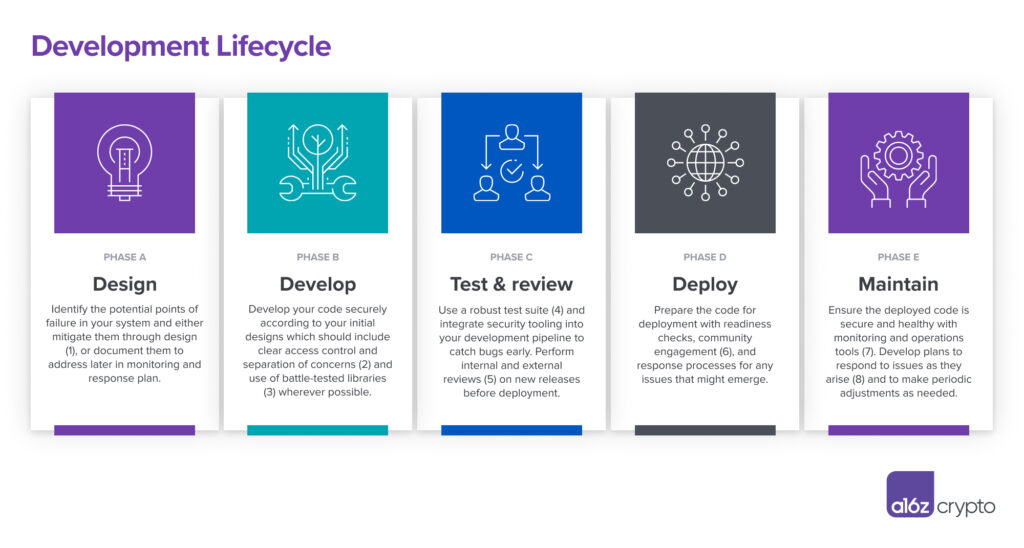
The table below compares the core capabilities of the top-tier platforms used in 2026. Look at "Alert Speed" and "Integration" to see which fits your existing infrastructure.
OpenZeppelin Defender
Defender is the industry standard for execution and monitoring. It allows you to monitor smart contract transactions and events across multiple chains. You build a customized Monitor template that triggers actions—like pausing a contract or sending a warning—when specific conditions are met. Its tight integration with OpenZeppelin's development tools makes it the first choice for teams already using their SDKs.
Forta
Forta operates differently. Instead of a central server, it uses a decentralized network of bots. These bots run your monitoring logic on nodes distributed across the network. This makes it resistant to censorship and single points of failure. If a contract exhibits suspicious behavior, the bot network can flag it instantly. It is particularly strong for anomaly detection rather than simple rule-based alerting.
Tenderly
Tenderly excels in the developer experience. It provides real-time monitoring alongside powerful debugging tools. If a transaction fails or behaves unexpectedly, Tenderly lets you simulate it step-by-step. This speed is critical when you need to identify the root cause of a bug before it escalates. It is less about long-term compliance and more about rapid incident response.
Halo Check
For protocols facing regulatory scrutiny, Halo Check offers risk scoring and compliance monitoring. It analyzes on-chain activity against known risk factors, such as interactions with sanctioned addresses or high-risk DeFi protocols. This tool is essential for institutions that need to prove their smart contracts are not facilitating illicit activity.
Sourcify
Sourcify focuses on verification. It ensures that the deployed bytecode matches the source code. While not a real-time alerting tool, it is a critical part of the monitoring infrastructure. Verified contracts allow other tools to read and monitor them accurately. Without verification, many monitoring bots cannot interpret the contract's state correctly.
Designing a risk analysis workflow
A monitoring tool is only as useful as the signal-to-noise ratio of its output. Without a structured workflow, alerts become background noise, leading to alert fatigue or missed critical events. The goal is to transform raw on-chain data into triaged actions that your team can execute.
Start by defining what "normal" looks like for your specific contracts. Use OpenZeppelin Defender to build customized Monitor templates that track specific transaction patterns or event emissions relevant to your protocol's logic OpenZeppelin Docs. This ensures you are monitoring the right data points, rather than casting a wide net across all chain activity.
Next, establish clear escalation protocols. Not every anomaly requires an immediate pause in operations. Categorize alerts by severity—informational, warning, and critical. Critical alerts, such as unexpected token transfers or permission changes, should trigger immediate notifications to your security team. Lower-severity events can be aggregated for daily review.
Finally, integrate your monitoring data with your existing incident response plan. Ensure that the alerts generated by your tools map directly to specific actions in your playbook. This reduces decision latency during a potential exploit. Refer to Consensys Smart Contract Best Practices to align your monitoring criteria with established security standards Consensys GitHub.
Identify which contracts and events matter most. Configure your monitoring tools to track only these high-value signals to reduce noise.
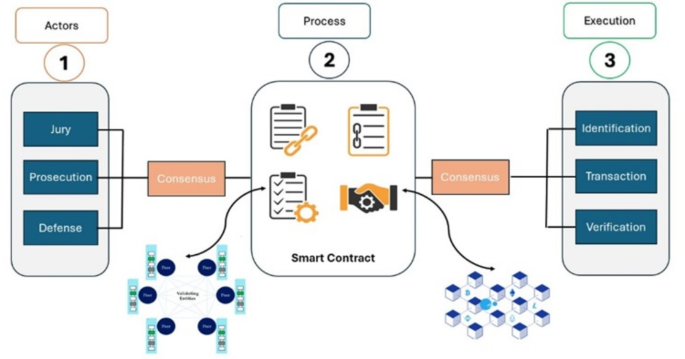
Set specific numerical or logical thresholds for each metric. Determine what constitutes a deviation from normal behavior for your protocol.
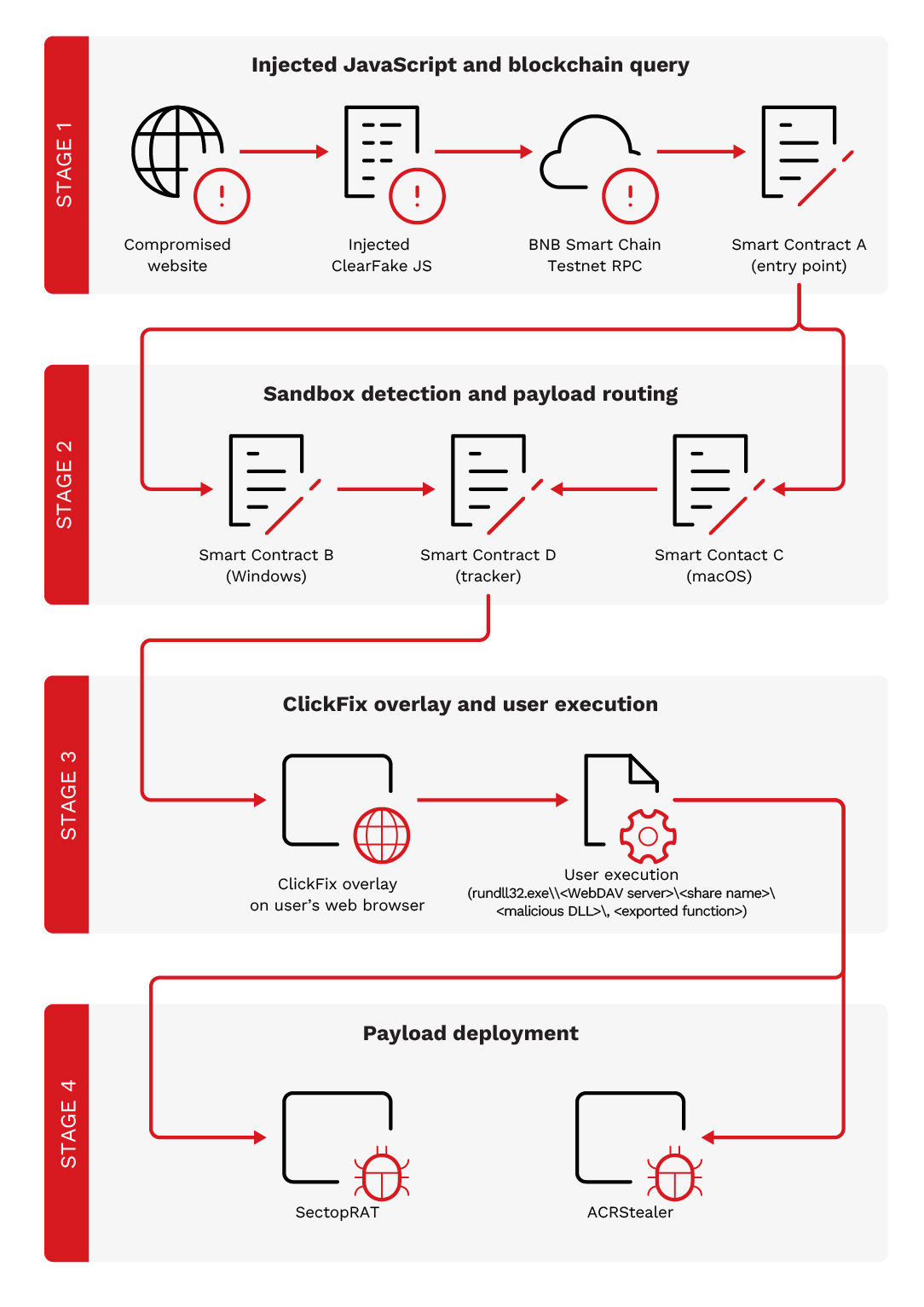
Route alerts to appropriate channels based on severity. Use Slack or PagerDuty for critical issues and email summaries for daily reviews.
Document the exact steps your team should take for each alert type. Ensure every notification has a corresponding action item in your incident playbook.
Avoid these common smart contract monitoring pitfalls
Even with the best tools, monitoring strategies often fail due to preventable oversights. In high-stakes finance, a single missed event can mean significant loss. The most frequent errors stem from poor configuration, insufficient data coverage, and over-reliance on fragile infrastructure.
Alert fatigue from noisy logs
Most monitoring techniques inject logic directly into the contract or rely on dense event logs. If you do not filter these signals carefully, you will be drowned in noise. A single transaction can emit dozens of events, many of which are irrelevant to your specific risk parameters. Configure strict filters to isolate only the events that matter to your strategy, such as large value transfers or state changes. Ignore the rest to keep your attention on genuine threats.
Insufficient log coverage
Relying on a single data source or a limited set of logs is dangerous. Smart contracts are immutable; once deployed, they cannot be patched. Runtime verification techniques are appealing for improving reliability, but they require comprehensive data. If your monitoring tool only tracks a subset of contract interactions, you will miss subtle exploits. Ensure your infrastructure captures all relevant state changes and events across the entire lifecycle of the contract.
Single points of failure
Do not rely on a single node or indexer for your monitoring data. If that source goes down or becomes stale, you are blind to critical activity. Use provider-backed widgets and redundant data feeds to ensure continuous visibility. For example, pairing a technical chart with a price widget can provide a more robust view of market conditions affecting the contract. Always have a fallback mechanism to verify data integrity.
Helpful gear
Use these product recommendations as a starting point, then choose the size, material, and price point that fit how you actually use the gear.



As an Amazon Associate, we may earn from qualifying purchases.
No comments yet. Be the first to share your thoughts!