Why continuous monitoring matters
A smart contract audit is a snapshot in time, not a permanent shield. Once code is deployed to the blockchain, the security landscape shifts instantly. New vulnerabilities can be discovered in existing libraries, or attackers may find novel ways to exploit previously unknown logic gaps. Relying solely on pre-deployment audits leaves your protocol exposed to dynamic, real-time threats.
Continuous monitoring acts as the live feed for your infrastructure. It detects suspicious activities, anomalous transaction patterns, and potential exploits as they happen. This real-time visibility allows teams to respond promptly, potentially halting a drain before funds are irreversibly lost. Static checks cannot catch the speed of modern blockchain attacks.
For security engineers, this means integrating tools that watch the blockchain 24/7. The goal is to move from reactive damage control to proactive threat mitigation. In a high-stakes environment, the difference between a patched bug and a drained treasury is often measured in seconds.
Core monitoring infrastructure layers
Effective smart contract monitoring relies on a layered technical stack. You need reliable node connectivity to fetch raw data, event indexing to make that data searchable, and alerting pipelines to notify you when anomalies occur. Without this foundation, you are reacting to incidents after the damage is done.
Node connectivity
Your monitoring system starts with a node. Whether you run your own infrastructure or use a provider like Alchemy or Infura, the node is your window into the blockchain. You need low-latency access to the latest blocks to detect suspicious transactions in real-time. For high-stakes contracts, redundancy is non-negotiable; if one node fails or lags, your monitoring gaps widen.
Event indexing
Raw blockchain data is verbose and hard to parse. Event indexing transforms raw logs into structured data you can query. Tools like The Graph or custom indexer services map specific contract events to databases. This layer is critical for tracking state changes, such as token transfers or ownership updates, without scanning every block from genesis. As the Smart Contract Security Field Guide notes, optimizing data redundancy and understanding event signatures are key to efficient log analysis.
Alerting pipelines
Indexed data is useless if no one sees it. Alerting pipelines connect your indexed data to notification channels like Slack, Discord, or PagerDuty. OpenZeppelin Defender, for example, allows you to monitor smart contract transactions and events across chains using customized templates. You define the conditions—such as a large withdrawal or a failed transaction—and the pipeline handles the rest. This ensures your team is notified instantly, not hours later.
The value at risk in smart contract vulnerabilities often correlates with market movements. A dip in ETH price might trigger a spike in exploit attempts as attackers look for underfunded or panicked protocols. Monitoring infrastructure must account for this volatility.
Top smart contract monitoring tools
Choosing the right monitoring tool depends on whether you need to catch bugs before they go live or respond to exploits in real-time. Most production teams use a combination of static analysis and live on-chain watchers. The tools below represent the current standard for infrastructure, each handling a different part of the security lifecycle.
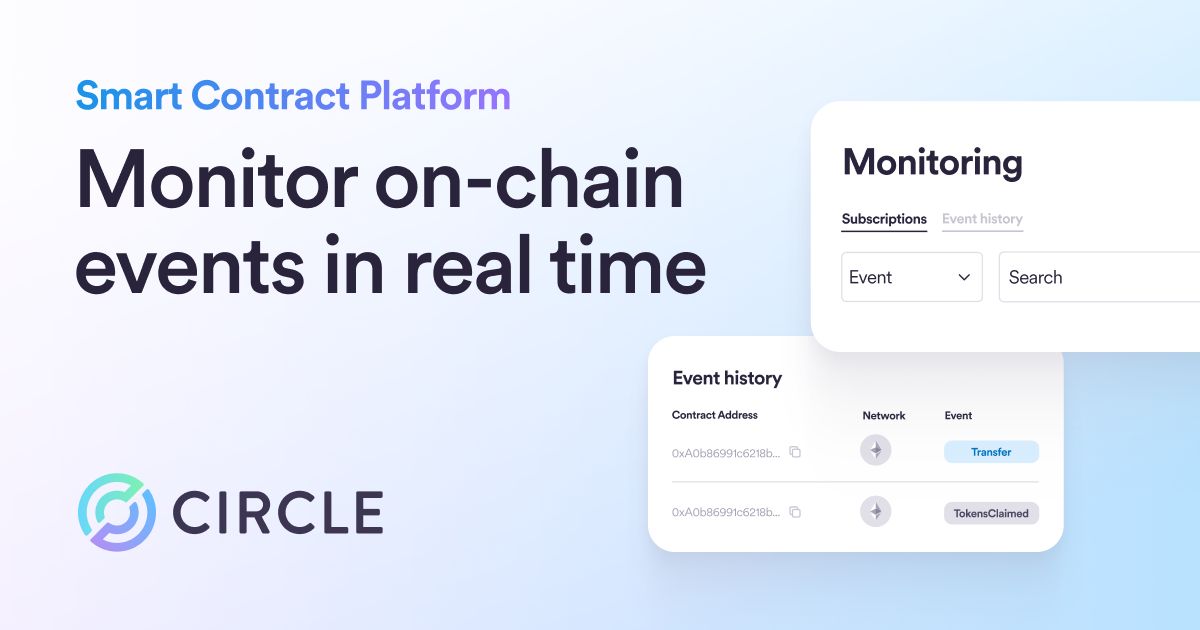
OpenZeppelin Defender
OpenZeppelin Defender is the industry standard for post-deployment management. It allows you to create custom monitors that watch for specific on-chain events and trigger automated responses via Defender Automations. This is ideal for high-stakes contracts where manual intervention is too slow. You can set it up to pause a contract, blacklist an address, or execute a recovery function when a threshold is breached.
Forta
Forta operates as a decentralized network of bots that monitor blockchain activity in real-time. Instead of relying on a single central provider, Forta aggregates signals from thousands of independent bot operators. This makes it highly resilient against single points of failure. It is particularly effective for detecting complex, multi-step exploits that might slip past standard static analysis tools.
Tenderly
Tenderly focuses on the development and testing phase. Its simulation engine allows you to replay transactions and predict outcomes before they hit the mainnet. This is essential for stress-testing smart contracts under various market conditions. Tenderly also provides detailed trace data for debugging failed transactions, making it a critical tool for engineering teams during the pre-deployment stage.
Comparison of Key Features
The table below compares the core capabilities of these three platforms. Note that Defender and Forta are primarily for live monitoring, while Tenderly shines in pre-deployment simulation.
| Tool | Primary Use | Automation | Supported Chains |
|---|---|---|---|
| OpenZeppelin Defender | Post-deployment management | Yes, via Automations | EVM (Multi-chain) |
| Forta | Decentralized threat detection | Bot-driven alerts | EVM, Solana, Cosmos |
| Tenderly | Dev & testing simulation | Limited, focused on debugging | EVM (Multi-chain) |
Designing a monitoring strategy
Smart contracts are immutable by default, which means your monitoring infrastructure must act as an external nervous system. You cannot patch code after deployment, so you must define exactly what to watch and how to react. The goal is to distinguish between routine gas fluctuations and actual threat vectors.
Start by mapping your contract’s high-risk entry points. Focus on functions that move funds, change ownership, or modify core state. Use event logs to track large transfers and parameter changes. This creates a baseline of normal activity against which anomalies are measured.
Alert fatigue is the enemy of security. Set strict thresholds for transaction volume and frequency. Route low-severity gas spikes to a dashboard, but send high-value transfers or unusual state changes to immediate incident channels. Clear triage rules prevent your team from ignoring critical warnings.

As noted in research on transaction monitoring, monitors act as defensive mechanisms where developers write properties that must hold during execution. Implement these checks to validate that contract state remains consistent with your intended logic. If a property fails, the system should flag it for immediate review.
Monitoring is useless if your team cannot act. Run tabletop exercises to simulate a critical alert. Verify that your alert channels are active and that your response playbook is clear. Regular testing ensures that when a real issue arises, your team responds with precision rather than panic.
A robust monitoring strategy is not just about seeing what happens; it is about having a clear path to action. By focusing on critical functions and maintaining strict triage rules, you turn raw data into actionable intelligence.
Helpful gear
Use these product recommendations as a starting point, then choose the size, material, and price point that fit how you actually use the gear.


As an Amazon Associate, we may earn from qualifying purchases.
No comments yet. Be the first to share your thoughts!