Why monitoring matters for on-chain security
Smart contract audits are a snapshot, not a shield. They verify code correctness at a specific moment in time, but they cannot predict how external conditions will shift once a contract goes live. Real-time smart contract monitoring bridges this gap by providing continuous oversight of on-chain activity, allowing teams to detect anomalies, exploit attempts, and unexpected state changes as they happen.
Without active monitoring, a project is blind to the dynamic risks that emerge post-deployment. Attackers often exploit subtle shifts in gas prices, oracle data, or user behavior patterns that static analysis misses. Continuous visibility turns reactive incident response into proactive risk mitigation, giving operators the window needed to pause contracts, revoke permissions, or patch vulnerabilities before capital is drained.
The stakes are highest when network congestion spikes or gas fees fluctuate wildly. During these periods, transaction ordering becomes unpredictable, creating opportunities for front-running or reentrancy attacks that rely on precise timing. Monitoring tools that track gas trends and transaction volumes provide the context needed to identify these high-risk windows.
Relying solely on post-mortem analysis is no longer sufficient. As smart contracts become more complex and interconnected, the attack surface expands. Monitoring transforms security from a one-time compliance checklist into an ongoing operational discipline, ensuring that the integrity of the protocol is maintained throughout its entire lifecycle.
Core smart contract monitoring tools
Choosing the right platform for smart contract monitoring depends on whether you prioritize developer integration, real-time alerting, or cross-chain visibility. Leading tools like OpenZeppelin Defender and Tenderly offer distinct advantages for tracking on-chain activity and preventing exploits.
OpenZeppelin Defender focuses on programmable monitoring. It allows developers to define custom monitor templates using JavaScript, enabling precise filtering of transactions and events across multiple chains. This approach is ideal for teams that need granular control over what triggers an alert, integrating directly into existing CI/CD pipelines for automated responses.
Tenderly provides a more visual, incident-managed approach. Its platform excels in real-time transaction simulation and debugging, allowing teams to catch issues before they hit mainnet. Tenderly’s alerting system is designed for rapid incident response, offering webhooks and notifications that help teams manage dapp performance and react to anomalies instantly.
The following comparison highlights key differences in alerting speed, supported chains, and integration ease to help you select the right tool for your infrastructure.
| Feature | OpenZeppelin Defender | Tenderly |
|---|---|---|
| Alerting Style | Custom JS templates | Visual rules & webhooks |
| Primary Strength | Programmable automation | Simulation & debugging |
| Chain Support | Multi-chain (EVM) | Multi-chain (EVM) |
| Integration | CLI & API | Dashboard & SDK |
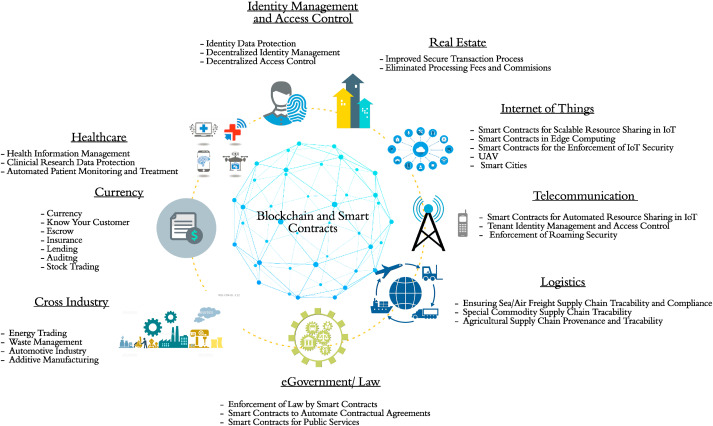
Smart Contract Monitoring Infrastructure
A reliable monitoring stack must process blockchain data in real time to detect anomalies before they become exploits. This requires a pipeline that captures raw events, decodes them against known signatures, and flags deviations from expected behavior. The architecture typically involves an indexer that listens to node RPC endpoints, a decoder that translates calldata into human-readable logs, and a rule engine that triggers alerts.
Optimizing Event Signatures
Not all contract logs are created equal. Monitoring infrastructure should prioritize high-value event signatures—those that represent state changes, ownership transfers, or large token movements. Redundant or low-signal logs (such as internal accounting updates) should be filtered out to reduce storage costs and processing latency. By focusing on specific function selectors and event topics, you can build a leaner, faster monitoring system that reacts instantly to critical transactions.
Log Analysis and Decoding
Raw blockchain data is opaque without proper decoding. Monitoring tools must match incoming log topics against the ABI (Application Binary Interface) of the target contracts. This process converts hexadecimal data into readable parameters, allowing analysts to understand the context of each event. Advanced setups also correlate logs across multiple contracts to trace complex transaction flows, ensuring that no part of the interaction goes unnoticed.
Infrastructure Resilience
Monitoring itself must be fault-tolerant. Relying on a single node creates a single point of failure. A robust setup distributes RPC requests across multiple providers and includes fallback mechanisms to ensure continuous data ingestion. Additionally, the alerting system should be decoupled from the ingestion layer, so that a spike in transaction volume does not block critical security notifications.
Analyzing on-chain activity patterns
Interpreting on-chain data requires distinguishing between legitimate high-volume activity and potential exploit attempts. Normal market fluctuations, such as a sudden surge in trading volume during a major announcement, often mimic the transaction patterns seen in flash loan attacks or liquidity drains. Without context, these spikes can trigger false positives, while subtle anomalies may slip through undetected.
To reduce noise, focus on transaction sequences rather than isolated events. Look for rapid, circular transfers between newly created addresses or unusual interactions with permissionless functions. These patterns often indicate automated bots or malicious actors probing for vulnerabilities. Cross-referencing these transactions with real-time price movements helps confirm whether the activity is driven by market sentiment or exploitation.
Live market data provides essential context for these patterns. A sudden price drop accompanied by large sell orders might be a legitimate market correction, but if the same drop is preceded by a series of small, test transactions from the same wallet, it could signal a coordinated attack. Monitoring tools that integrate price widgets allow you to correlate contract interactions with asset performance in real time.
Building a complete monitoring strategy
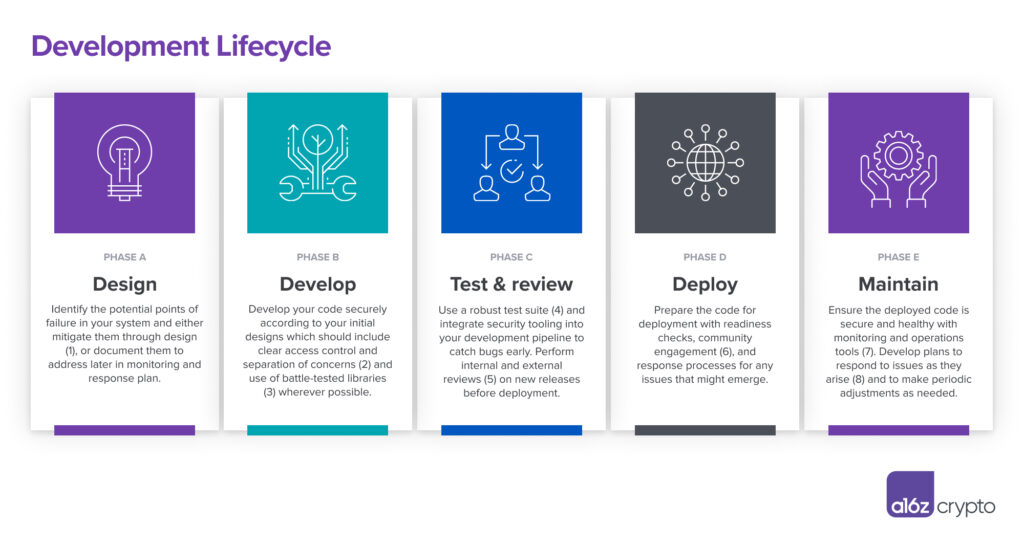
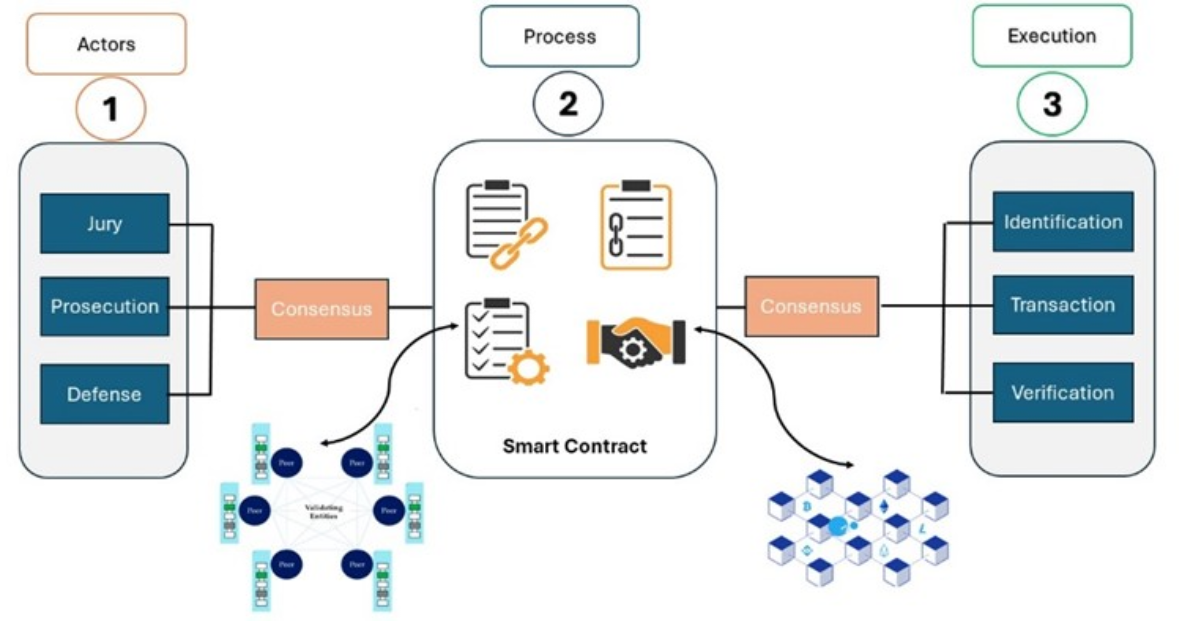
A robust smart contract monitoring strategy requires integrating tools, infrastructure, and analysis workflows into a cohesive security posture. This checklist guides you through the essential steps to deploy and validate a comprehensive system.
Identify the specific contracts, networks, and transaction types that require monitoring. Establish clear risk thresholds and define what constitutes a critical alert versus a routine notification to prevent alert fatigue.
Implement real-time listeners for critical events such as ownership transfers, large token movements, or function calls. Use tools like Forta or custom RPC nodes to capture blockchain data as it happens, ensuring minimal latency in detection.
Connect your listeners to off-chain analysis platforms that can correlate on-chain data with external signals. This includes monitoring gas price spikes, network congestion, or known exploit patterns from security databases to provide context for alerts.

Create predefined response protocols for different alert severities. This might include automatically pausing a contract, notifying the security team via Slack or email, or triggering a multisig signature process for immediate intervention.
Regularly test your monitoring infrastructure against simulated attack scenarios and known exploit signatures. Ensure that your alerts are accurate, your response workflows are functional, and your data retention policies comply with legal and operational requirements.
Helpful gear
Use these product recommendations as a starting point, then choose the size, material, and price point that fit how you actually use the gear.


As an Amazon Associate, we may earn from qualifying purchases.
No comments yet. Be the first to share your thoughts!