Why monitoring matters after deployment
Security does not end when you hit the deploy button. Once a smart contract is live on-chain, the code is immutable; you cannot patch a bug or change a parameter if an exploit is underway. This permanence is why a Smart Contract Monitoring guide must prioritize continuous runtime observation over one-time audits.
An audit is a snapshot in time, but the blockchain is a moving target. As Numen Cyber Technology notes, contracts should be continuously monitored to detect and respond promptly to suspicious activities. Without active eyes on the transaction flow, you are blind to anomalies until the damage is irreversible.
Runtime verification techniques allow developers to observe contract state and logic execution in real-time. Instead of waiting for a post-mortem analysis, monitoring tools flag deviations from expected behavior immediately. This shift from static analysis to dynamic observation is essential for maintaining reliability in an environment where code cannot be modified.
Core monitoring strategies for solidity
Smart contract monitoring relies on three technical pillars: event logs, signatures, and data redundancy. Together, these elements form the foundation for efficient off-chain analysis. Without them, tracking on-chain activity becomes a resource-intensive guessing game.
Event logs and signatures
Event logs are the primary communication channel between a smart contract and the outside world. When a contract executes, it emits logs that include topics (indexed arguments) and data (non-indexed arguments). The signature of an event—the unique hash of its name and argument types—acts as the key to decode these logs.
Optimizing event signatures is critical for reducing gas costs while maintaining monitorability. By carefully choosing which arguments to index, you balance the cost of emitting logs against the ease of querying them later. The Solidity documentation provides the definitive reference for how these signatures are derived and stored.
Data redundancy and efficiency
Data redundancy ensures that off-chain indexers can reconstruct state changes even if some logs are dropped or reordered. This involves including sufficient context in non-indexed arguments so that the full scope of an action is captured without requiring additional database lookups.
Efficient off-chain analysis depends on this redundancy. It allows monitoring tools to process logs in parallel and maintain a consistent view of the blockchain state. The Smart Contract Security Field Guide offers best practices for structuring these logs to maximize reliability and minimize storage overhead.
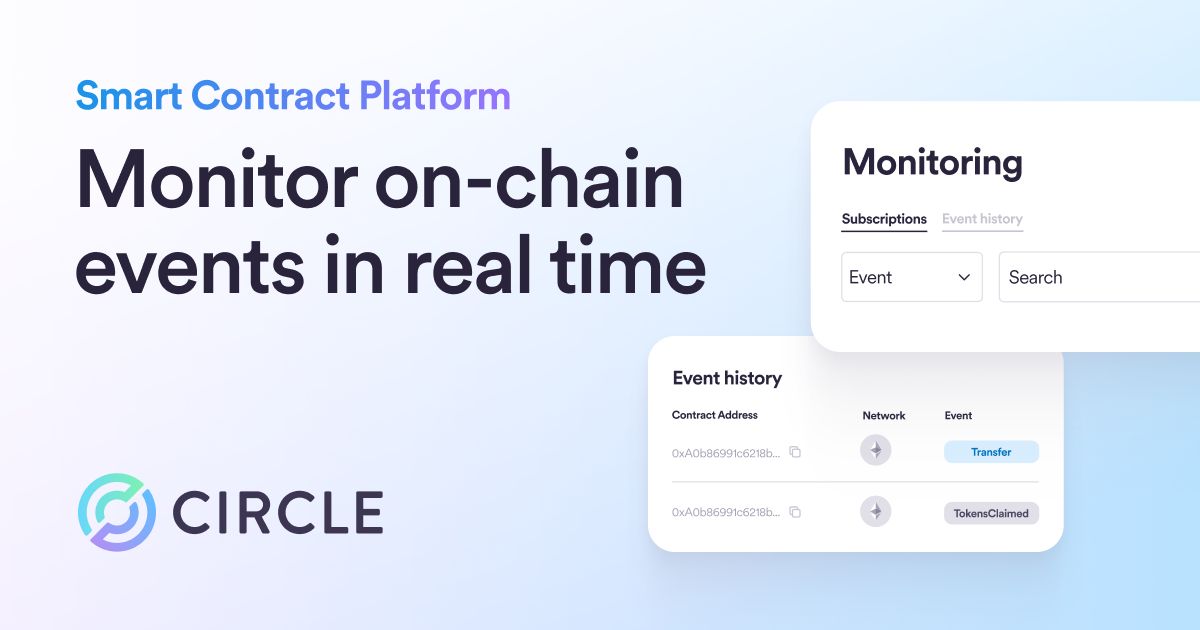
Essential tools for real-time detection
Smart Contract Monitoring works best as a clear sequence: define the constraint, compare the realistic options, test the tradeoff, and choose the path with the fewest hidden costs. That order keeps the advice usable instead of decorative. After each step, pause long enough to check whether the recommendation still fits the reader's actual situation. If it depends on perfect timing, unusual access, or a best-case budget, include a simpler fallback.
The simplest way to use this section is to write down the real constraint first, compare each option against it, and choose the path that still works outside ideal conditions.
Runtime verification and anomaly detection
Once a smart contract is deployed, its code cannot be modified. This immutability makes smart contract monitoring critical for maintaining reliability over time. While static analysis catches bugs before deployment, it cannot predict how a contract will interact with dynamic on-chain environments. Runtime verification bridges this gap by continuously checking that the contract’s actual behavior matches its formal specifications while it is executing.
Runtime verification works by inserting lightweight monitors into the execution path. These monitors observe state changes and function calls in real-time, flagging deviations from expected logic. For example, if a token transfer violates a defined invariant—such as total supply exceeding a cap—the monitor can trigger an alert or halt the transaction. This approach is particularly effective for detecting logic errors that only manifest under specific, complex conditions that static tools might miss.
Beyond specification checking, anomaly detection adds a layer of behavioral analysis. Instead of relying solely on predefined rules, these systems establish a baseline of normal activity for a contract. They then use statistical models or machine learning to identify outliers, such as unusual gas consumption patterns or unexpected interaction frequencies. This is essential for catching sophisticated attacks or implementation flaws that do not violate explicit rules but deviate from healthy operational norms.
Combining these techniques provides a robust defense-in-depth strategy. Formal verification ensures the code is logically sound at a high level, while runtime monitoring catches deviations during actual usage. Together, they allow developers and security engineers to respond to issues promptly, preserving user funds and contract integrity in an unpredictable blockchain landscape.
Build your smart contract monitoring checklist
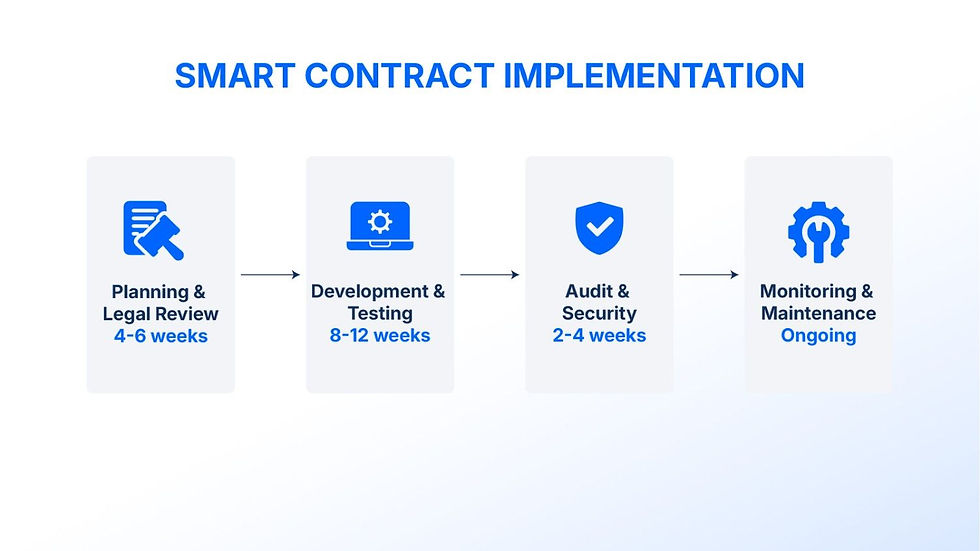
Monitoring isn't a set-and-forget feature; it's a layered defense system. To catch exploits before they drain liquidity, you need a structured workflow that moves from data ingestion to alert triage. This checklist ensures your security posture is active, not passive.

Helpful gear
Use these product recommendations as a starting point, then choose the size, material, and price point that fit how you actually use the gear.


As an Amazon Associate, we may earn from qualifying purchases.
No comments yet. Be the first to share your thoughts!