Why smart contract monitoring matters now
Smart contract monitoring is the ongoing review of contract activity, behaviour, and risk signals after deployment. In 2026, this practice has shifted from a recommended best practice to a non-negotiable requirement for any DeFi protocol managing user funds. The landscape has evolved far beyond simple transaction logging; modern infrastructure must detect subtle anomalies in real-time to prevent catastrophic losses.
The cost of inaction is measured in millions. Recent DeFi exploits often stem from unmonitored state changes or oracle failures that automated systems could have flagged before they were exploited. Without continuous oversight, protocols are blind to the slow bleed of vulnerabilities that precede a major hack.
Monitoring provides the visibility needed to act on insights and mitigate risks. It allows teams to centralize data, establish controlled access, and refine their security posture based on live threat intelligence. As the ecosystem grows more complex, relying on post-mortem analysis is no longer sufficient. Proactive monitoring is the only way to maintain trust and solvency in a high-stakes environment.
Core monitoring infrastructure
Effective smart contract monitoring relies on three technical layers: event logs for state changes, transaction tracing for execution flow, and off-chain data feeds for external context. Together, these layers form the nervous system of any on-chain application. Without them, you are operating blind.
Event logs and state changes
Smart contracts emit events—lightweight records of significant actions—to the blockchain. These logs are the most efficient way to track state changes because they do not consume gas in the same way as storage writes. Tools like Etherscan or Blockscout index these events, allowing you to query specific contract interactions without syncing the entire chain.
Optimizing event data is critical. Redundant data in logs can bloat storage and increase costs. Focus on emitting only the necessary parameters: transaction hashes, user addresses, and token amounts. This keeps your monitoring stack lean and responsive.
Transaction tracing
Event logs tell you what happened, but transaction tracing reveals how it happened. Tracing tools like Tenderly or Alchemy trace execution step-by-step, exposing internal function calls and state modifications that logs might miss. This is essential for debugging complex DeFi protocols where multiple contracts interact in a single transaction.
Monitors act as defensive mechanisms here. By setting up alerts on specific trace conditions, developers can detect unexpected behavior, such as a reentrancy attempt or an unauthorized state change, in real-time. This granular visibility is what separates basic monitoring from robust security infrastructure.
Off-chain data feeds
Smart contracts often need to react to real-world data, such as price feeds or weather events. Oracles like Chainlink bridge this gap, providing reliable off-chain data on-chain. Monitoring these feeds is just as important as monitoring the contract itself. If an oracle feed stalls or returns stale data, your contract’s logic may fail or execute incorrectly.
Integrating a TechnicalChart helps visualize the underlying asset’s performance alongside your contract’s activity, ensuring that data discrepancies are spotted early.
Combining on-chain event logs, transaction traces, and off-chain oracle data creates a comprehensive monitoring framework. This triad allows you to detect issues before they become exploits, keeping your infrastructure secure and reliable.
Compare smart contract monitoring tools
Selecting the right smart contract monitoring platform depends on your team's technical depth and the specific risks you face. While manual audits catch logic errors, continuous monitoring detects runtime anomalies. The leading tools—OpenZeppelin Defender, Tenderly, and Forta—offer distinct approaches to tracking blockchain activity.
OpenZeppelin Defender focuses on operational security for developers. It integrates directly with the deployment workflow, allowing you to set up automated alerts for critical events. This is particularly useful for teams that want to maintain control over their infrastructure without building custom alerting systems from scratch.
Tenderly provides a high-fidelity simulation environment. It is ideal for debugging complex transactions before they hit the mainnet. Its real-time monitoring capabilities allow you to trace execution steps, making it easier to identify where a transaction failed or behaved unexpectedly.
Forta operates as a decentralized network of bots. It is designed for community-driven detection of malicious activity. If you are monitoring high-value protocols, Forta's distributed model can offer an additional layer of security by leveraging the insights of a broad community of security researchers.
| Platform | Primary Focus | Integration Style | Pricing Model |
|---|---|---|---|
| OpenZeppelin Defender | Operational Security | CLI & Dashboard | Free tier + Usage-based |
| Tenderly | Debugging & Simulation | API & Webhooks | Free tier + Usage-based |
| Forta | Decentralized Detection | Bot Framework | Bounty-based |
Analysis strategies for risk detection
Monitoring raw blockchain data is only useful if you can interpret it. The gap between seeing an event and understanding its threat level is where most breaches happen. Effective smart contract monitoring requires turning streams of transaction logs into actionable intelligence through three distinct layers: anomaly detection, threshold management, and incident response.
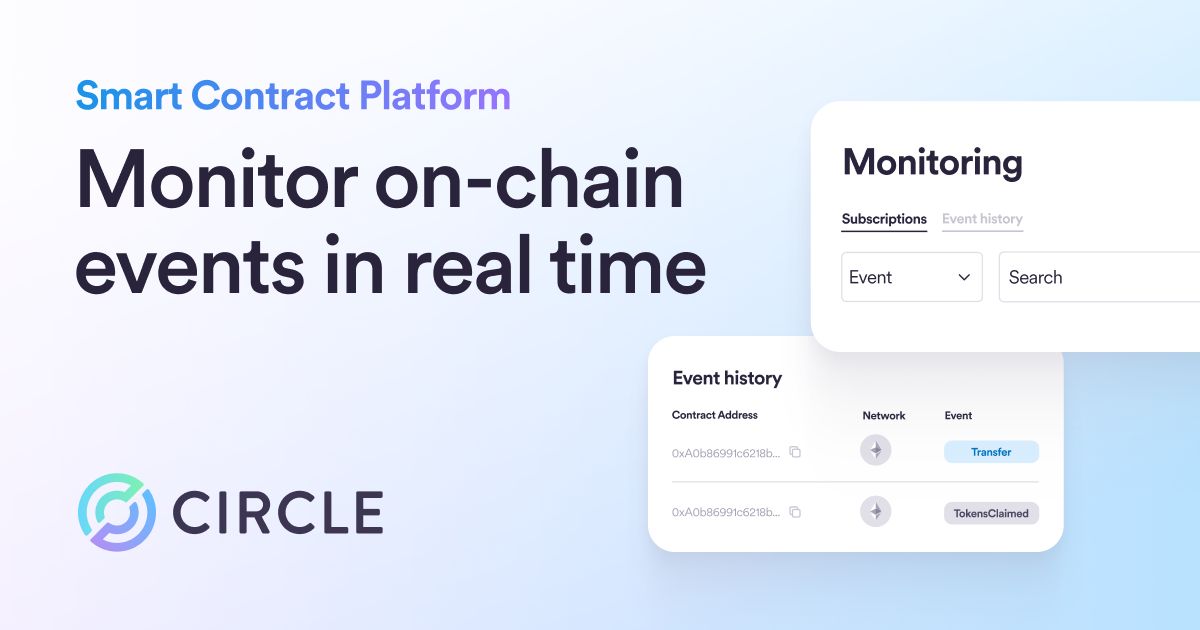
Static rules miss novel attacks. Instead of checking only for known bad signatures, track the behavioral baseline of your contract. If a DeFi protocol usually processes ten transactions per minute and suddenly spikes to five hundred, that volume anomaly often precedes a drain. Runtime verification techniques help here by continuously checking if the contract’s current state aligns with its intended logical invariants, rather than just its code.
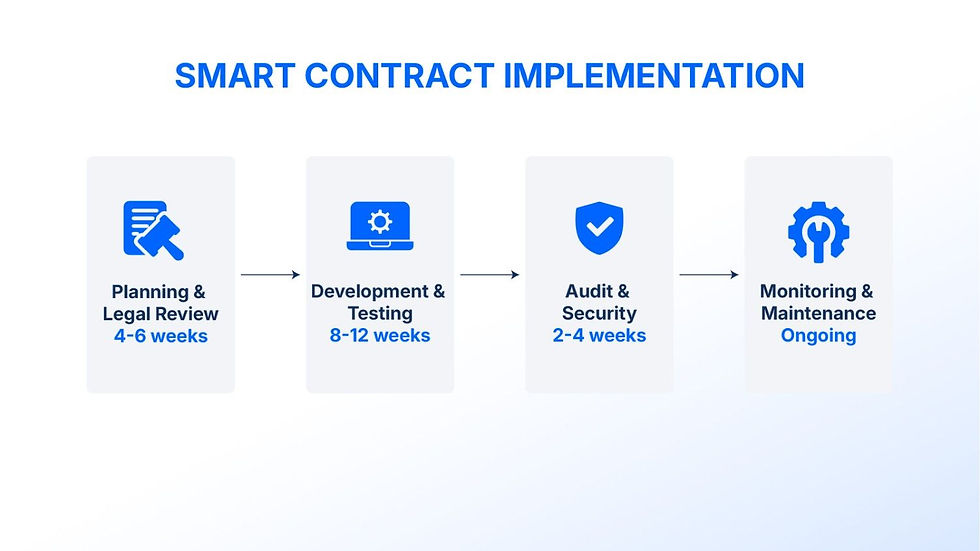
Fixed alert thresholds fail during market stress. A withdrawal limit that triggers normally might be completely normal during a flash crash. Configure thresholds that scale with network activity or token volatility. This reduces alert fatigue by ignoring noise during high-traffic periods while remaining sensitive to subtle manipulation attempts when the market is quiet.
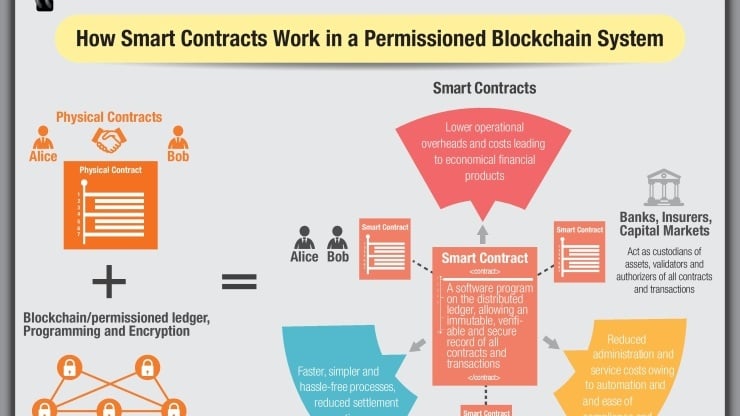
Human reaction time is too slow for smart contract exploits. Pre-define automated responses for critical flags: pause the contract, revoke admin keys, or trigger a circuit breaker. The goal is to contain the bleed within seconds, not hours. Continuous monitoring tools should integrate directly with these response mechanisms to execute predefined mitigations without manual intervention.
| Metric | Static Rule | Dynamic Threshold |
|---|---|---|
| Alert Sensitivity | Constant | Adaptive to volume |
| False Positives | High during spikes | Low, context-aware |
| Setup Complexity | Low | Medium |
The market moves fast, and your monitoring strategy must reflect that speed. Watch how the underlying asset behaves in real-time to correlate contract activity with broader market movements.
Smart Contract Monitoring Tools and Infrastructure
The smart contract monitoring market has shifted from simple block explorers to specialized, protocol-aware platforms. As DeFi complexity grows, developers and security teams need tools that understand specific contract logic rather than just generic transaction data. This evolution means the "best" tool depends entirely on your stack.
Choosing the right infrastructure requires balancing coverage, latency, and cost. Enterprise-grade platforms offer comprehensive dashboards and custom alerting but come with higher price tags. Open-source or lightweight solutions provide flexibility and lower overhead but may require more manual configuration to detect sophisticated exploits.
When evaluating vendors, prioritize those that support your specific chain and contract standard (e.g., ERC-20, ERC-721, or custom L2 rollups). Look for real-time event parsing capabilities and integration with your existing incident response workflows. A tool that cannot parse custom logs is effectively blind to your protocol's unique risks.
For developers seeking to deepen their understanding of these tools and security practices, several foundational resources can help bridge the gap between theory and implementation.
As an Amazon Associate, we may earn from qualifying purchases.
No comments yet. Be the first to share your thoughts!