Why monitoring matters now
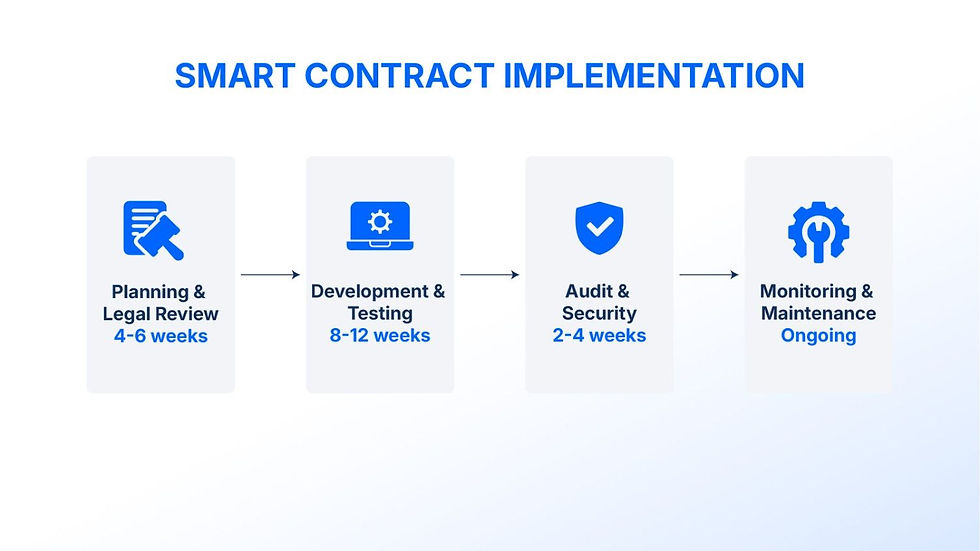
Smart contract monitoring requires a clear sequence: define the constraint, compare realistic options, test the tradeoff, and choose the path with the fewest hidden costs. This order keeps the advice usable instead of decorative.
After each step, pause to check whether the recommendation still fits the reader's actual situation. If it depends on perfect timing, unusual access, or a best-case budget, include a simpler fallback.
Core monitoring infrastructure
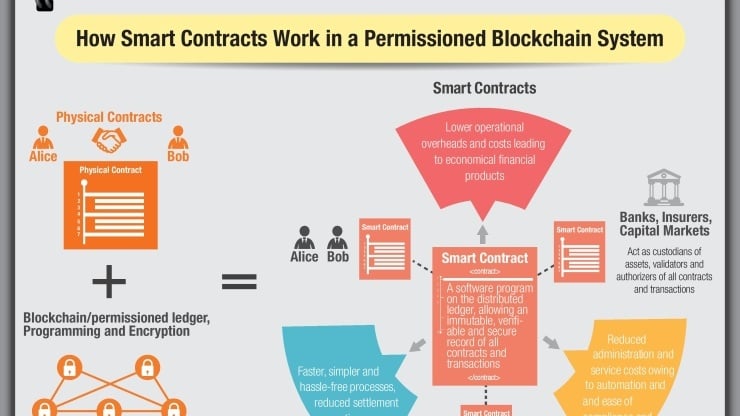
Smart contract monitoring is the ongoing review of contract activity, behavior, and risk signals after deployment. While audits check the code once, monitoring catches what happens when users interact with it in the wild. You need a system that detects anomalies before they drain liquidity or freeze assets.
Essential smart contract monitoring tools
| Factor | What to check | Why it matters |
|---|---|---|
| Fit | Match the option to the primary use case. | A good deal still fails if it does not fit the job. |
| Condition | Verify age, wear, and service history. | Hidden condition issues erase upfront savings. |
| Cost | Compare purchase price with likely upkeep. | The cheapest option is not always the lowest-cost option. |
Build a monitoring strategy
Start by defining what "normal" looks like for your protocol. A sudden spike in transaction volume or an unusual gas price pattern can signal a front-running bot or a flash loan attack. Identify these key focus areas and assign responsibilities so your team knows exactly who responds to which alert.
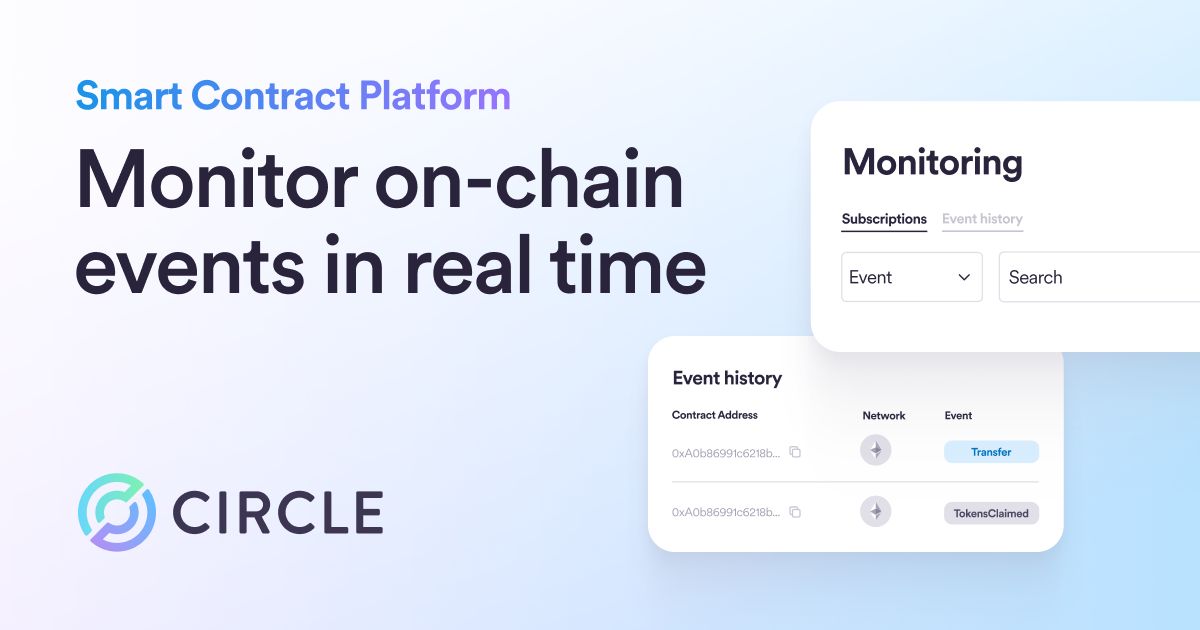
Map out every state change that matters. For a lending protocol, this includes large withdrawals, collateral ratio drops below safety margins, or unexpected admin function calls. Set specific numerical thresholds for these events. If a wallet moves more than 5% of total supply, trigger an immediate high-priority alert rather than a daily digest.
Aggregating logs from different chains and block explorers into a single dashboard is essential. Use tools like Dune Analytics or custom subgraphs to pull transaction data into a centralized view. This allows your security team to correlate events across chains quickly. Ensure access is controlled; only authorized personnel should be able to view sensitive internal metrics or pause contract functions.
Don't rely on manual checks. Configure your monitoring tools to push alerts to Slack, Telegram, or email based on severity. Critical alerts should go to on-call engineers immediately, while informational logs can go to a general channel. Test your alerting pipeline regularly. A broken alert system is worse than no system at all, as it creates a false sense of security.
Knowing what to alert is only half the battle. Create a runbook for each type of incident. If a flash loan attack is detected, do you pause the contract? Slash the attacker? Notify the community? Pre-define these actions and rehearse them. When seconds count, you can't be debating whether to pull the plug.
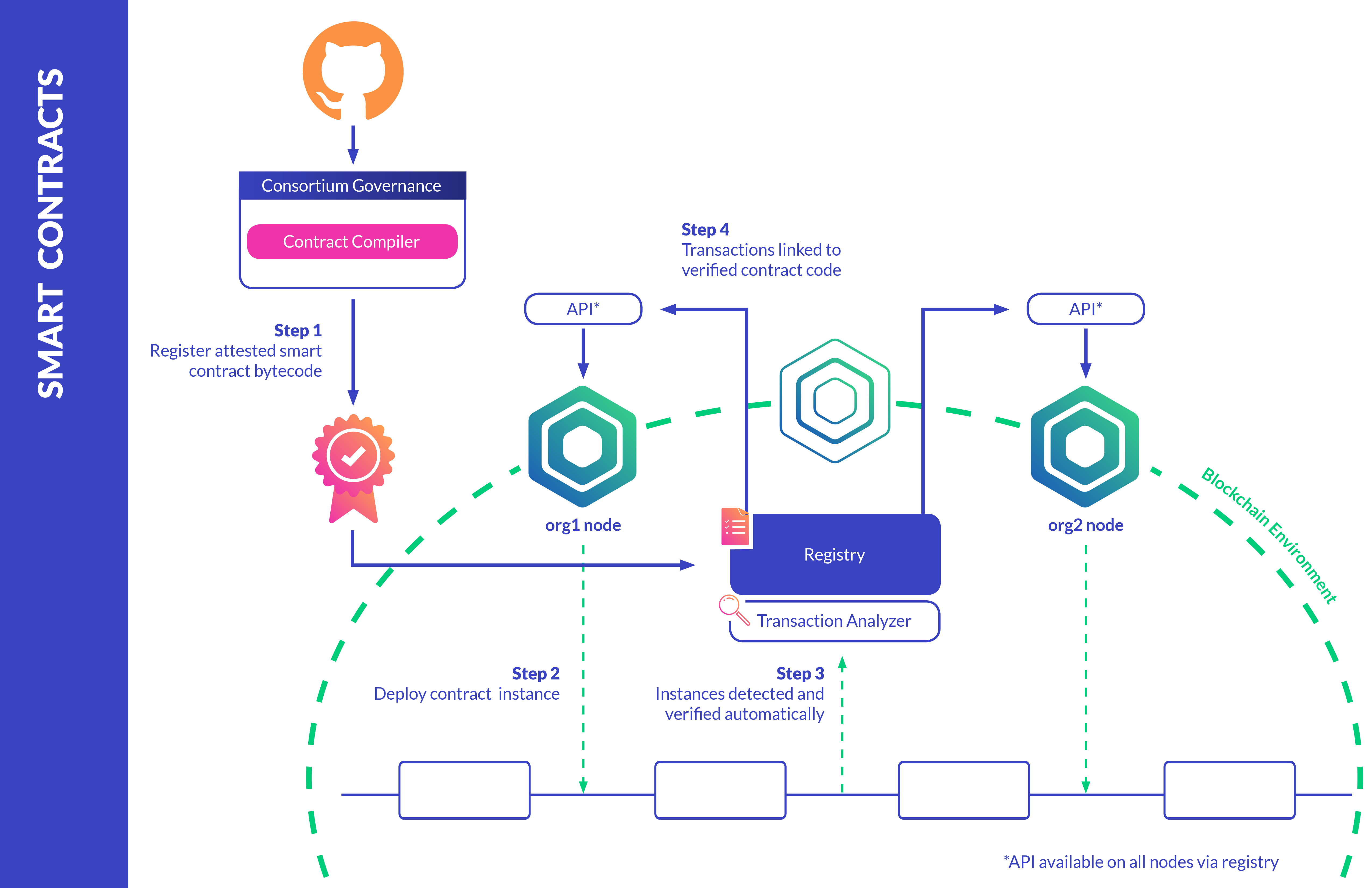
Monitoring is not a set-it-and-forget-it task. Review your alerts weekly. Are you getting too many false positives? Adjust your thresholds. Are there new attack vectors emerging in the ecosystem? Update your definitions. Regularly audit your monitoring logic itself to ensure it hasn't become stale or bypassed by new contract upgrades.
By following this framework, you move from reactive panic to proactive management. Your monitoring strategy becomes the immune system of your protocol, identifying threats and neutralizing them before they cause lasting damage.
Smart Contract Monitoring FAQ
Monitoring is a continuous process, not a one-time check. Here are the most common questions we hear from teams managing deployed code.
Helpful gear
Use these product recommendations as a starting point, then choose the size, material, and price point that fit how you actually use the gear.


As an Amazon Associate, we may earn from qualifying purchases.
No comments yet. Be the first to share your thoughts!