Smart Contract Monitoring Budget
Building a monitoring stack is less about buying the most expensive tool and more about matching the right infrastructure to the risk level of your contracts. A single oversight in a high-stakes DeFi protocol can cost millions, while a simple utility token might only need basic event tracking. The tradeoff is always between comprehensive coverage and operational cost.
For most teams, the initial investment focuses on core visibility. You need a reliable node provider to feed real-time data to your monitoring scripts. This is your baseline. Without it, you are flying blind. Costs here are predictable, often scaling with transaction volume. If you are running your own nodes, the hardware and maintenance costs add up quickly, but they offer granular control over data freshness.
Beyond the node, the next layer is the monitoring software itself. Open-source tools like Tenderly or custom Python scripts offer flexibility but require significant engineering time to build and maintain. Managed services like Forta or CertiK offer plug-and-play security but come with subscription fees. The budget decision here hinges on your team's capacity. If you have senior developers, the time cost of building custom alerts may outweigh the monthly SaaS fee. If you are a small team, paying for managed detection is often the smarter financial move.
Finally, consider the cost of false positives. A monitoring system that triggers too many alerts will be ignored—a phenomenon known as alert fatigue. This indirect cost can be higher than the software license. A well-tuned system, even if it costs more upfront, saves engineering hours by filtering noise. When budgeting, allocate 20% of your time to refining thresholds and filtering logic. This ensures your team reacts to real threats, not background noise.


As an Amazon Associate, we may earn from qualifying purchases.
Shortlist real options
Choosing the right smart contract monitoring tool requires matching your specific risk profile with the right infrastructure. The landscape has shifted from simple transaction tracking to comprehensive post-deployment operations that cover design, testing, and live execution. We compare the strongest options based on their ability to provide actionable security data without inventing specs or relying on abstract categories.
The primary goal is to detect anomalies before they become exploits. This means prioritizing tools that offer real-time event monitoring and log analysis, as detailed in official Solidity best practices [src-serp-3]. The following comparison highlights how leading platforms handle these critical functions.
| Tool | Primary Focus | Data Depth | Integration Ease |
|---|---|---|---|
| Forta | Real-time threat detection | Network-wide bot network | High |
| OpenZeppelin Defender | Automated operations | Internal task logs | Medium |
| Tenderly | Simulation & debugging | Full state snapshots | High |
| Etherscan | Public transaction tracking | Basic event logs | Native |
Forta leverages a decentralized bot network to monitor transactions across multiple chains, making it ideal for projects needing broad, community-driven threat intelligence. OpenZeppelin Defender focuses on automating internal operations and emergency responses, providing a more controlled environment for known vulnerabilities. Tenderly excels in simulation, allowing developers to test contract behavior in a sandbox before it hits mainnet, which is crucial for complex DeFi protocols. Etherscan remains the standard for basic public tracking, though it lacks the advanced predictive capabilities of the specialized tools above.
When selecting a solution, consider whether you need proactive threat detection or reactive debugging. For high-stakes DeFi applications, combining a simulation tool like Tenderly with a real-time monitor like Forta provides a robust safety net. Always verify that the tool supports the specific event signatures you are using in your Solidity code [src-serp-3].
Inspect the expensive parts
Most smart contract failures don’t happen because the code is unreadable; they happen because the most critical functions are left unmonitored. You can’t watch every transaction, so you must prioritize the points of failure that carry the highest financial risk. This section outlines the specific areas of your DeFi infrastructure that require immediate, rigorous inspection.
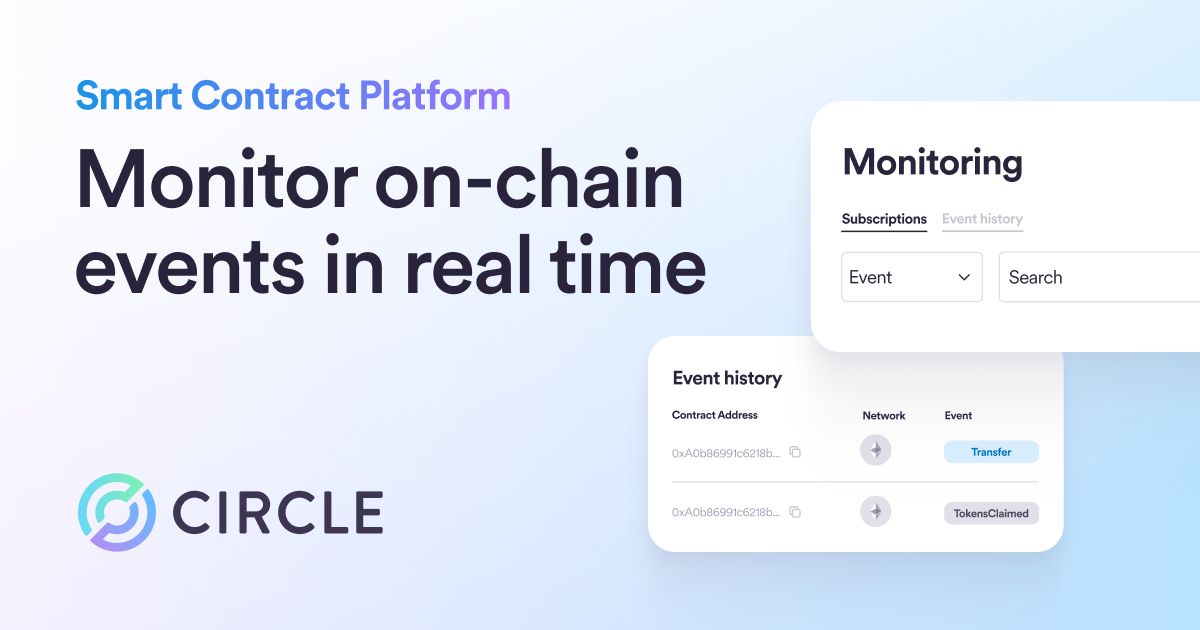
Focus on functions that change the state of the protocol or manage treasury assets. Admin calls like updateOwner, setFee, or withdraw are prime targets for exploitation if access controls are weak. Set up real-time alerts for any transaction triggering these specific function signatures, regardless of the sender’s address, to catch unauthorized changes instantly.
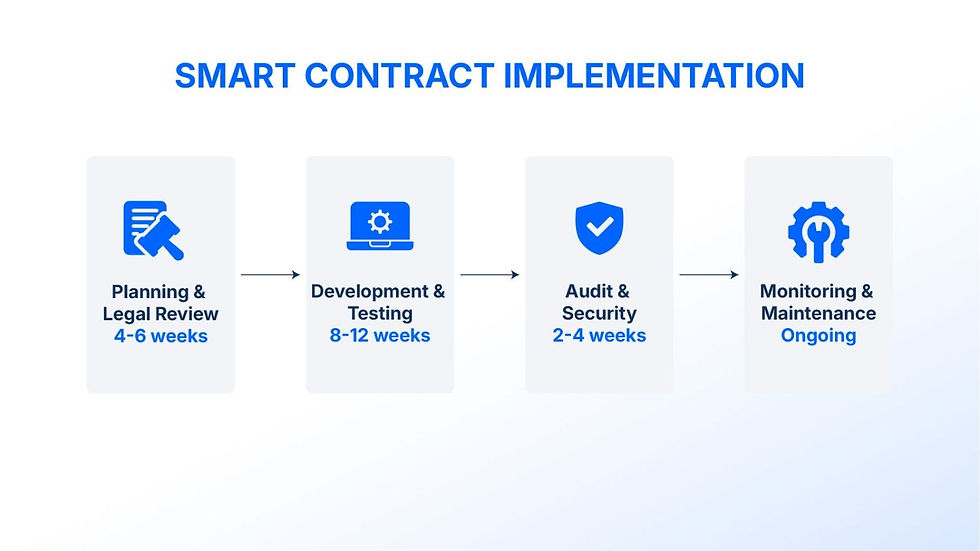
Liquidity drains are often preceded by subtle shifts in pool ratios. Monitor the reserve balances of your token pairs against the underlying assets. If a large swap causes a significant price slippage or depletes reserves below a defined threshold, it may indicate a flash loan attack or a malicious exit scam. Alerting on reserve deviations helps you react before total capital loss.
Attackers often use excessive gas to bypass simple checks or execute complex reentrancy loops. Watch for transactions that consistently consume gas near the block limit without completing a standard operation. Abnormal gas usage can be an early warning sign of a denial-of-service attempt or a sophisticated exploit trying to manipulate state variables through computational exhaustion.


As an Amazon Associate, we may earn from qualifying purchases.
The real cost of owning smart contract monitoring tools
Buying a monitoring license is only the first expense. The hidden costs come from maintenance, integration, and the human labor required to keep the system from becoming noise. A cheap tool that requires manual rule-tuning or constant false-positive triage will cost more in engineering hours than a premium platform with automated context.
Maintenance and integration overhead
Most monitoring tools require ongoing configuration to match your specific smart contract architecture. If your contracts use novel patterns or custom libraries, off-the-shelf rules may fail, requiring custom script development. This turns a $500/month subscription into a $5,000/month engineering project. Always check if the tool supports your specific chain and contract standard out-of-the-box.
Alert fatigue and response time
The most expensive failure mode is alert fatigue. If a tool sends 500 alerts a day, your team will either ignore them or burn out. A tool that costs 3x more but reduces noise by 90% is often the cheaper option when you factor in the cost of missed exploits. Look for tools that offer severity-based filtering and automated escalation.
Total cost of ownership (TCO) calculation
When evaluating tools, calculate TCO over 12 months, not just the monthly fee. Include:
- Initial setup and onboarding time
- Monthly subscription fees
- Engineering hours for custom rule development
- Cost of false positives (missed opportunities or wasted investigation time)
- Cost of false negatives (undetected exploits)


As an Amazon Associate, we may earn from qualifying purchases.
Investing in secure hardware is a non-negotiable part of smart contract monitoring. If your monitoring keys are compromised, no amount of software sophistication will save you. Always use hardware wallets for any keys involved in monitoring or execution.
Smart contract monitoring: what to check next
Continuous monitoring isn't just a post-deployment luxury; it's a critical layer of runtime verification. Because smart contract code is immutable once deployed, you can't patch bugs after they go live. Monitoring tools detect anomalies and suspicious activities in real time, allowing teams to respond before funds are lost.
What is the difference between static analysis and runtime monitoring?
Static analysis scans code before deployment to find known vulnerabilities, while runtime monitoring watches the contract in action. Think of static analysis as a pre-flight checklist and runtime monitoring as the flight data recorder. Runtime monitoring is essential for detecting logic errors or exploits that only manifest when the contract interacts with the blockchain network.
How do monitoring tools detect suspicious activities?
Tools analyze on-chain events and logs to identify patterns that deviate from expected behavior. This includes tracking large token transfers, unusual function calls, or changes in contract state. By optimizing data redundancy and understanding event signatures, monitoring systems can flag potential exploits or anomalies for immediate investigation.
Can monitoring tools prevent hacks?
Monitoring tools cannot prevent hacks on their own, but they significantly reduce the damage window. They provide alerts that allow teams to pause contracts, freeze funds, or initiate recovery mechanisms. Without real-time visibility, a successful exploit can drain a protocol's liquidity before anyone notices.
What should I look for in a monitoring tool?
Prioritize tools that offer real-time alerts, comprehensive log analysis, and integration with existing security workflows. Look for solutions that support custom alerting rules and provide detailed historical data. The best tools help you establish a robust contract monitoring process that aligns with your protocol's specific risk profile.
No comments yet. Be the first to share your thoughts!