Why continuous monitoring matters
A smart contract audit is a snapshot in time. It tells you what the code looked like when the auditor ran their scripts, but it doesn’t account for what happens next. Once you deploy, the contract enters a live environment where new exploits emerge, market conditions shift, and smart contract monitoring becomes the only thing standing between your protocol and a total loss.
Static audits catch code errors; monitoring catches runtime exploits. The two are complementary, not interchangeable. Think of an audit like a pre-flight inspection: it ensures the plane is airworthy before takeoff. But once airborne, you need air traffic control and onboard sensors to navigate changing weather and avoid mid-air collisions. Without continuous visibility, you’re flying blind.
Post-deployment security requires real-time threat detection. Attackers don’t wait for your next audit cycle. They exploit reentrancy bugs, oracle manipulations, and logic flaws the moment they find them. Monitoring tools track contract activity, behavior, and risk signals as they happen, allowing you to pause transactions, freeze funds, or trigger emergency shutdowns before damage spreads.
The stakes are financial and existential. In DeFi, a single unpatched vulnerability can drain millions in seconds. Continuous monitoring transforms your security posture from reactive to proactive, giving you the situational awareness needed to respond to threats before they become headlines.
The Technical Foundation of Smart Contract Monitoring
Effective smart contract monitoring starts with understanding what the blockchain actually records. At its core, on-chain activity is captured through logs (events), function signatures, and state changes. These elements form the raw data that monitoring tools parse to detect anomalies, verify transactions, or trigger alerts.
Events and Log Signatures
Events are the primary mechanism for smart contracts to communicate with the outside world. When a contract executes, it emits events that are stored in the transaction receipt as logs. Each log contains a signature (the topic) and data fields. The signature is a cryptographic hash of the event name and its argument types, allowing tools to quickly identify what happened without decoding the entire block.
For example, an Approval event in an ERC-20 token has a specific signature. Monitoring infrastructure subscribes to these signatures to track token transfers or approvals. Understanding how to filter by these signatures is critical for building efficient monitors that don’t waste resources processing irrelevant data.
State Changes and Gas Costs
Beyond events, monitoring state changes requires reading the contract’s storage directly. This is more expensive than reading events because it involves querying the blockchain’s state trie. State changes are often inferred from events, but for complex logic, direct state reads may be necessary. However, this approach incurs higher gas costs and latency, making it less suitable for real-time monitoring.
Practical Implications for Monitoring
When designing a monitoring system, prioritize event-based tracking for speed and cost efficiency. Use state reads only when events don’t provide sufficient context. This balance ensures your monitoring infrastructure is both responsive and economical, especially during high network activity.
Top smart contract monitoring tools
Choosing the right monitoring platform depends on whether you need native integration, autonomous defense, or broad multi-chain coverage. The landscape is shifting from simple alerting to active intervention, where tools can pause contracts or freeze assets before a vulnerability becomes a total loss.
OpenZeppelin Defender
OpenZeppelin Defender is the industry standard for teams already building with their SDKs. It offers a tightly integrated dashboard for managing smart contract deployments, scheduled tasks, and, most importantly, monitoring and remediation.
Defender’s monitoring module watches for specific on-chain events and triggers automated responses, such as pausing a contract or executing a recovery function. This is not just passive alerting; it is active defense. If your architecture relies on OpenZeppelin contracts, Defender is the most logical choice because it reduces the friction between detection and action.
Forta
Forta operates differently by using a decentralized network of bots. Instead of a single vendor controlling the alerts, Forta allows anyone to write and run "bots" that scan blockchain activity for malicious patterns.
This model is powerful for DeFi protocols that need to detect complex, novel exploits that predefined rules might miss. By leveraging a community of security researchers, Forta can identify threats faster than static rule sets. However, it requires more setup; you need to configure which bots matter to your protocol and interpret their alerts, which adds operational overhead.
Circle Monitoring
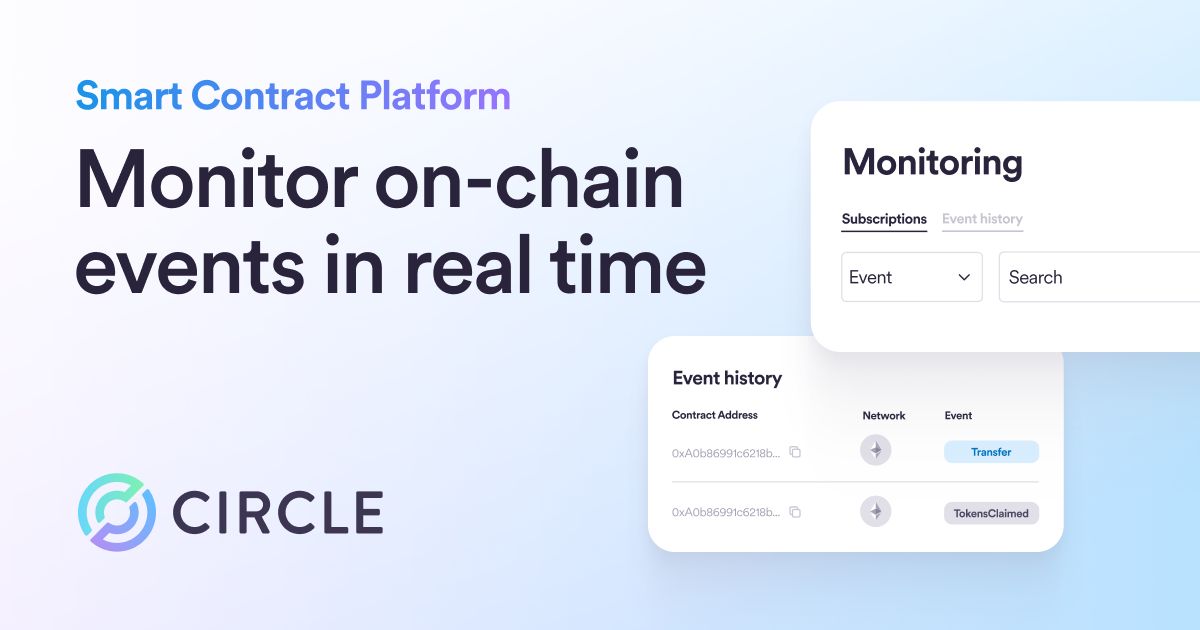
Circle offers a straightforward, API-first approach to event monitoring, particularly strong for teams focused on stablecoin integrations and compliance. Their Event Monitoring tool tracks transactions and state changes across supported chains.
Circle’s strength lies in its simplicity and reliability for specific use cases. If you are building a payment rail or a stablecoin-heavy application, their native integration reduces the need to build custom indexers. It lacks the autonomous remediation features of Defender or the decentralized breadth of Forta, but it is a robust, low-friction option for standard event tracking.
Comparison Table
The following table compares the core capabilities of these platforms to help you decide which fits your operational needs.
| Tool | Type | Chains | Cost | Remediation |
|---|---|---|---|---|
| OpenZeppelin Defender | Integrated Suite | EVM | Usage-based | Auto-pause/Run tasks |
| Forta | Decentralized Network | Multi-chain | Free for users | Alert/Bot response |
| Circle Monitoring | API Service | Multi-chain | Usage-based | Alert only |
Build a monitoring strategy that fits your dev lifecycle
Monitoring isn't an afterthought; it's a defensive layer woven into your code. As research notes, monitors act as "defensive mechanisms" where developers write properties that must hold true during execution [src-4]. This approach shifts security from a post-deployment panic to a continuous, automated process.
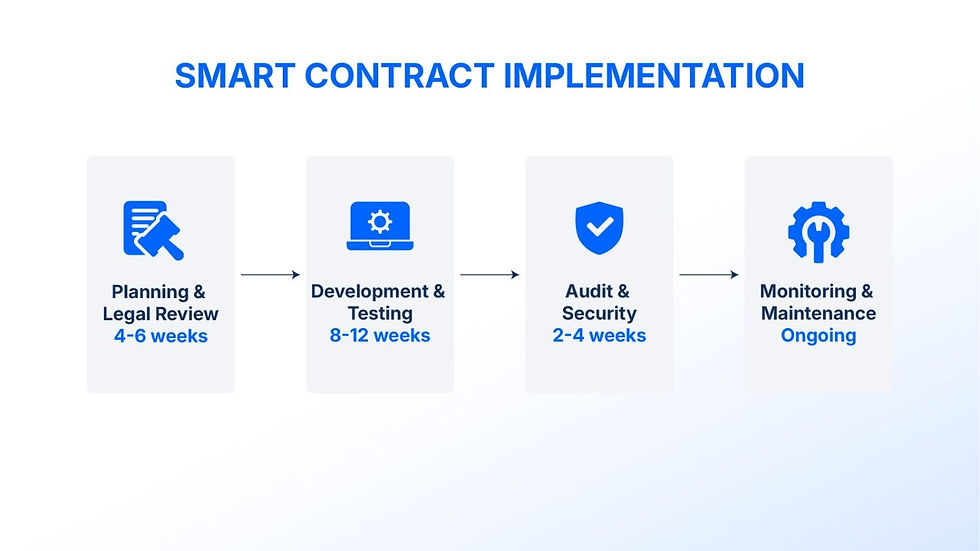
To build a strategy that actually works, you need to integrate monitoring tools directly into your development workflow. This ensures that vulnerabilities are caught before they hit the mainnet. Here is a practical, step-by-step approach to integrating monitoring into your smart contract lifecycle.
Start by identifying the events your contract emits. These are your primary data points. Define exactly which events signal normal operation and which indicate potential anomalies, such as unexpected token transfers or unauthorized state changes. Without this baseline, your monitoring tools are flying blind.
Determine the conditions that warrant an immediate alert. This involves setting thresholds for gas usage, transaction frequency, or balance deviations. Use official documentation from your chosen monitoring provider to configure these triggers accurately, ensuring you don't drown in false positives while missing real threats.
Embed monitoring checks into your continuous integration and deployment (CI/CD) pipeline. This means running automated tests against your monitoring rules every time code is committed. If a new deployment violates a defined security property, the pipeline should block the release until the issue is resolved.

Before any contract goes live, perform a final verification of your monitoring setup. Ensure that all event emissions are correctly captured and that alert thresholds are calibrated for the specific network conditions. A pre-deployment checklist should include verifying that your monitoring dashboard is live and accessible to your security team.

Once deployed, shift to active surveillance. Use live data widgets to track contract performance and security metrics in real-time. This allows you to respond quickly to any unusual activity. Regularly review your monitoring logs to refine your alerts and improve the accuracy of your defensive mechanisms.
By following these steps, you create a robust monitoring strategy that protects your smart contracts throughout their lifecycle. This proactive approach minimizes risk and builds trust with your users.
Essential tools for developers
Smart contract monitoring isn't just about watching a dashboard; it's about building a stack that catches issues before they become exploits. You need software that tracks on-chain events in real-time and hardware that keeps your deployment keys secure. Think of this as your digital security perimeter—software sees the threats, hardware locks the door.
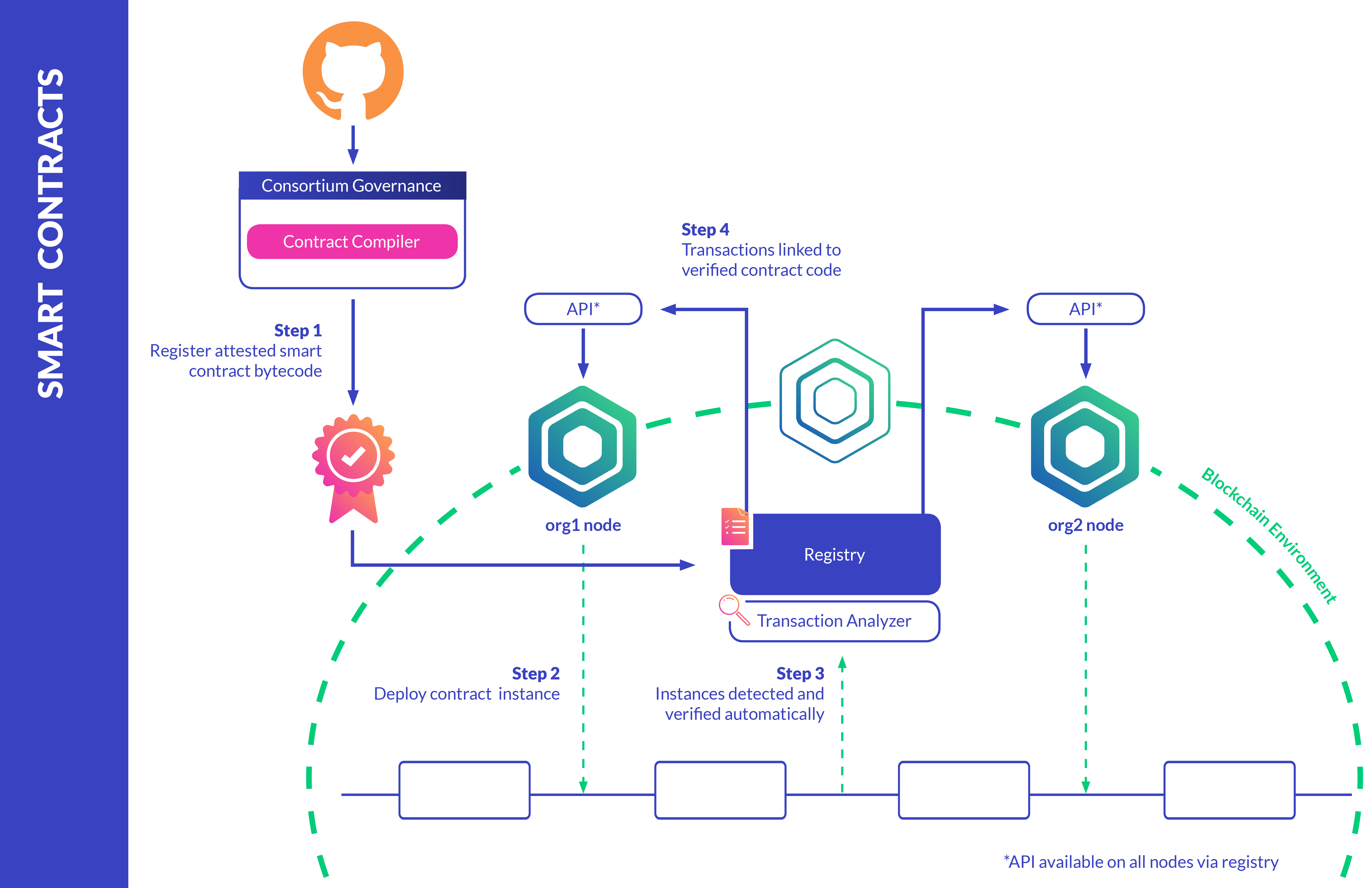
Start with robust event monitoring tools like Circle’s Event Monitoring or SCSF’s developer suite. These platforms allow you to track transactions and state changes directly from your smart contracts, providing the visibility needed to spot anomalies instantly. For deeper analysis, tools that support log analysis and data redundancy checks help you understand not just what happened, but why.
On the hardware side, never skip the basics. Use a dedicated hardware wallet for signing deployments and managing private keys. This physical separation ensures that even if your development machine is compromised, your contract’s control remains secure. Combine this with a reliable node provider to ensure your monitoring data is always fresh and untampered.

As an Amazon Associate, we may earn from qualifying purchases.
No comments yet. Be the first to share your thoughts!