Understanding Smart Contract Monitoring
Smart contract monitoring acts as the continuous nervous system for on-chain operations. Unlike a static audit, which provides a snapshot of security at a single point in time, monitoring tracks the live behavior of deployed code. This distinction is critical because vulnerabilities often manifest only under specific network conditions or after interactions with external protocols.
The core function of monitoring is to detect anomalies in real-time. By observing transaction flows, state changes, and event emissions, security teams can identify exploits such as reentrancy attacks or oracle manipulation before they cause irreversible damage. This proactive stance shifts the paradigm from reactive incident response to preventative risk management.
Effective monitoring requires a layered approach. Developers must configure alerts for critical functions and establish thresholds for unusual gas usage or token transfers. Without these safeguards, even well-audited contracts can become targets for sophisticated attackers who exploit timing gaps or logic errors that only appear in production environments.
Smart contract monitoring choices that change the plan
Smart Contract Monitoring works best as a clear sequence: define the constraint, compare the realistic options, test the tradeoff, and choose the path with the fewest hidden costs. That order keeps the advice usable instead of decorative. After each step, pause long enough to check whether the recommendation still fits the reader's actual situation. If it depends on perfect timing, unusual access, or a best-case budget, include a simpler fallback.
| Factor | What to check | Why it matters |
|---|---|---|
| Fit | Match the option to the primary use case. | A good deal still fails if it does not fit the job. |
| Condition | Verify age, wear, and service history. | |
| Cost | Compare purchase price with likely upkeep. | The cheapest option is not always the lowest-cost option. |
Build a monitoring decision framework
Smart contract monitoring is not a single tool but a layered system. You need to balance real-time detection with historical analysis. Use this framework to choose the right infrastructure for your project's risk profile and technical constraints.
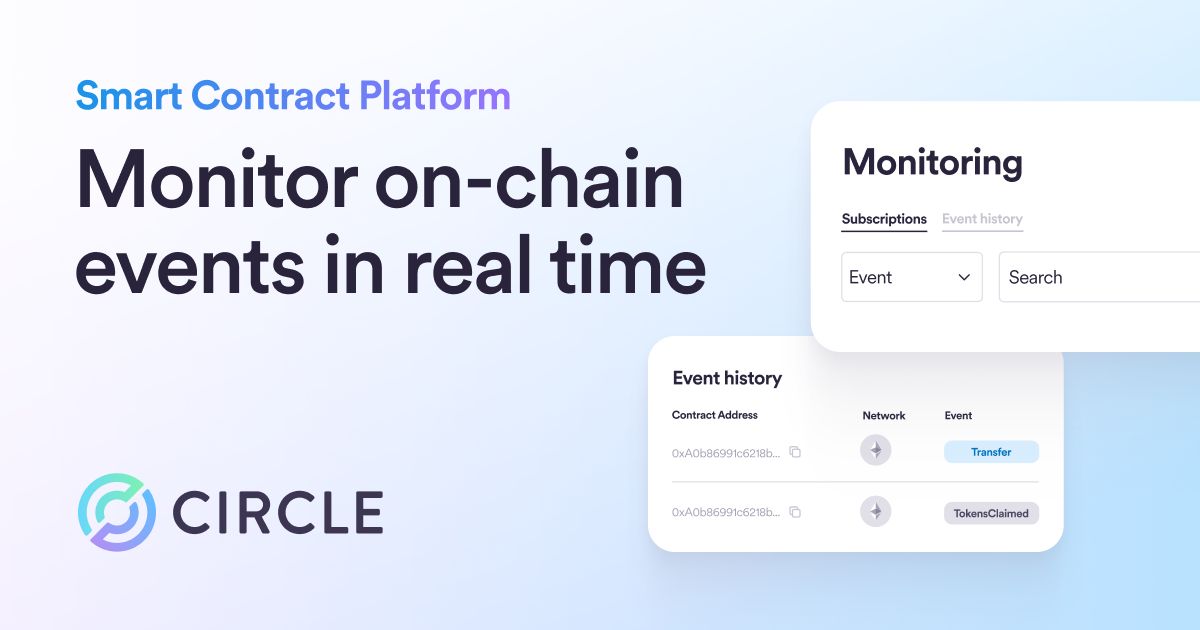
Start by listing the on-chain events that matter. Standard ERC-20 Transfer events are basic, but security-focused contracts require custom signatures. Identify state-changing calls like execute() or withdraw() that trigger critical actions. Document the event signatures and their parameters to ensure your indexer can parse them correctly.
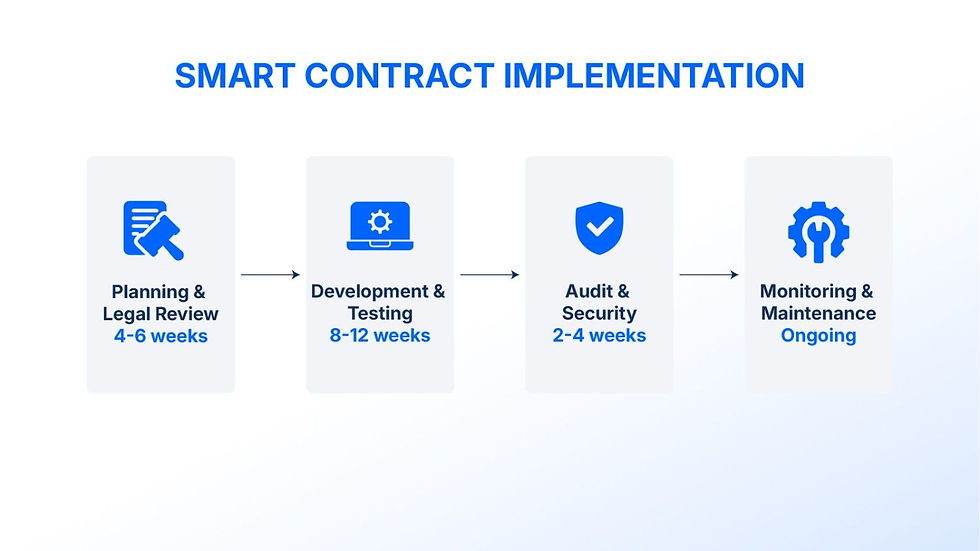
Raw node data is too noisy for direct analysis. Use a dedicated indexer like The Graph, Covalent, or Moralis to aggregate logs into queryable tables. Indexers handle the heavy lifting of parsing logs and storing them in a structured format. This step is essential for reducing latency and ensuring your monitoring queries return results in milliseconds, not minutes.
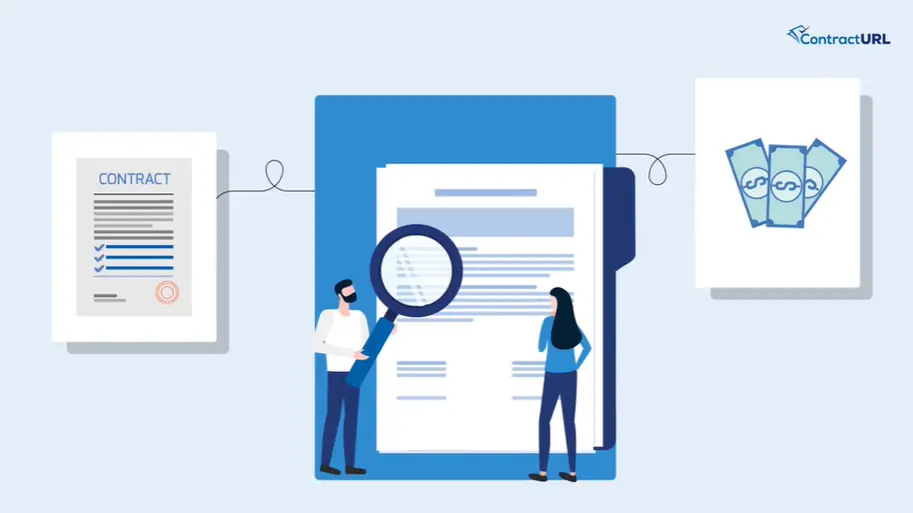
Set up automated triggers for specific event patterns. Tools like Tenderly or Forta allow you to define rules that fire when a contract interacts with a known malicious address or exceeds a threshold. Configure these alerts to send notifications via Slack, Discord, or email. Prioritize alerts that indicate immediate risk, such as unauthorized admin calls or unusual token transfers.
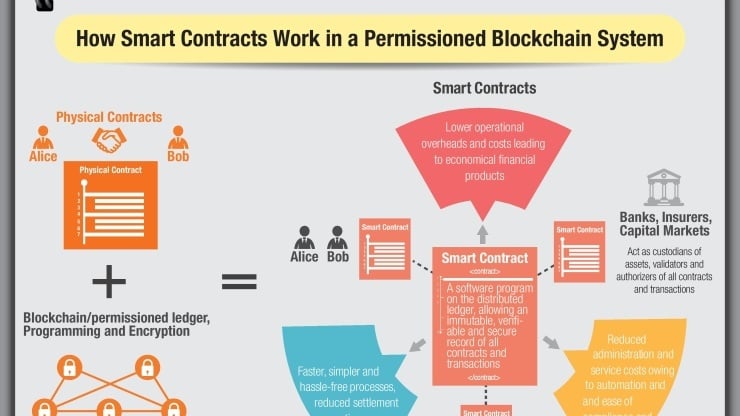
Real-time alerts catch active threats, but historical analysis reveals trends. Use your indexed data to track metrics like gas usage, transaction frequency, and unique wallet interactions over time. This helps you identify slow-draining exploits or unusual activity patterns that real-time filters might miss. Schedule weekly reports to review these trends and adjust your monitoring rules accordingly.
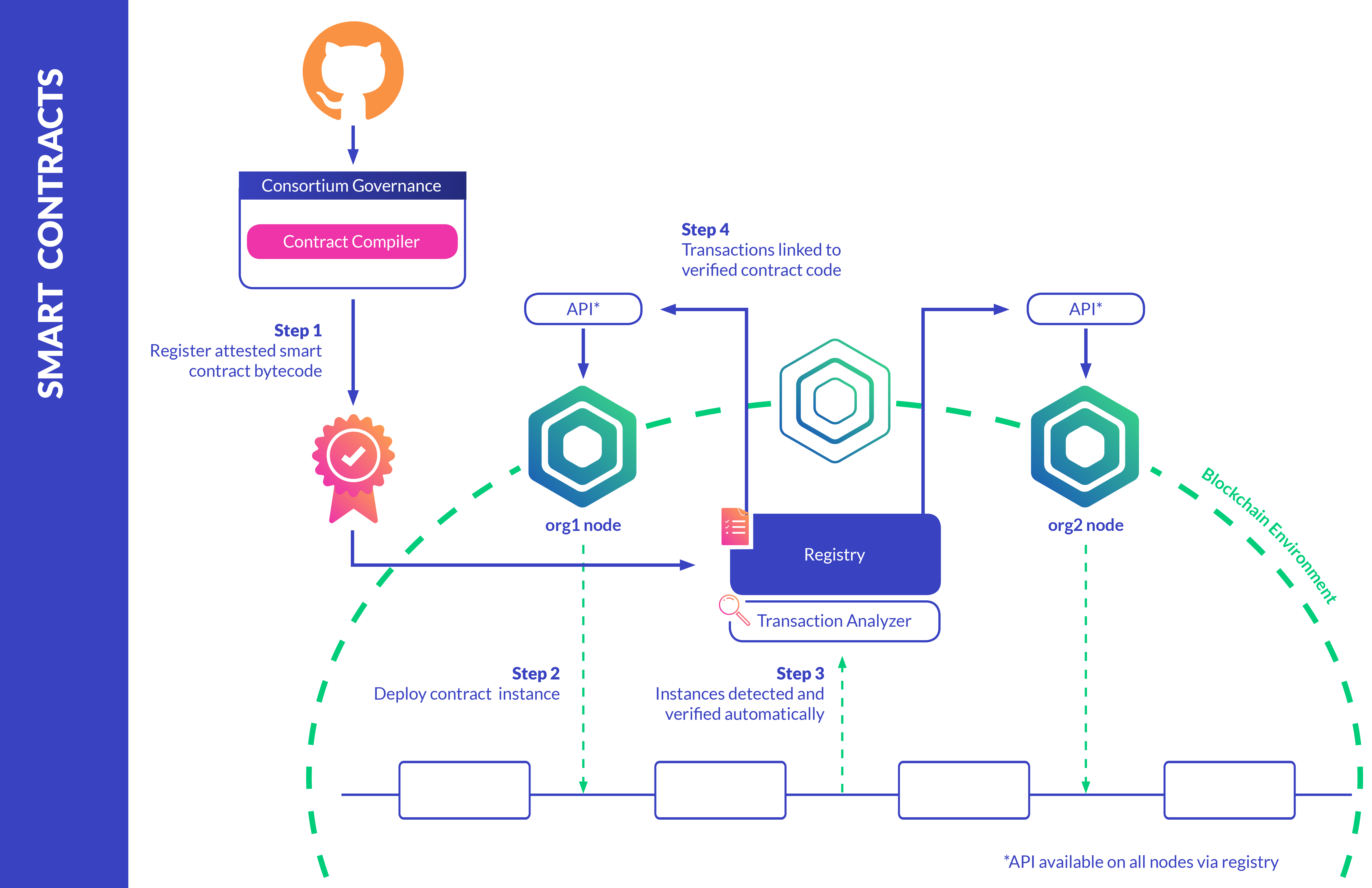
Before deploying to mainnet, test your monitoring logic on a testnet. Simulate attack vectors and edge cases to ensure your alerts fire correctly. Verify that your indexing queries return accurate data for historical analysis. This step prevents false positives and ensures your system is robust enough to handle the scale and complexity of mainnet transactions.


As an Amazon Associate, we may earn from qualifying purchases.
Spotting Weak Smart Contract Monitoring Options
Smart contract monitoring tools promise real-time security, but many fail to deliver actionable insights. The market is crowded with platforms that generate noise rather than signal. A robust monitoring strategy requires distinguishing between superficial alerts and deep, contextual analysis.
Weak Option 1: Basic Event Logging Without Context Many free tools simply log emitted events. This is insufficient. Events are data points, not diagnoses. Without correlation to transaction state changes, you miss the "why" behind a transaction. You need tools that interpret event signatures against known vulnerability patterns, not just raw logs.
Weak Option 2: Generic Alert Thresholds Setting static thresholds for gas usage or transaction volume is a common mistake. Normal activity varies wildly by market conditions. A spike in gas might be a legitimate arbitrage opportunity, not an attack. Effective monitoring adapts thresholds dynamically based on historical baselines for specific contracts.
Weak Option 3: Ignoring Cross-Chain Bridges Monitoring only the primary chain is a critical oversight. Bridges are frequent targets for exploits. If your monitoring infrastructure doesn't track liquidity flows across connected chains, you are blind to the most common attack vectors in DeFi. Ensure your provider supports multi-chain visibility.
Weak Option 4: Delayed Response Mechanisms Real-time detection is useless if response is delayed. Some tools alert after funds are already drained. Look for integrations that support automated pause functions or multi-sig emergency triggers. Speed is the difference between a minor incident and a catastrophic loss.
No comments yet. Be the first to share your thoughts!