Smart contract monitoring limits to account for
Smart contract monitoring is not just about watching for errors; it is about managing the data stream itself. On-chain data is inherently redundant and unstructured. Without a clear strategy, the volume of logs can overwhelm your infrastructure, leading to missed alerts or excessive cloud costs.
Effective monitoring requires optimizing data redundancy and understanding event signatures. You must filter noise before it hits your database. For example, ignoring low-value ERC-20 transfers that do not affect your core logic can reduce data storage needs by over 90%.
The choice of tooling often dictates your constraints. Services like Circle’s monitoring tools simplify this by providing pre-built integrations, but they may lack the granularity needed for custom DeFi protocols. You must balance ease of use with the ability to parse complex, multi-step transaction logs.
Start by defining the specific events that matter to your application’s security and business logic. Build your monitoring stack around those signatures. This approach ensures you capture critical anomalies without drowning in irrelevant chain activity.
Smart contract monitoring choices that change the plan
Choosing a monitoring stack means balancing visibility against cost and complexity. There is no single tool that handles every protocol layer equally. You will need to weigh how much data you collect against how much you can afford to store and process.
The first major tradeoff is between event logs and full state tracing. Event logs are cheap and fast to query but require you to understand the contract interface. If the contract emits unexpected or undocumented events, your monitoring blind spots grow. Full state tracing captures every storage change but is expensive and slow. For most DeFi protocols, event-based monitoring is sufficient. For complex state machines, you may need hybrid approaches.
Another critical factor is latency versus completeness. Real-time alerts catch exploits faster but generate noise. Batch processing reduces noise but delays detection. The Smart Contract Security Field Guide recommends optimizing data redundancy to ensure you don't miss critical state changes while avoiding unnecessary storage costs. Most teams start with a 5-15 minute delay tolerance, adjusting based on the asset value at risk.
Finally, consider the operational burden of custom code versus managed services. Managed services offer quick setup but limited customization. Custom solutions offer full control but require significant engineering time. For high-stakes assets, the cost of a missed alert often exceeds the cost of building and maintaining custom infrastructure.
| Factor | Event Logs | Full State Tracing | Hybrid |
|---|---|---|---|
| Cost | Low | High | Medium |
| Latency | Fast | Slow | Medium |
| Completeness | Partial | Complete | Balanced |
| Setup Effort | Low | High | Medium |
Build a practical smart contract monitoring framework
Smart contract monitoring is not a single tool but a layered system. You need visibility into on-chain events, real-time alerts for anomalies, and a way to store historical data for post-mortem analysis. Without a structured approach, you are likely missing critical signals until it is too late.
The following steps outline a decision framework for building this infrastructure. Each step addresses a specific layer of the monitoring stack, from data ingestion to actionable alerts.
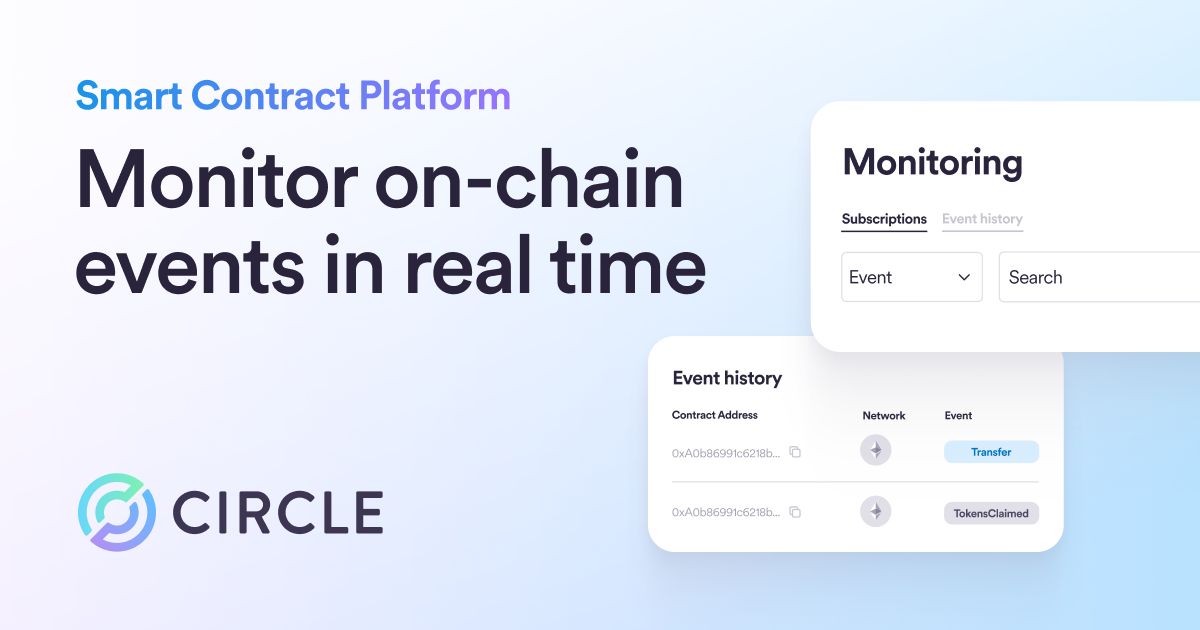
Start by identifying which Solidity events are critical to your contract’s logic. These event signatures act as the primary data source for most monitoring tools. Focus on state changes, token transfers, and ownership updates. Understanding the structure of these logs allows you to filter noise and track only what matters.
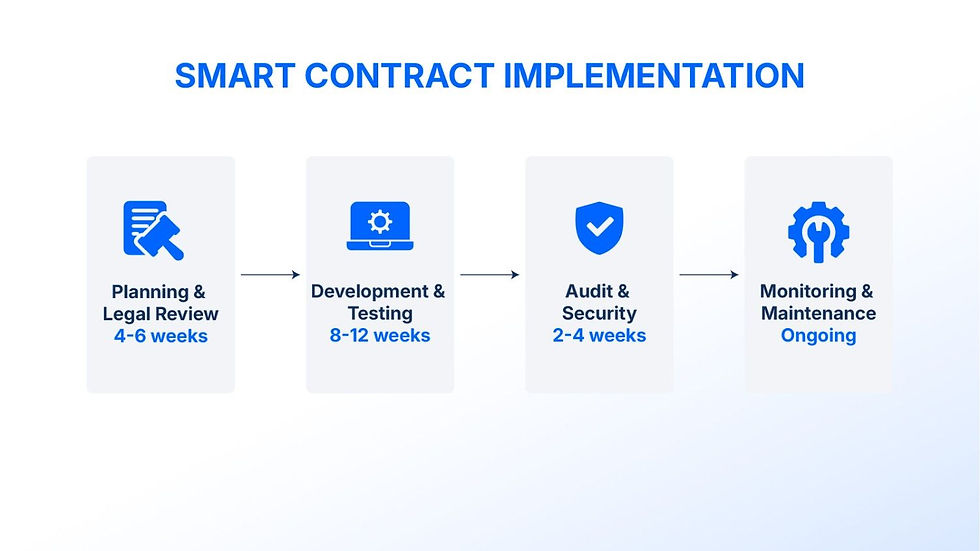
Raw blockchain data is difficult to query efficiently. Use an indexing provider like The Graph or a managed API service to structure your event data. This step transforms raw logs into queryable tables, enabling faster analysis and reducing the computational load on your own infrastructure.
Set up automated alerts for specific conditions, such as large withdrawals or unexpected function calls. Tools like Circle’s monitoring APIs or custom webhook integrations can notify your team instantly. The goal is to reduce the time between an on-chain event and your response.
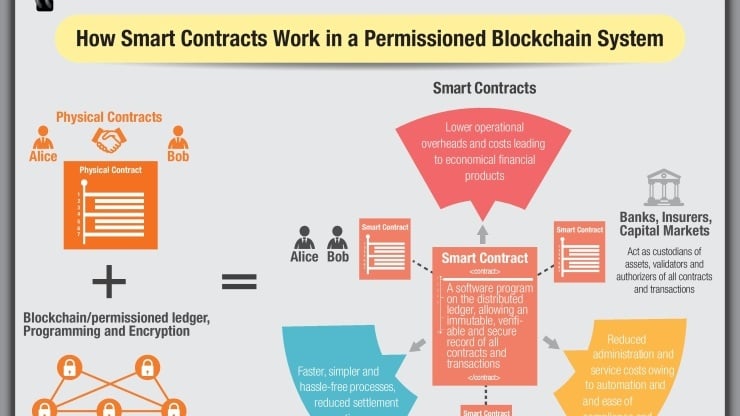
Historical context is vital for understanding trends and detecting subtle attacks. Ensure your monitoring stack includes a database that stores past events. This allows you to run backtests, compare current activity against baseline metrics, and generate reports for stakeholders.
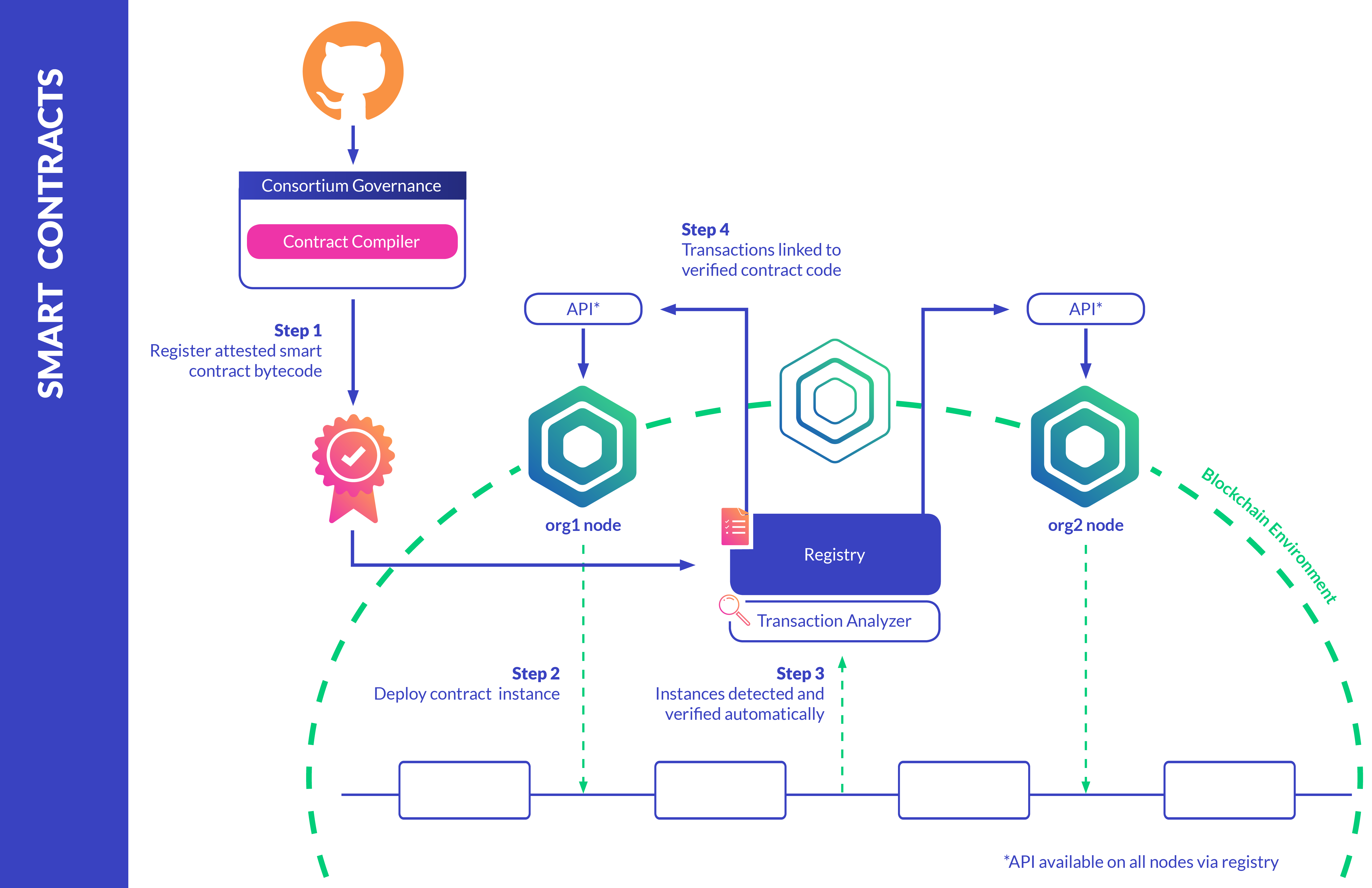
Before relying on your system for critical security decisions, simulate various attack scenarios and normal operations. Verify that your alerts trigger correctly and that your data indexing is complete. Regular testing ensures your monitoring framework remains reliable as your contract evolves.


As an Amazon Associate, we may earn from qualifying purchases.
This framework balances immediate visibility with long-term analysis. By following these steps, you can build a monitoring system that is both responsive and resilient.
Spotting Weak Monitoring Solutions
Not all monitoring tools deliver the same level of visibility. Many platforms advertise "comprehensive coverage" while missing critical event logs or failing to index data fast enough for real-time risk assessment. When evaluating smart contract monitoring infrastructure, look for concrete evidence of log indexing speed and event signature accuracy rather than marketing claims.
Common pitfalls include relying on tools that only track simple token transfers while ignoring complex internal calls or state changes. A robust solution must decode full event signatures and handle data redundancy efficiently to prevent gaps in your security audit trail. Always verify that the tool supports the specific Solidity versions and EVM standards your contracts use.
Technical charting and price widgets provide essential context for on-chain activity, but they do not replace deep contract-level monitoring. Use provider-backed charts to correlate market movements with contract events, ensuring you can distinguish between normal volatility and suspicious activity. This dual approach helps you catch anomalies that pure price tracking might miss.
Before committing to a monitoring provider, test their API response times and log retention policies. Weak options often limit historical data access or charge extra for high-frequency event queries. Choose a solution that offers transparent pricing and clear documentation on how they handle missing or reorged blocks.
Smart contract monitoring: what to check next
How do I monitor smart contracts without slowing down my node?
Running your own node for full historical indexing is expensive and resource-heavy. Most teams use specialized indexing providers like The Graph or Alchemy to offload the heavy lifting. These services handle the data aggregation, allowing your monitoring scripts to query clean, structured data rather than parsing raw blockchain logs. This approach reduces latency and keeps your infrastructure costs predictable.
What is the difference between on-chain event monitoring and off-chain analytics?
On-chain event monitoring tracks specific transactions and state changes as they happen on the blockchain. It is precise but limited to what the smart contract explicitly emits. Off-chain analytics combines this data with broader market metrics, such as price movements or liquidity pool shifts. Combining both gives you context: you see not just that a transaction occurred, but whether it was part of a larger attack or market manipulation.
Can I automate responses to smart contract anomalies?
Yes, but with caution. Tools like OpenZeppelin Defender allow you to set up automated actions when certain conditions are met, such as pausing a contract if a withdrawal threshold is exceeded. However, automation should always include a "circuit breaker" that requires human verification for high-value actions. Fully autonomous responses can trigger false positives during high network congestion, potentially locking user funds unnecessarily.
How often should I audit my monitoring infrastructure?
Smart contracts are immutable once deployed, but your monitoring tools are not. You should review your monitoring setup quarterly to ensure it aligns with any protocol upgrades or new vulnerability patterns. Additionally, test your alerting systems regularly. An alert that goes unnoticed for weeks is just as dangerous as no alert at all. Regular drills help your team respond faster when actual incidents occur.
No comments yet. Be the first to share your thoughts!