Smart contract monitoring infrastructure limits to account for
Building a monitoring stack for smart contracts is less about installing tools and more about managing the friction between visibility and operational overhead. The primary constraint isn't usually the technology itself, but the signal-to-noise ratio in high-throughput environments. When you scale across multiple chains, the volume of raw blockchain events can quickly overwhelm standard alerting systems, leading to alert fatigue or missed critical anomalies.
Effective infrastructure requires a layered approach. You need real-time transaction monitoring to catch immediate exploits, but also invariant checking to detect logic drift before it triggers. Tools like Tenderly demonstrate this by combining event tracking with balance and state verification, allowing teams to catch incidents before users report them. However, implementing this level of granularity demands significant engineering resources to maintain custom logic for each contract type.
The tradeoff is clear: broader coverage means higher latency and cost. Narrowing your focus to specific high-value contracts or critical paths reduces noise but increases the risk of blind spots. The goal is to build a system that filters out routine activity while flagging deviations in logic, gas patterns, or balance transfers that indicate a breach or bug.
Smart contract monitoring infrastructure choices that change the plan
Choosing a monitoring platform requires balancing detection speed against operational overhead. The market has coalesced around three primary platforms for smart contract monitoring: OpenZeppelin Defender, Tenderly, and Circle. Each serves distinct architectural needs, from immediate transaction halts to deep invariant analysis.
When evaluating infrastructure, focus on latency, coverage, and response automation. Tenderly offers real-time blockchain monitoring, catching incidents before users do with alerts on events, balances, and contract drift. OpenZeppelin Defender excels in automated response, allowing teams to pause contracts or execute predefined actions based on on-chain triggers. Circle’s infrastructure integrates closely with stablecoin flows, providing specialized tracking for payment rails and compliance.
The following comparison highlights the core tradeoffs between these leading solutions.
| Platform | Primary Focus | Detection Latency | Automated Response |
|---|---|---|---|
| Tenderly | Real-time events & contract drift | Near-instant | Alerts & webhooks |
| OpenZeppelin Defender | Automation & execution | Block-by-block | Built-in safeguards |
| Circle | Stablecoin & payment flows | Real-time | Compliance flags |
Build a monitoring decision framework
Smart contract monitoring is not a single tool but a layered defense system. To manage risk effectively, you need a decision framework that separates real-time detection from pre-transaction validation and continuous compliance. This structure ensures you catch incidents before they impact users while maintaining the integrity of your contract logic over time.
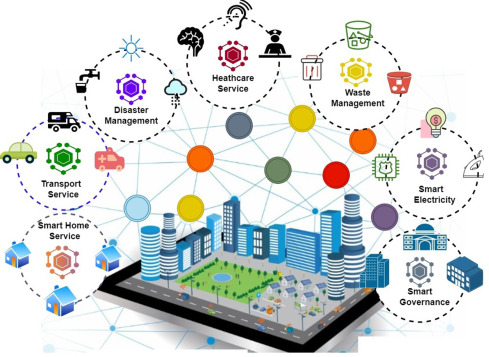
Start with a platform that tracks live blockchain state changes. The goal is to catch incidents before users do by monitoring events, balances, and invariants across every supported chain. Tools like Tenderly provide the infrastructure to alert on contract drift and unexpected state changes, allowing your team to react to anomalies in seconds rather than hours.
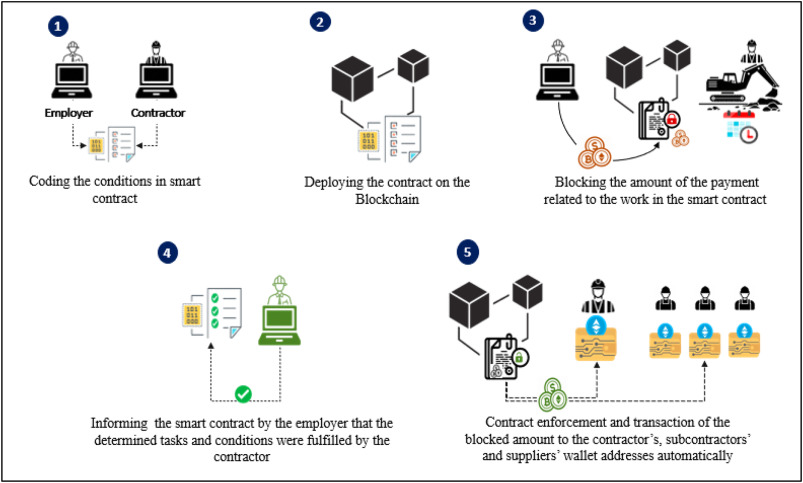
Beyond reactive alerts, implement pre-transaction checks that validate intent before execution. This layer acts as a firewall, preventing malicious or erroneous transactions from hitting the chain in the first place. As seen in Sui’s ecosystem defense strategies, combining real-time monitoring with continuous threat prevention reduces the attack surface and safeguards project assets proactively.
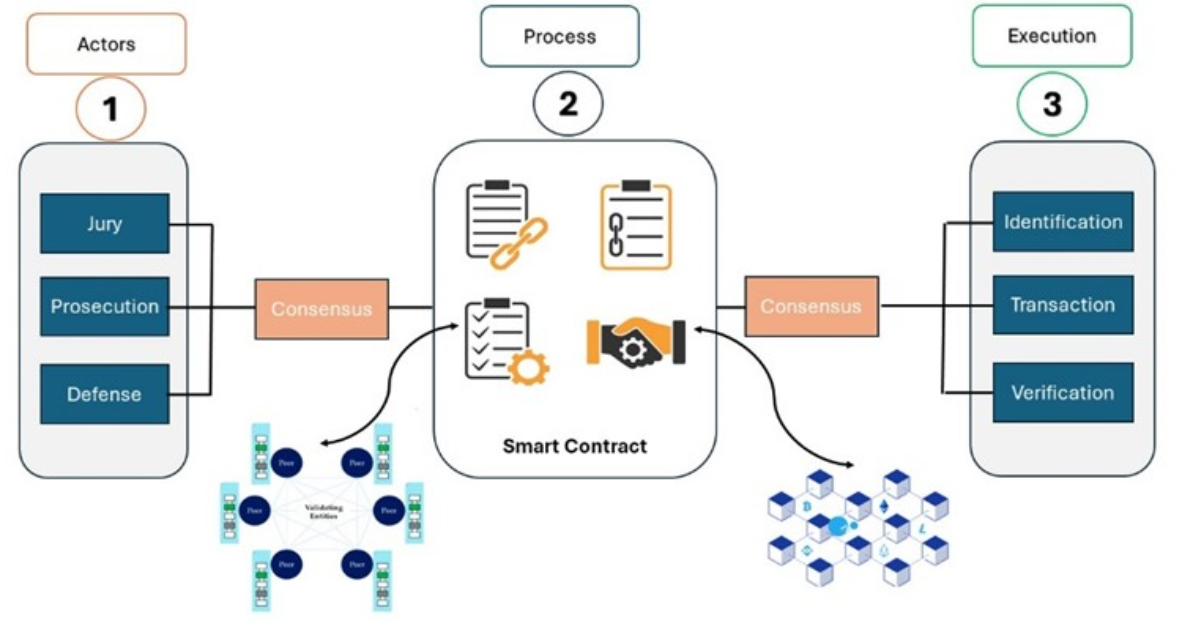
Finally, integrate continuous threat prevention mechanisms that adapt to evolving attack vectors. This involves regular audits of your monitoring rules and updating invariant checks as your contract logic evolves. A static monitoring setup becomes a liability; your framework must evolve to detect new patterns of exploit or drift that emerge after deployment.

As an Amazon Associate, we may earn from qualifying purchases.
By following these steps, you build a monitoring infrastructure that is resilient, proactive, and adaptable. This approach minimizes downtime and protects user funds by addressing risks at every stage of the transaction lifecycle.
Spotting Weak Monitoring Options
Not all smart contract monitoring tools deliver the same level of protection. Many platforms advertise real-time alerts but lack the depth needed to catch subtle contract drift or invariant violations before they impact users. When evaluating infrastructure, look for concrete capabilities rather than broad promises.
Tenderly, for example, focuses on catching incidents before users do by monitoring events, balances, and contract drift across multiple chains. This approach requires checking if the tool can handle the specific invariants of your protocol, not just generic transaction logs. Sui’s integration with Hypernative illustrates how pre-transaction checks and continuous threat prevention can safeguard projects, highlighting the importance of response capabilities alongside detection.
Avoid tools that only offer post-mortem analysis. Effective monitoring must be predictive. Check if the platform provides real-time alerts on specific contract states and if it can integrate with your existing incident response workflows. Weak options often fail to provide actionable data during an active exploit.
Prioritize tools that offer real-time invariant monitoring and pre-transaction checks. Avoid platforms that rely solely on post-incident analysis or generic transaction logging.
Smart contract monitoring infrastructure: what to check next
Choosing the right monitoring stack requires balancing real-time visibility with operational overhead. Below are answers to the most common practical concerns regarding smart contract monitoring infrastructure.
No comments yet. Be the first to share your thoughts!