Why real-time monitoring matters now
A static audit is a snapshot of a contract’s health at a single moment. It tells you what was wrong during the review window, but it says nothing about the threats that emerge after deployment. In the high-stakes world of DeFi, where exploits can drain millions in seconds, relying on a one-time audit is like locking your front door but leaving the windows open to the street.
Continuous smart contract monitoring is the new standard for risk management. It shifts security from a periodic checkup to a living system that watches event logs, tracks on-chain activity, and flags anomalies in real time. Tools that index blockchain data can detect unusual transaction patterns—such as sudden liquidity drains or unexpected state changes—before they become catastrophic.
The cost of inaction is measured in lost capital and broken trust. When a protocol’s code is immutable, there is no undo button. Monitoring provides the early warning system needed to pause operations, freeze funds, or trigger emergency safeguards. It turns reactive damage control into proactive defense.
This approach aligns with industry best practices from firms like OpenZeppelin and Circle, which emphasize that post-deployment vigilance is just as critical as pre-launch testing. By integrating automated alerts and real-time analytics, teams can maintain the integrity of their protocols in a landscape where threats evolve daily.
How event logs drive monitoring
On-chain state changes—like a balance update or a token transfer—are permanent but often silent to external observers. You cannot query a blockchain node for "all transfers of USDC" by simply looking at storage slots; the data is buried in the contract's internal state. To build a monitoring system, you need a signal that explicitly announces what happened. That signal is the event log.
Event logs are emitted by smart contracts using the emit keyword. Unlike state variables, which are stored permanently on-chain and consume gas for every update, logs are stored in a separate data structure called the transaction receipt. This makes them cheaper to emit and easier to filter. When you deploy a contract, you define events with specific signatures, such as Transfer(address indexed from, address indexed to, uint256 amount). These signatures act as filters, allowing indexing services to quickly identify relevant transactions without scanning every single line of code.
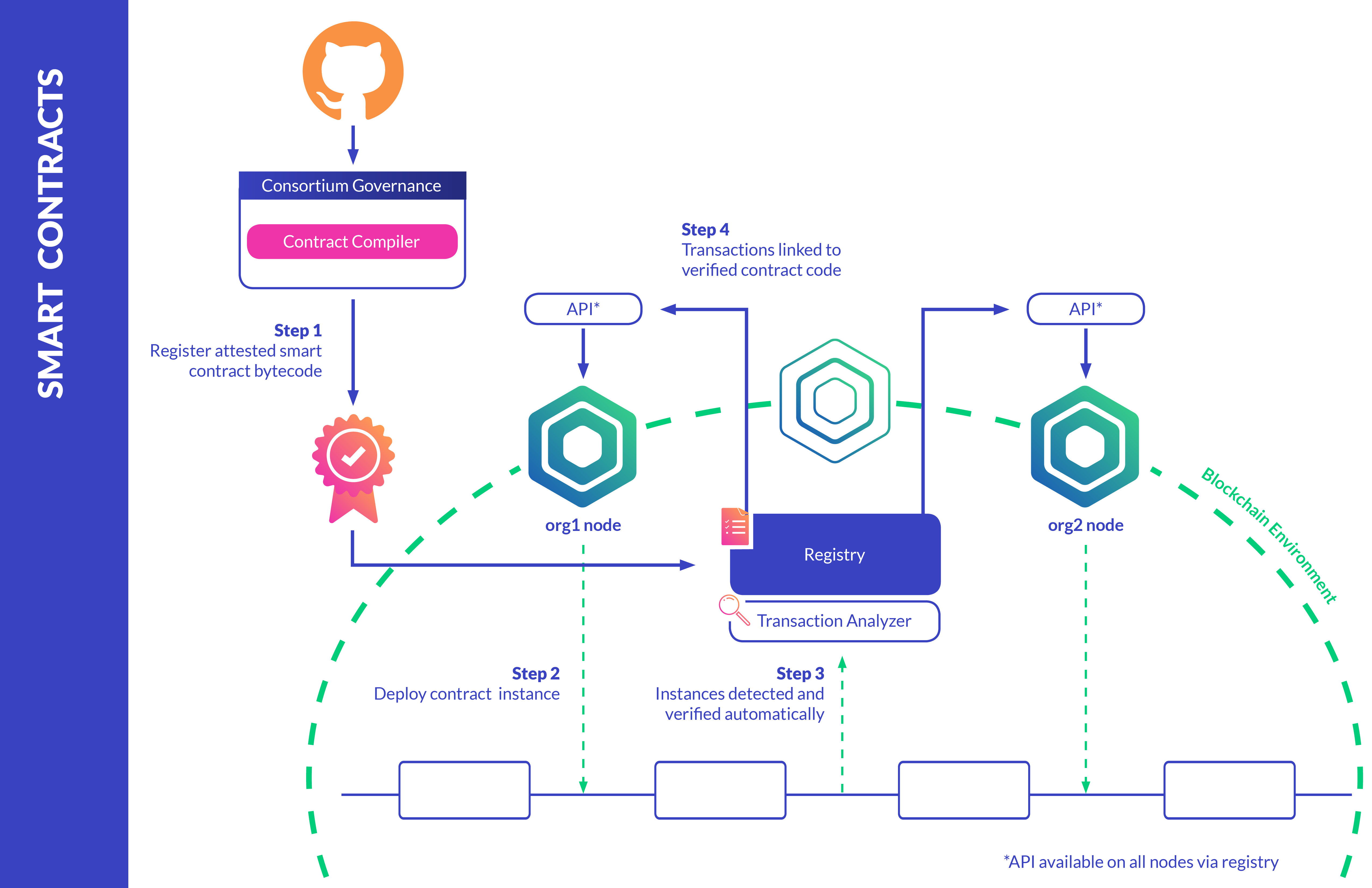
This is where the distinction between on-chain data and off-chain indexing becomes critical. Your smart contract emits the log, but it doesn't send it to your monitoring dashboard. An indexer (like The Graph, Covalent, or a custom node) must listen to the blockchain, extract these logs, and store them in a database you can query. Without this off-chain layer, you are left with raw, unstructured receipts that are nearly impossible to analyze at scale.
Think of event logs as the audit trail of a blockchain transaction. The state change is the final ledger entry, but the log is the receipt that proves the transaction occurred and details who was involved. For high-stakes finance, relying on state reads is too slow and expensive. You need the logs. They provide the real-time alerts and historical context necessary to detect anomalies, track fund flows, and maintain compliance. Understanding this flow—emit, index, query—is the foundation of any effective monitoring strategy.
Top tools for contract surveillance
Choosing the right monitoring platform depends on your specific infrastructure needs. While some tools prioritize ease of integration for fiat rails, others offer deep customization for complex Solidity event logs. Below, we compare three leading platforms: OpenZeppelin Defender, Circle, and SCSFG.
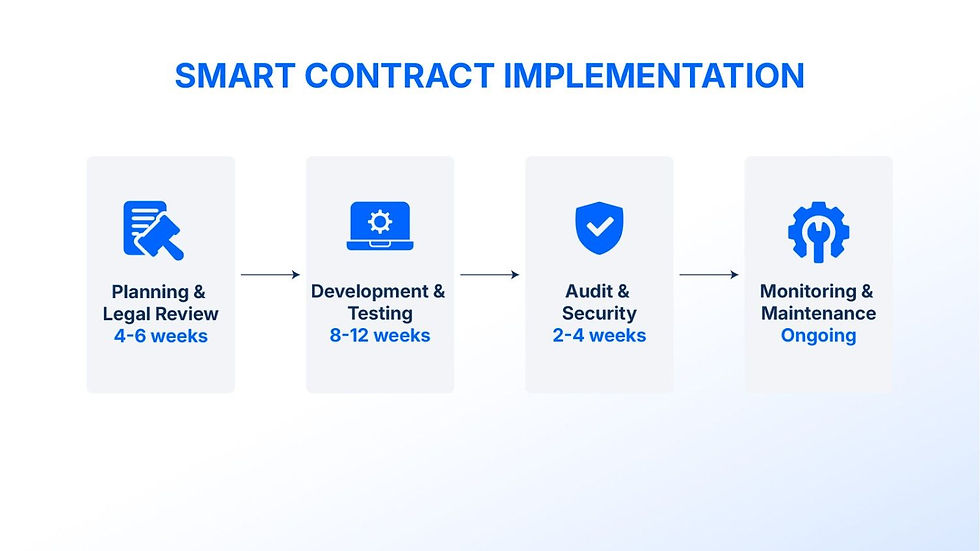
OpenZeppelin Defender
Defender is the industry standard for teams building on Ethereum and EVM-compatible chains. It excels in automation and security, allowing developers to set up custom monitors that trigger transactions or alerts based on specific on-chain events. The platform supports customizable monitor templates, making it ideal for high-stakes environments where precision in event signature matching is critical. Its integration with OpenZeppelin’s broader security suite ensures that monitoring is paired with robust defense mechanisms.
Circle
Circle’s monitoring tools are tightly integrated with its USDC infrastructure, offering a streamlined experience for projects focused on stablecoin payments. The platform simplifies the complexity of tracking transaction states and account balances, providing easy-to-use APIs for real-time activity tracking. If your primary use case involves fiat-pegged assets and you need a quick setup with minimal coding overhead, Circle’s native monitoring capabilities reduce the friction of building custom indexing layers.
SCSFG
SCSFG (Smart Contract Security & Forensics Group) focuses on the forensic analysis and deep inspection of event logs. This tool is less about real-time automation and more about post-transaction clarity and data redundancy optimization. It helps developers understand event signatures and structure logs efficiently, which is vital for debugging and historical analysis. For teams that need to audit past activity or ensure their event data is structured for optimal retrieval, SCSFG provides the necessary granular control over log indexing.
Comparison of Monitoring Features
The table below summarizes the core capabilities, supported chains, and ideal use cases for each platform to help you decide which fits your stack.
| Feature | OpenZeppelin Defender | Circle | SCSFG |
|---|---|---|---|
| Primary Strength | Automation & Security | Stablecoin Integration | Log Analysis & Forensics |
| Supported Chains | EVM Compatible | Multi-Chain (USDC focused) | EVM Compatible |
| Customization Level | High (Templates & Code) | Medium (API-driven) | High (Log Structuring) |
| Best Use Case | Complex Event Triggers | Fiat-pegged Asset Tracking | Debugging & Auditing |
Configure automated alerts for on-chain anomalies
Setting up alerts is where theory meets practice. You are moving from passive observation to active defense. The goal is to catch suspicious activity before it drains liquidity or exploits a vulnerability. This workflow turns raw blockchain data into actionable intelligence.
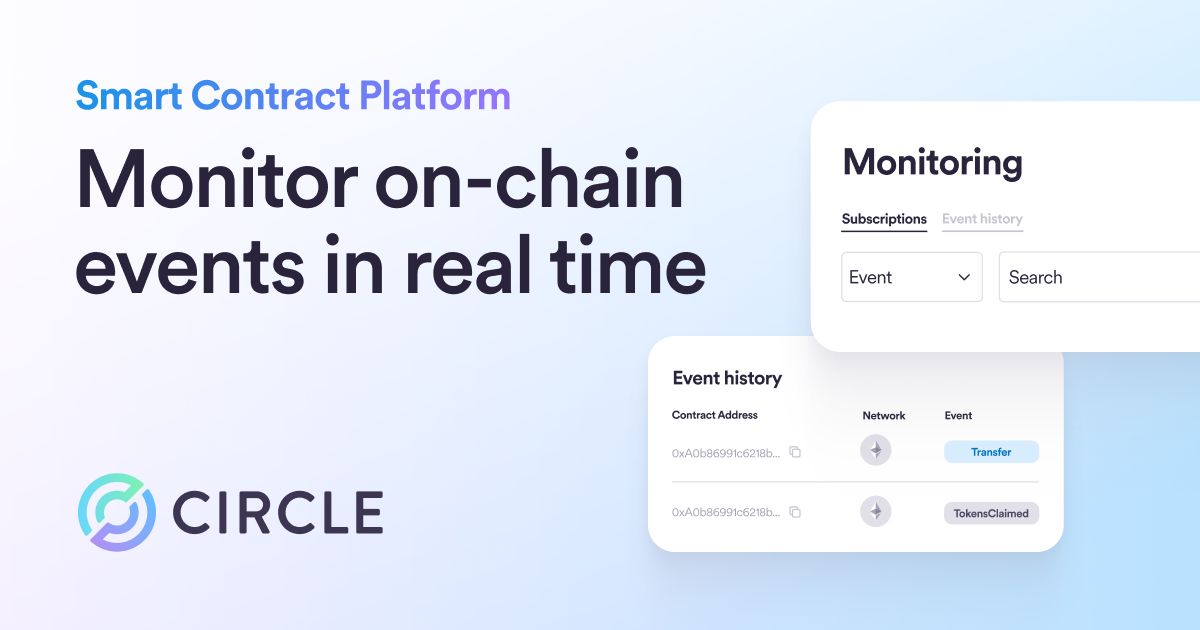
Start by identifying the specific events that matter. Not every transaction is a crisis. Focus on high-value actions like Transfer, Approval, or OwnershipTransfer. Use tools like OpenZeppelin Defender to index these events. By filtering for specific function signatures, you reduce noise and focus on what actually impacts your contract’s state.

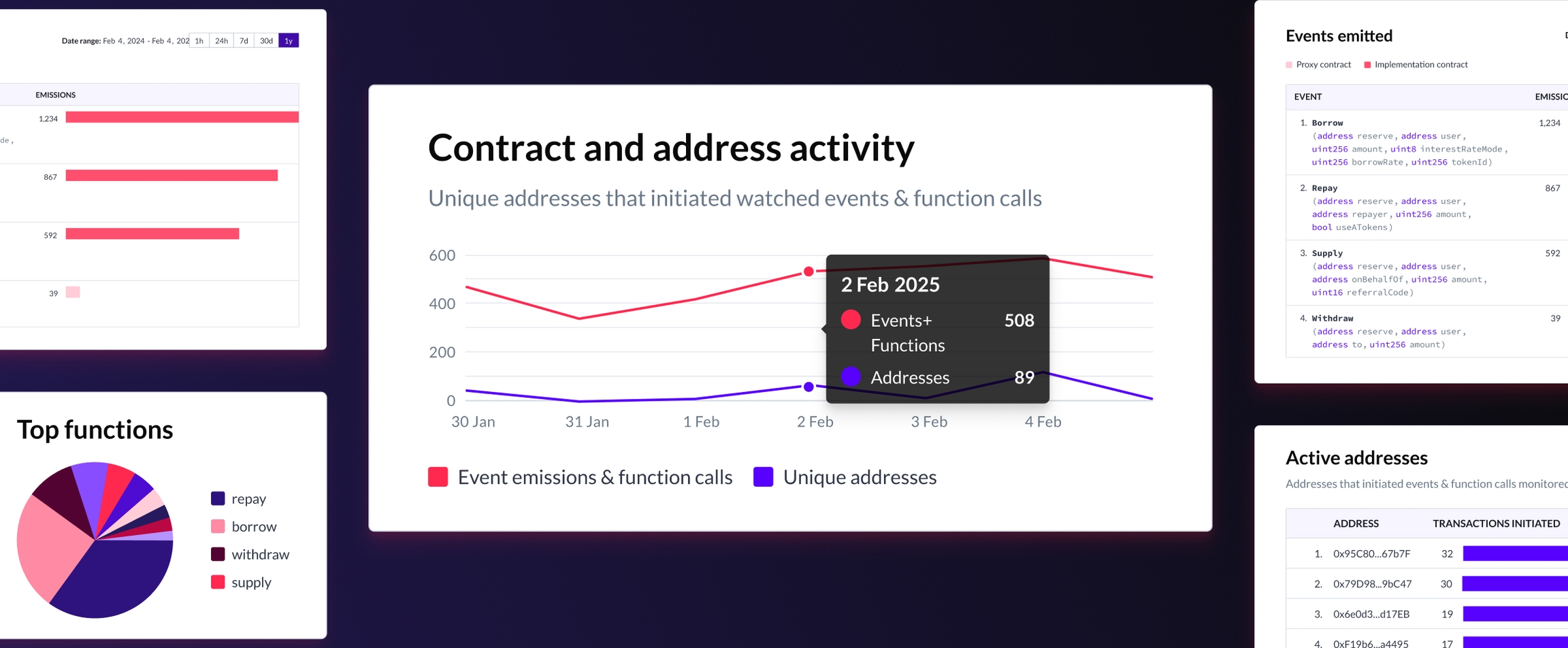
Define what constitutes an anomaly. Is a single large transfer suspicious? Or is it multiple transfers within a minute? Set thresholds for volume, frequency, and gas usage. For example, if your protocol typically sees 10 transactions per hour, alert on 50. This helps distinguish between legitimate market volatility and coordinated attacks.
Where do you want the alert? Email is reliable for logs, but Slack or Discord offers immediate visibility for your team. For critical exploits, consider SMS or a dedicated PagerDuty integration. The key is speed. If your team is asleep or away from their desks, ensure the alert reaches the right person instantly.

Before going live, simulate the anomalies you defined. Trigger false positives to ensure your alerts fire correctly. Verify that your notification channels are working and that the alert payload contains enough context (like transaction hashes and addresses) to investigate quickly. This step prevents alert fatigue and ensures you don’t miss real threats.
-
Identified all critical event signatures
-
Set volume and frequency thresholds
-
Configured Slack/Discord/Email notifications
-
Tested alert triggers with simulated transactions
-
Verified alert payload contains transaction hashes
Once configured, your monitoring system becomes a continuous safety net. It doesn’t replace audits, but it provides the real-time visibility needed to respond to threats as they happen. Regularly review your alert logs to refine thresholds and reduce false positives over time.
Connect contract health to market signals
Smart contracts do not exist in a vacuum. While on-chain event logs and indexing track code execution, market data provides the context that often reveals deeper issues. Price volatility and sudden shifts in trading volume are not just market noise; they are early warning signs that can trigger secondary monitoring checks on contract liquidity and stability.
When a token experiences rapid price swings, the underlying smart contract may be facing liquidity stress. A sharp drop in volume can indicate that automated market makers (AMMs) are running low on reserves, making the contract vulnerable to high slippage or failed transactions. By correlating these market metrics with on-chain activity, you can detect anomalies before they result in a full-scale exploit or user loss.
For example, a sudden spike in transaction volume alongside a price drop might signal a flash loan attack or a liquidity drain. Instead of waiting for the contract to fail, your monitoring tools should be configured to cross-reference these market events with on-chain state changes. This dual-layer approach ensures you are not just watching the code, but also watching the environment it operates in.
Visualize the correlation
Seeing price action alongside contract activity helps identify patterns that raw data might miss. The following chart illustrates how major DeFi protocol activity often spikes in tandem with market volatility, highlighting the importance of integrated monitoring.
Use live market widgets for context
To maintain a real-time perspective, integrate live market data directly into your monitoring dashboard. This allows you to see the current state of the asset alongside its contract health, providing a complete picture of risk.
Track technical trends
For a deeper dive into the asset's performance, technical charts can reveal trends that impact contract stability. Monitoring these trends helps you anticipate when market conditions might stress the contract's liquidity pools or governance mechanisms.
Common monitoring pitfalls to avoid
Even with robust tooling, teams often miss critical threats because of operational blind spots. The most frequent failure isn't a lack of data—it's misinterpreting it. When you rely solely on third-party dashboards without internal verification, you risk acting on stale or misindexed data. Always cross-reference automated alerts with raw event logs to confirm the state of your contract before responding.
Alert fatigue is another silent killer. If your monitoring setup fires hundreds of low-severity warnings daily, your team will eventually tune them out. This creates a vacuum where high-frequency, low-signal noise drowns out the rare but catastrophic events. Group alerts by severity and only escalate when a specific condition, like a sudden spike in gas usage or an unusual state change, is detected.
Finally, don't ignore the slow-burn attacks. While flash loan exploits grab headlines, many breaches happen gradually through small, repeated withdrawals that stay under individual alert thresholds. Monitor aggregate metrics over time, not just instant snapshots. A steady drip of funds might look normal in isolation but indicates a logic flaw in your contract's access control.
Helpful gear
Use these product recommendations as a starting point, then choose the size, material, and price point that fit how you actually use the gear.


As an Amazon Associate, we may earn from qualifying purchases.
No comments yet. Be the first to share your thoughts!