Why monitoring matters now
Smart contracts are immutable. Once deployed to the blockchain, the code cannot be changed, which makes post-deployment monitoring the primary defense layer. You cannot patch a vulnerability after the fact; you can only detect, respond, and mitigate. This permanence shifts the burden of security from the development phase to continuous operational oversight.
The stakes are exceptionally high. Unlike traditional software, where a bug might result in a hotfix or a rollback, a flaw in a smart contract can lead to immediate, irreversible loss of funds. Hacken.io notes that security must span five stages: design, development, testing, deployment, and post-deployment operations. While the first four stages are critical, they are not sufficient on their own. The blockchain is a hostile environment, and new attack vectors emerge daily.
Numen Cyber Technology emphasizes that smart contracts should be continuously monitored to detect and respond promptly to any suspicious activities or anomalies. This means watching for unusual transaction patterns, unexpected state changes, or attempts to exploit known vulnerabilities. Without this vigilance, even well-audited contracts remain exposed to runtime exploits.
This guide focuses on the tools, infrastructure, and strategies needed to maintain that vigilance. We will move beyond abstract theory and look at concrete solutions that security teams and developers use to protect their assets. Understanding the landscape of monitoring tools is essential for anyone serious about blockchain security.
Build a reliable monitoring foundation
Effective smart contract monitoring starts with the plumbing. You need a direct connection to the blockchain and a way to make sense of the data flowing through it. If your infrastructure is shaky, your alerts will be late or wrong, and in high-stakes finance, that gap is where losses happen.
Connect to a full archival node
You cannot monitor what you cannot see. Standard provider endpoints often prune old data to save space. For smart contract analysis, you need an archival node that retains the entire history of state changes. This is non-negotiable if you want to audit past transactions or replay events for debugging.
Running your own node gives you control over latency and data integrity. If that is too heavy, use a reputable provider like Infura or Alchemy, but ensure you are on their archival tier. Relying on free or basic tiers will leave you blind to historical context. Think of this as your eyes on the ground; if the view is blurry, you miss the threat.
Index events for fast retrieval
Scanning raw blocks for specific events is slow and expensive. Instead, use an event indexer like The Graph or Covalent to structure the data. These tools parse logs and store them in a queryable database, allowing you to filter by contract, address, or event signature instantly.
Focus on the event signatures you care about. Most security issues manifest as specific token transfers or ownership changes. By indexing only these critical events, you reduce noise and speed up your alerting logic. This optimization turns a haystack of data into a needle you can find in milliseconds. Smart Contract Security Field Guide recommends optimizing data redundancy here to ensure no critical log is lost during indexing.
Set up defensive monitors
Monitoring is not just about logging; it is about defense. As noted in academic research on transaction monitoring, monitors act as a defensive mechanism where developers write properties that must hold true during execution. If a property fails, the system should flag it immediately.
Start with simple checks: did the balance change unexpectedly? Did the owner address change without a valid transaction signature? These are your first line of defense. More advanced setups can include real-time anomaly detection, but start with the basics. If the basic properties break, you have a problem worth investigating.
Essential smart contract monitoring tools
Smart contract monitoring tools fall into three categories: alerting, analysis, and automation. Each serves a distinct function in your security stack.
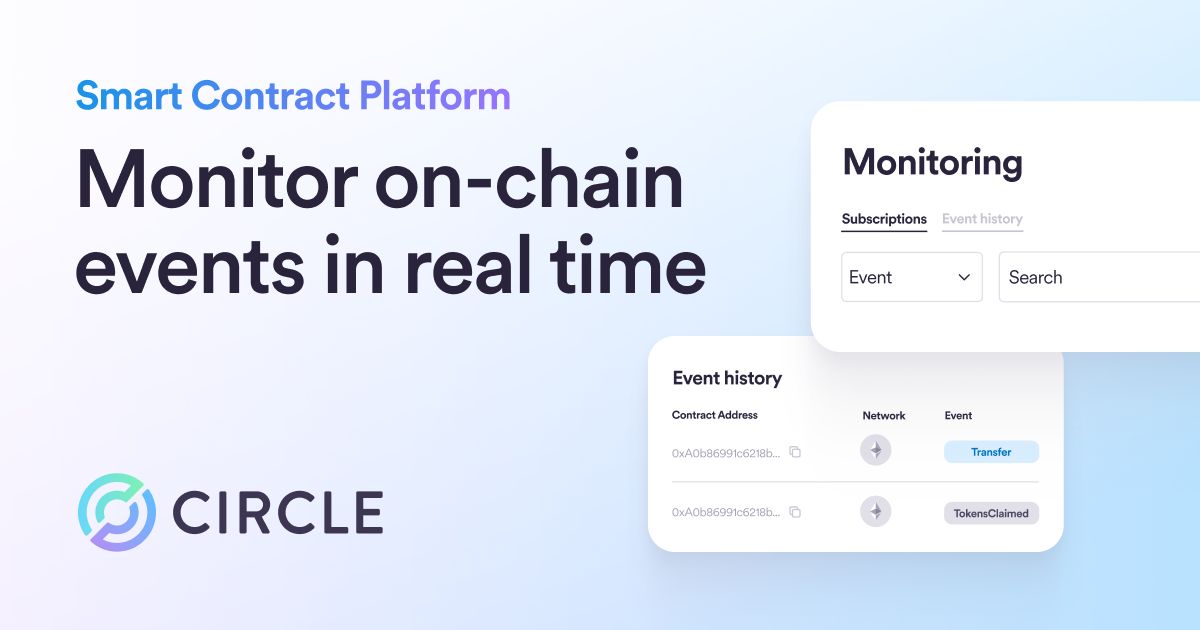
Alerting tools notify you of on-chain activity. OpenZeppelin Defender is a leading option. It monitors transactions and events across multiple chains. You can build custom monitor templates to track specific contract interactions. This helps you catch unusual activity before it becomes a crisis. OpenZeppelin Docs explain how to set up these monitors.
Analysis tools help you understand what happened. Tenderly offers real-time monitoring and debugging. It lets you trace transactions and inspect state changes. This visibility is crucial for identifying the root cause of a problem. You can see exactly where and why a transaction failed.
Automation tools execute actions based on conditions. Smart contract watch is an open-source option. It monitors contract activity and interactions based on generated transactions and events. You can set it up to trigger responses automatically. This reduces the time between detection and response.
| Tool | Cost | Chains | Alert Latency |
|---|---|---|---|
| OpenZeppelin Defender | Free tier available | Multi-chain | Near real-time |
| Tenderly | Freemium | Multi-chain | Real-time |
| Smart Contract Watch | Free (Open Source) | Configurable | Depends on setup |
Designing a monitoring strategy
Smart contracts are immutable once deployed, meaning you cannot patch them after the fact. This permanence makes post-deployment monitoring less of a luxury and more of a critical safety net. Effective monitoring isn't just about watching for hacks; it is about verifying that the contract behaves exactly as intended under real-world conditions. By combining runtime verification with structured alerting, you create a system that catches anomalies before they become irreversible losses.
The goal is to build a monitoring layer that acts like a digital immune system, identifying threats and deviations in real time. This requires a clear hierarchy of events, precise thresholds, and automated response workflows. Below is a step-by-step approach to configuring a monitoring strategy that balances coverage with signal-to-noise ratio.
Start by identifying the specific on-chain events that matter most to your contract's logic. These are your "event signatures"—the data points that indicate state changes, such as token transfers, ownership updates, or liquidity additions. Map these signatures to your contract's ABI (Application Binary Interface). Focusing on these high-signal events ensures your monitoring tool isn't overwhelmed by irrelevant noise. Prioritize events that trigger value movement or permission changes, as these are the most common attack vectors.
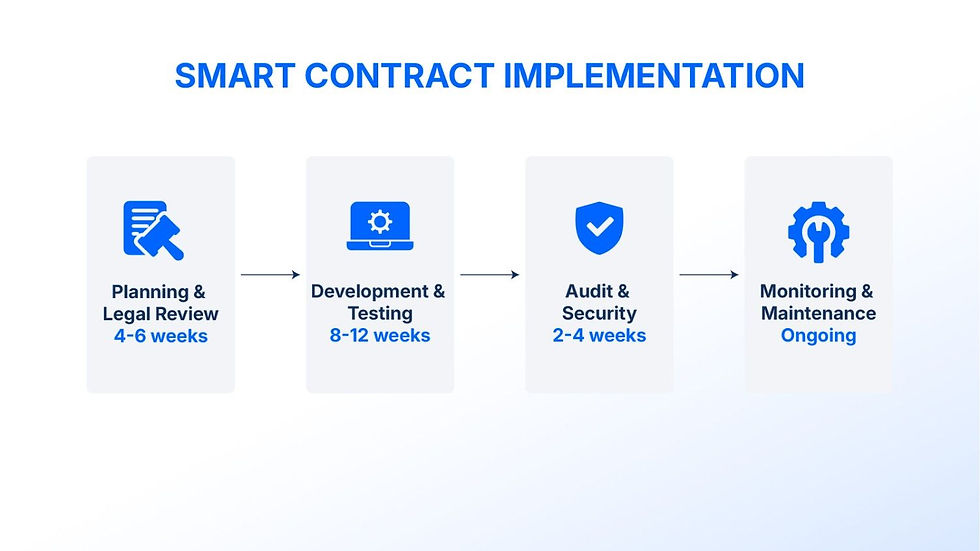
Static thresholds often fail because blockchain activity is volatile. Instead of setting a fixed dollar amount for alerts, use dynamic baselines that adjust to historical averages. For example, if a contract typically sees $100k in daily volume, an alert should trigger only when volume spikes to $500k or drops to near zero unexpectedly. This approach reduces false positives. Tools like Forta or Tenderly allow you to set relative thresholds (e.g., "2 standard deviations from the mean") to catch genuine anomalies without waking you up for normal market fluctuations.
Not all alerts are created equal. Create a tiered system that routes alerts based on severity. Critical events, such as a pause function being triggered or a large unauthorized transfer, should go to an immediate, high-urgency channel like PagerDuty or a dedicated Slack channel with @here mentions. Lower-severity warnings, like unusual gas usage or minor liquidity shifts, can be aggregated into a daily digest or a less intrusive Discord channel. This prevents alert fatigue, ensuring your team remains responsive when it truly matters.
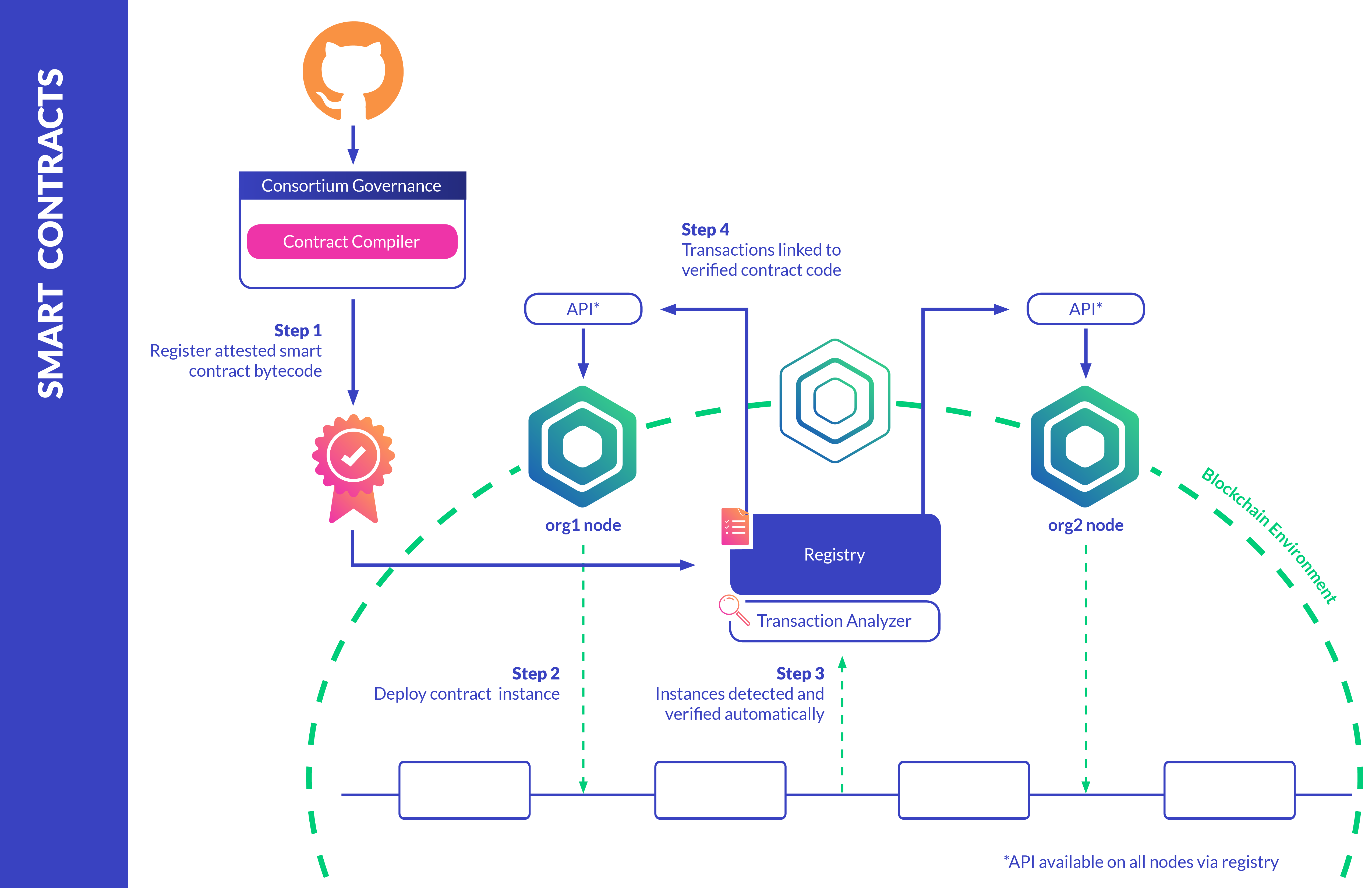
Monitoring is only effective if it leads to action. Define clear, automated responses for specific events. For instance, if a known malicious address interacts with your contract, an automated script can flag the transaction for review or even trigger a pause mechanism if your contract supports it. For non-critical issues, automate the creation of GitHub issues or Jira tickets for your dev team. This turns raw data into actionable tasks, reducing the time between detection and resolution.
By following these steps, you move from passive observation to active defense. This strategy doesn't just watch your contract; it understands its context and responds intelligently to threats.
Helpful gear
Use these product recommendations as a starting point, then choose the size, material, and price point that fit how you actually use the gear.


As an Amazon Associate, we may earn from qualifying purchases.
No comments yet. Be the first to share your thoughts!